
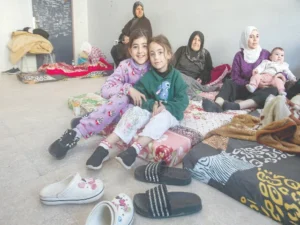
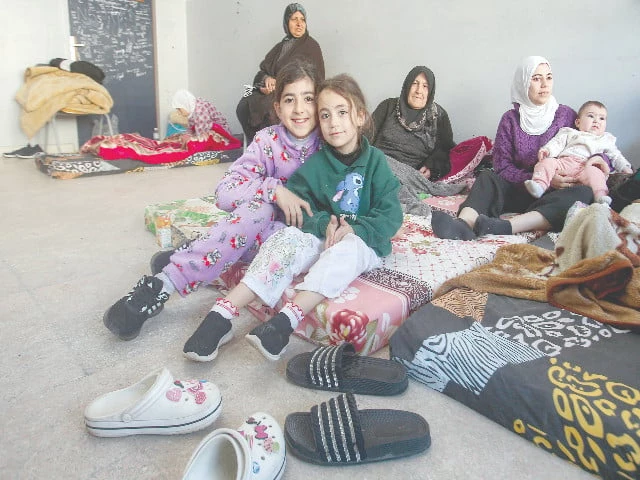
Geneva/Beirut: The rapid escalation of hostilities between Israel and Hezbollah has displaced at least 30,000 people inside Lebanon, who have sought refuge in government-run shelters, the UN refugee agency (UNHCR) reported on Tuesday.
The figure is expected to rise sharply as Israeli air strikes continue to pound southern Lebanon and Hezbollah fires rockets into Israel, marking the most intense cross-border violence since the 2006 war.
“Conservative estimates suggest that nearly 30,000 people were hosted and registered at collective shelters,” said Babar Baloch, spokesperson for UNHCR.
“Many more slept in their cars on the side of roads or were still stuck in traffic jams,” he added, painting a picture of chaos and desperation along evacuation routes.
Shelters Overwhelmed
The Lebanese government has so far opened 21 shelters to accommodate the displaced, according to the UN World Food Programme (WFP) . However, with the conflict showing no signs of de-escalation, humanitarian agencies are bracing for a much larger wave of internal displacement.
The fighting erupted after Hezbollah launched rockets at Israel late Sunday, claiming retaliation for the US-Israeli strikes that killed Iranian Supreme Leader Ayatollah Ali Khamenei. Israel responded with massive air strikes across Lebanon, targeting Hezbollah infrastructure, commanders, and weapons depots.
Syrian Refugees Caught in the Crossfire
The crisis is further complicated by Lebanon’s pre-existing refugee burden. The country already hosts approximately 1.5 million Syrian refugees alongside a Lebanese population of just 4 million, giving it the highest concentration of refugees per capita in the world.
The UNHCR noted an increase in the number of Syrian refugees moving from Lebanon back into Syria, despite the ongoing instability in their home country.
“We are putting a contingency plan in place in case of possible further influx,” a UNHCR official stated, indicating concern that the current displacement could trigger a new regional refugee crisis.
Regional Context
The displacement in Lebanon is the latest humanitarian consequence of a conflict that began with the assassination of Khamenei in Tehran and has rapidly spread to multiple fronts. Over 6 million Syrians originally fled their country after the 2011 conflict began, with most seeking safety in Turkey, Lebanon, and Jordan. That fragile population is now once again on the move.