

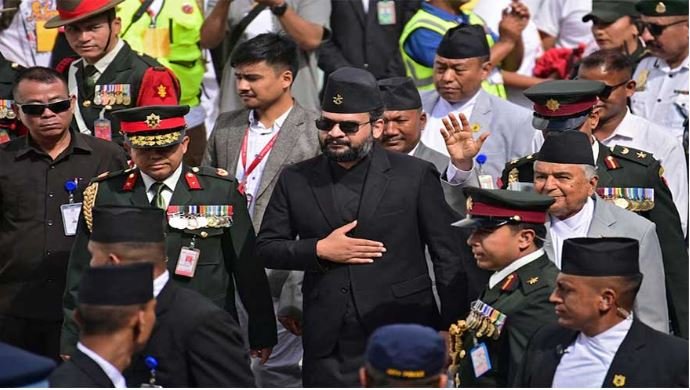
KATHMANDU: Two popular figures in Nepalese politics, rapper-turned-mayor Balendra Shah, known as Balen, and Rastriya Swatantra Party (RSP) leader Rabi Lamichhane, have joined forces ahead of the March 5 parliamentary elections, aiming to challenge the traditional parties that have dominated Nepal for over three decades.
Under the agreement, 35-year-old Balen will become prime minister if the RSP wins the elections, while 48-year-old Lamichhane will continue as party chief. Both leaders have pledged to address the demands raised during the youth-led “Gen Z” protests in September, which were sparked by widespread corruption and resulted in 77 deaths, eventually leading to Prime Minister K.P. Sharma Oli’s resignation.
Analyst Bipin Adhikari called the move “smart and strategic,” noting that traditional parties fear losing young voters to the RSP. Nepal’s election commission reports that nearly 19 million of the country’s 30 million citizens are eligible to vote, with almost one million new voters added after the protests, mostly youths.
Balen gained prominence as an informal leader during the protests and played a role in forming the interim government of former Chief Justice Sushila Karki to oversee the elections. However, some critics say he remained largely absent from public rallies, communicating mainly via social media.
The RSP, formed by Lamichhane ahead of the 2022 elections, is known for its anti-corruption stance. Lamichhane is currently out on bail in a case related to alleged misuse of cooperative funds.
Despite the new alliance, traditional parties like the Communist Party of Nepal (UML) and the centrist Nepali Congress — which have shared power for decades — remain dominant. Nepali Congress spokesperson Prakash Sharan Mahat described Balen and Lamichhane as “controversial” leaders and expressed doubt that their alliance would significantly impact the election outcome.