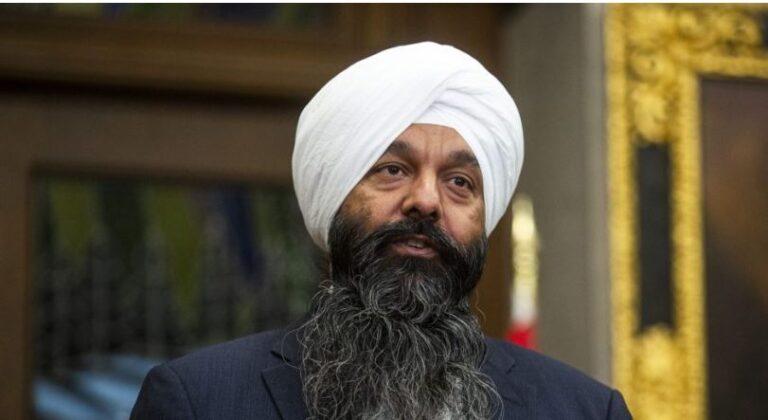

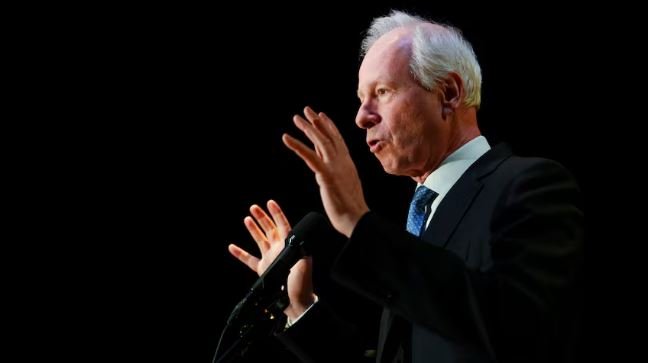
Former federal Liberal leader and cabinet minister Stéphane Dion has strongly criticized the growing separatist movement in Alberta, calling on Premier Danielle Smith to clearly state her position and explain the possible next steps if an independence referendum were to take place.
Speaking in an interview on Rosemary Barton Live, Dion said he has “no patience for separatist blackmail” and warned that lowering the threshold for triggering a referendum could seriously threaten national unity. Dion, who served as intergovernmental affairs minister under former prime minister Jean Chrétien and authored the Clarity Act following Quebec’s 1995 referendum, described Alberta’s recent move as “irresponsible.”
The Alberta government recently reduced the number of signatures required to force a provincial referendum from about 600,000 to roughly 180,000, a change welcomed by separatist organizers. Dion questioned the decision, arguing that if Premier Smith truly opposes separation, she should explain why her government made it easier for such a vote to occur.
Premier Danielle Smith has repeatedly stated that she does not support Alberta leaving Canada, instead promoting the idea of a “sovereign Alberta within a united Canada.” However, Dion said this position lacks clarity and urged the premier to explicitly confirm her commitment to Canada.
Dion also raised concerns about what would happen if a referendum were successful, asking who would lead negotiations on Alberta’s behalf. He questioned whether Smith herself could credibly lead talks for a cause she claims not to support.
The former Liberal leader also criticized separatist movements more broadly, including in Quebec, saying they divert energy away from constructive efforts to improve provinces and the country as a whole. He warned Alberta against following what he described as a “sad example.”
The debate over Alberta separatism continues to draw national attention as Canadians weigh the implications for the country’s unity.