


KYIV: Earlier this winter, Ali’s unit was flying an interceptor drone in subzero temperatures on the front when the camera suddenly froze, sabotaging their mission to detect and thwart an incoming Russian attack.
Temperatures across the 1,200-kilometer (745-mile) front line have plunged to their lowest of the entire four-year Russia-Ukraine war, complicating the use of battery-powered drones, central to both sides’ military tactics.
“The impact on our drones is completely negative,” said Ali, who asked AFP to identify him by his call sign, in line with military protocol.
“Batteries lose charge faster, the cameras and wires freeze, they just ice up.”
Both Russia’s and Ukraine’s army have come to use cheap drones ubiquitously.
Small reconnaissance craft scope out enemy positions and can drop grenades on targets and soldiers, detecting even the smallest movement on the ground below, while others are packed with explosives and designed to slam into vehicles and buildings.
Some drones are now connected to their operators with an extremely thin fiber-optic cable, ensuring the connection to the pilot remains stable and immune to electronic jamming.
Interceptor drones, like the kind Ali’s unit was flying, are used for defense — a kind of drone-on-drone aerial warfare to hobble incoming attacks.
But as temperatures have hit -20C on the front, both the equipment and men operating the devices freeze up.
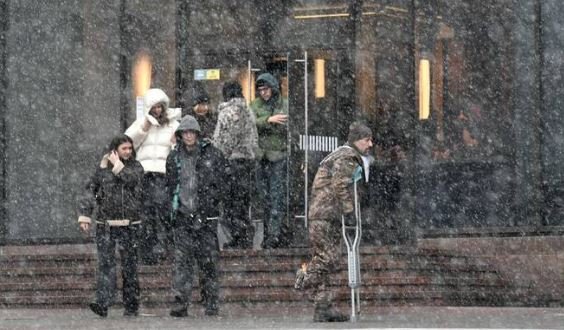
Bitter cold complicates Ukraine’s drone defense
You May Also Like

More From Author



Nigerian Muslims look to Ramadan for peace after US strikes