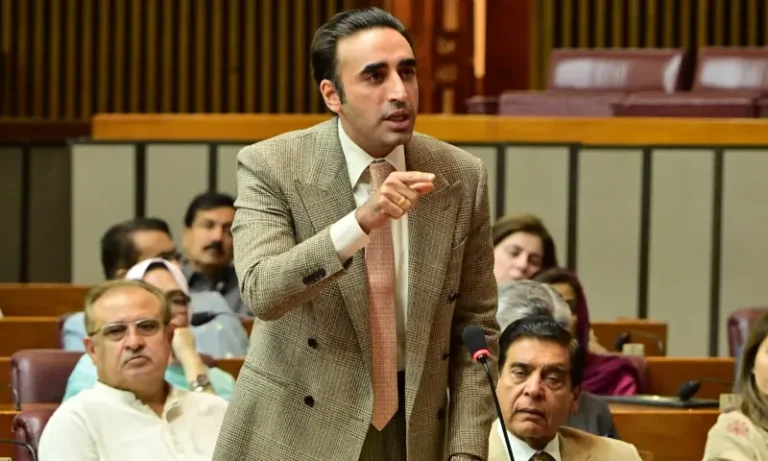

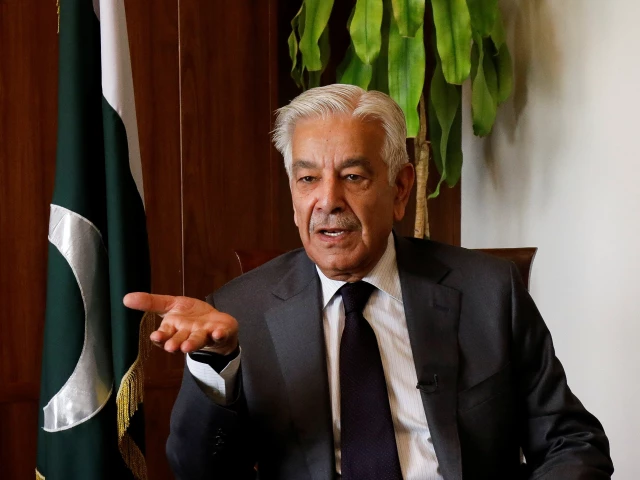
Defence Minister Khawaja Muhammad Asif warns that the widening Iran conflict, driven by a “Zionist agenda,” risks creating a hostile regional alignment involving Afghanistan, India, and Israel, threatening Pakistan’s security and sovereignty.
Islamabad: Defence Minister Khawaja Muhammad Asif has issued a stark warning that the escalating conflict involving Iran could trigger a dangerous regional realignment, potentially creating a hostile “nexus” between the Taliban-led Afghanistan, India, and Israel that would leave Pakistan strategically encircled.
In a strongly worded statement posted on X (formerly Twitter), Asif framed the ongoing war not merely as a bilateral conflict but as part of a broader “Zionist agenda” aimed at redrawing the regional map at the expense of Islamic states.
“Zionism is a threat to humanity. From the establishment of Israel on the land of Palestine until today, every catastrophe that has befallen the Islamic world, every war imposed upon it, will show the direct or indirect hand of Zionist ideology and the state,” Asif wrote.
The ‘Triple Nexus’ Threat
The Defence Minister argued that the ultimate objective of the current conflict is to push Israeli influence closer to Pakistan’s western borders. This, he warned, could lead to a strategic nightmare for Islamabad: a coordinated alignment of adversaries.
Such a development, he said, could create a hostile alignment involving Afghanistan, Iran, and India, leaving Pakistan surrounded by adversaries and placing its security under unprecedented threat. He warned that this realignment would make Pakistan’s borders insecure and risk reducing the country to a “vassal state.”
Asif’s remarks come amid a rapidly widening conflict. US and Israeli strikes have intensified on Iranian soil, with reports indicating the Natanz nuclear facility has been hit. In retaliation, Iran has launched missiles toward Israeli targets, while Israel has carried out strikes in Beirut against Hezbollah-linked sites.
A Call for National Unity
Asif urged Pakistanis across the political and religious spectrum to recognize what he described as a wider conspiracy against the country. He emphasized that the threat transcends partisan politics and requires a unified national response.
In his message, the minister paid tribute to Pakistan’s armed forces, martyrs, and veterans. He also commended former prime minister Nawaz Sharif for his decision to authorize the 1998 nuclear tests, which he described as the ultimate guarantor of Pakistan’s security in the face of such existential threats.
“May Palestine be free. May our homeland remain strong and safe until the Day of Judgment,” he concluded.
The Broader Conflict
The Defence Minister’s warning reflects growing concern in Islamabad over the spillover effects of the US-Iran/Israel conflict.
- Regional Fallout: Gulf states, including Saudi Arabia, the UAE, and Qatar, have condemned Iranian attacks, while shipping traffic in the Gulf has been disrupted and major airports have faced closures.
- Humanitarian Impact: Hundreds of Pakistanis are streaming home from Iran as the conflict forces evacuations.
- Global Pressure: In the United States, polling suggests limited public backing for a prolonged military campaign, even as President Donald Trump vows that a “big wave” of attacks on Iran is still to come.