

The State Bank of Pakistan’s MPC has held the policy rate steady at 10.5%, citing uncertainty from the widening Middle East conflict and volatile oil prices. The decision aligns with market expectations.
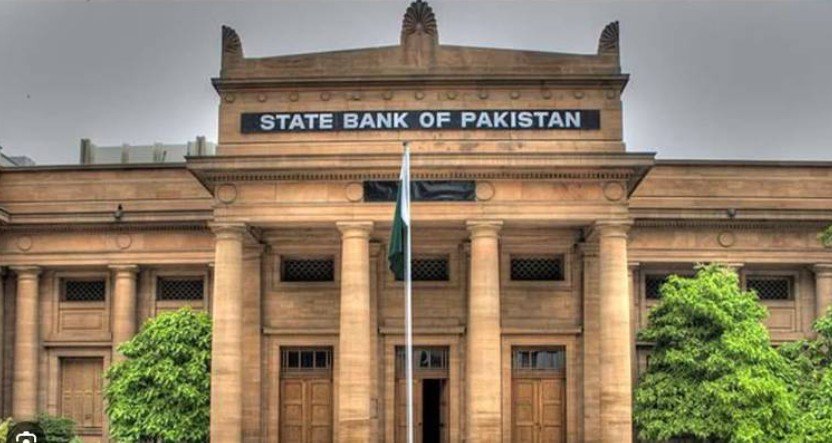
Karachi – The Monetary Policy Committee (MPC) of the State Bank of Pakistan (SBP) has decided to keep the policy rate unchanged at 10.5 percent, the central bank announced on Monday following a meeting in Karachi.
The decision to hold the benchmark rate comes against a backdrop of extreme global economic uncertainty. The widening conflict in the Middle East has sent oil prices soaring and disrupted supply chains, creating fresh concerns about inflationary pressures that could spill over into the Pakistani economy.
A Cautious Pause
According to the SBP, the current geopolitical tensions and fluctuating oil prices have created an environment that limits the potential for further monetary easing at this time. The committee opted for a status quo to assess the evolving impact of the regional crisis on the domestic economy.
The development was largely in line with market expectations. Analysts had predicted the SBP would maintain the current rate, as the surge in energy prices raises fears of a new wave of inflation, complicating the central bank’s efforts to balance growth with price stability.
Historical Context
The decision to hold follows a significant easing cycle. The SBP reduced the benchmark rate by a cumulative 11.5 percentage points since mid-2024, bringing it down from a record high of 22%. The January 2026 meeting also saw the rate held at 10.5%.
The central bank’s next moves will likely be highly dependent on the trajectory of the Middle East conflict and its impact on global commodity prices and Pakistan’s import bill.