



Peshawar: In a significant legal development surrounding one of Pakistan’s most harrowing terrorist attacks, an Anti-Terrorism Court (ATC) in Peshawar has acquitted two suspects for lack of evidence in the 2014 Army Public School (APS) massacre case.
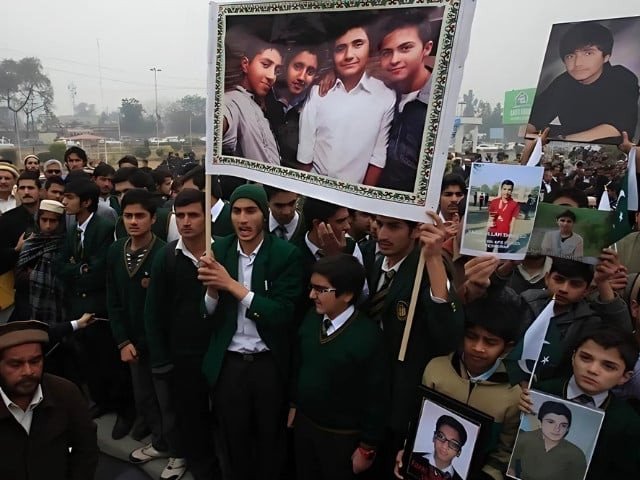
The court, presided over by Judge Asad Ali, heard the long-pending case involving the brutal December 16, 2014, assault when armed terrorists from the Tehrik-i-Taliban Pakistan (TTP) stormed the Army Public School. The attack resulted in the martyrdom of over 150 individuals, the majority of whom were school children, with approximately 250 others injured.
Prosecution Fails to Provide Evidence
During the proceedings, prosecutors informed the court that the Counter-Terrorism Department (CTD) had nominated Shakil and Jan Wali as suspects following investigations and had submitted a charge sheet against them.
However, the defense counsel contended that their clients had no involvement in the incident. They argued that the prosecution had failed to present sufficient evidence or produce witnesses against the accused during the trial.
Invoking Section 265-K of the Code of Criminal Procedure (CrPC) , the defense moved for acquittal, asserting that no credible proof linked the suspects to the crime. After hearing complete arguments from both sides, the court accepted the plea and discharged Shakil and Jan Wali from the case.
16 Terrorist Commanders Declared Fugitives
In a parallel ruling, the court declared 16 other nominated terrorists as fugitives (absconders) and issued perpetual arrest warrants against them. The list includes prominent militant figures, many of whom are believed to be either dead or hiding in Afghanistan:
- Mangal Bagh
- Haji Gul Bahadur
- Commander Umar Khalid Khurasani
- Commander Hafiz Saeed
- Commander Aurangzeb
- Commander Fazlullah
- Hafiz Daulat
- Qari Shakil
- Qari Saifullah
- Islam Farooqi
- Maulvi Faqir
- Ajnabi
- Angara Apaji
- Abu Zar
- Sarwar Shah
A Long Road to Justice
The ruling comes as part of the long-running legal proceedings related to the APS attack, which remains one of the deadliest terrorist incidents in Pakistan’s history. A judicial inquiry into the incident was previously conducted on the directives of the Supreme Court, but securing convictions has proven challenging due to the cross-border nature of the militant networks involved.
The acquittal of the two suspects highlights the difficulties in prosecuting terrorism cases when evidence chains are weak or witnesses are unavailable, a recurring issue in Pakistan’s counter-terrorism legal framework.