


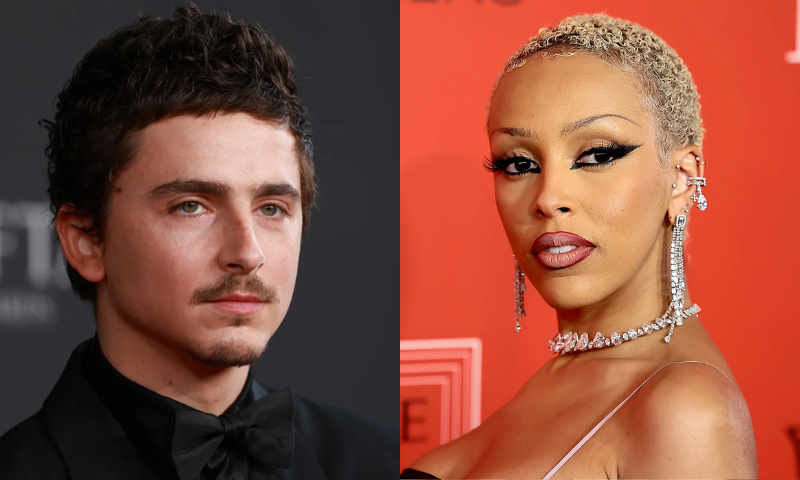
Los Angeles – Doja Cat has entered the fray of a growing online debate, defending the cultural significance of opera and ballet after comments made by actor Timothée Chalamet questioning their relevance sparked widespread discussion.
The Grammy-winning rapper addressed the issue in a video posted to her TikTok account, where she has over 27 million followers. Her response comes after remarks Chalamet made during a town hall event organized by Variety and CNN went viral.
What Chalamet Said
During the event, Chalamet, who is promoting his film Marty Supreme, spoke about the challenges of maintaining interest in traditional performing arts.
“I don’t want to be working in ballet or opera where it’s like, ‘Hey, keep this thing alive, even though no one cares about this anymore,'” he stated. He later added, “all respect to the ballet and opera people out there. I just lost 14 cents in viewership.”
The comments were quickly circulated on social media and drew reactions from several public figures.
Doja Cat’s Response
In her video, Doja Cat offered a respectful but firm rebuttal, emphasizing the deep history and cultural weight of the art forms.
“By the way, opera is 400 years old and ballet is 500 years old,” she began. “Some guy named Timothée Chalamet, great guy by the way, had the audacity to tell the cameras that nobody cares about that [opera and ballet].”
She painted a contrasting picture of the modern experience. “I’m pretty sure that if you went to an opera house right now, it would be packed, and everyone would be silent while the performance is happening, because they have so much respect for it. […] It’s something very beautiful!”
A Broader Cultural Conversation
Doja Cat is not alone in her defense. Songwriter Diane Warren commented on the discussion on X, while actress Jamie Lee Curtis shared a video on social media of someone criticizing Chalamet’s statement.
The National Board of Review also joined the conversation, posting a video celebrating films that feature opera and ballet. The debate has even permeated popular comedy, being referenced in a recent segment on Saturday Night Live.
The discussion highlights a generational and cultural tension between the enduring value of classical art forms and the shifting interests of modern audiences.