



Middle East on the Brink: Iran Strikes US Bases in Gulf, Israel Expands Offensive as Conflict Escalates
Wider War: Iran launches retaliatory drone and missile strikes against US military assets in Kuwait and a UK base in Cyprus, expanding the conflict’s geographic reach.
Heavy Casualties: At least 555 people have been killed in Iran since the US-Israeli campaign began, according to the Iranian Red Crescent. The Pentagon confirms the first American combat deaths.
Infrastructure Hit: Critical energy infrastructure is targeted, including a Saudi oil refinery, sending shockwaves through global markets.
Regional Fallout: Israel bombs Beirut, Gulf cities report explosions, and the UAE shuts its Tehran embassy as diplomatic ties fray.
The United States and Israel have widened their military campaign against Iran, triggering a wave of retaliatory strikes across the Middle East that has now drawn in US bases in the Gulf and a British facility in Cyprus. The conflict, which erupted following the assassination of Iran’s Supreme Leader, threatens to plunge the region into an all-out war.
President Donald Trump has vowed to “avenge” the first American deaths since the operation began, warning Iranian forces of “certain death” if they do not stand down. The Pentagon confirmed that three US service members were killed and five seriously wounded in what the military has dubbed Operation Epic Fury.
“We have tremendous amounts of ammunition,” Trump told the New York Times, stating that the current pace of attacks could be sustained for weeks. He urged Iranian security forces to lay down their arms in exchange for immunity, adding, “It will be certain death… It won’t be pretty.”
Iran Strikes Back: Gulf Bases and Key Infrastructure Hit
Iranian forces have launched a sustained, multi-front retaliation across the region, moving beyond direct confrontation with Israel to target strategic Western assets in the Gulf.
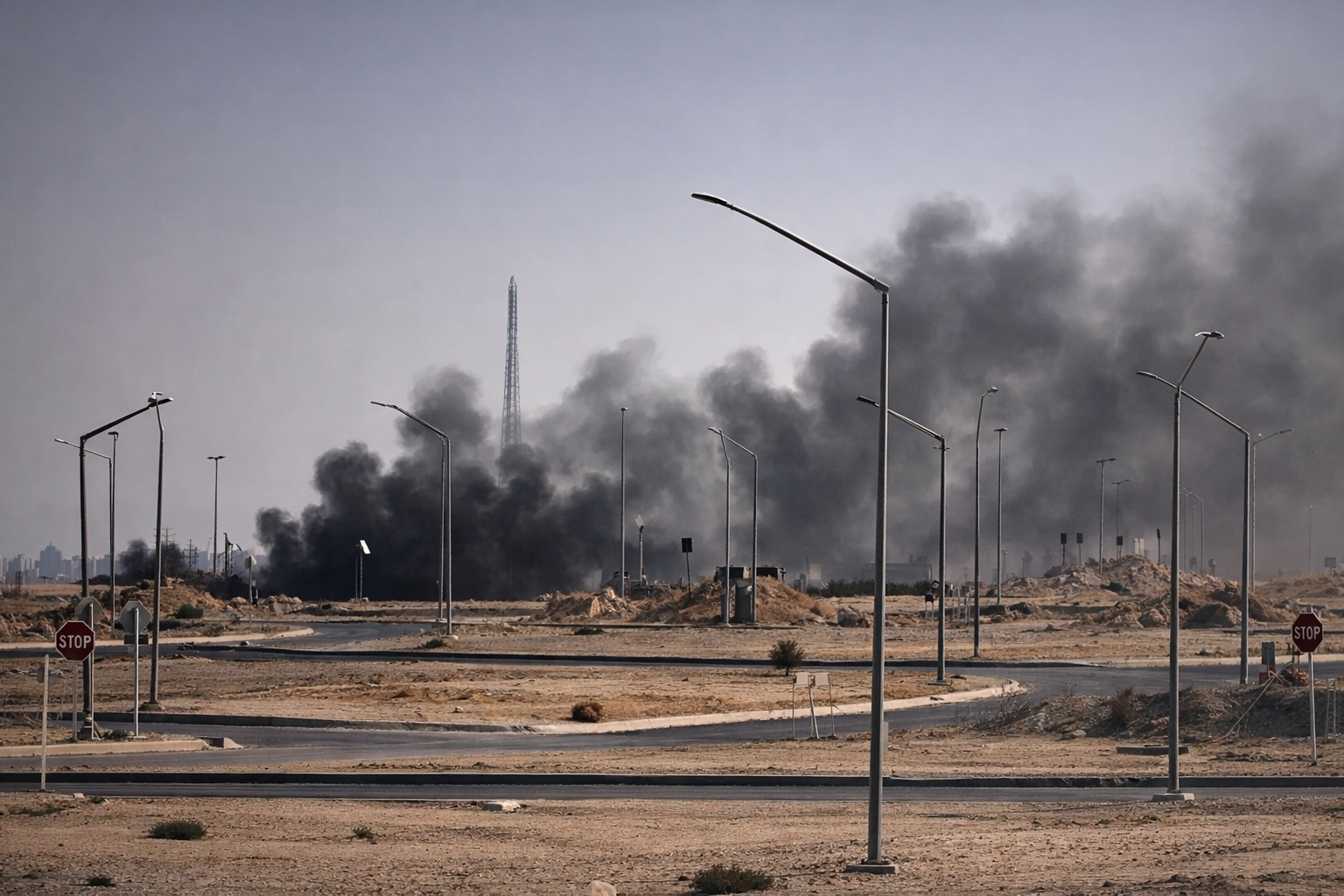
- US Embassy Attacked in Kuwait: An Iranian missile struck the US embassy compound in Kuwait City, sending plumes of black smoke into the air. While the embassy did not immediately confirm the hit, it issued an urgent security alert telling citizens to avoid the area.
- US Warplanes Destroyed in Kuwait: The Kuwaiti Defence Ministry confirmed that “several US warplanes crashed” at a military base early Monday morning. All crew members survived and are in stable condition. The cause is under investigation amid the ongoing missile barrage.
- UK Base in Cyprus Damaged: In a significant escalation, an Iranian Shahed drone struck the runway of the UK’s Royal Air Force base in Akrotiri, Cyprus. Cypriot President Nikos Christodoulides confirmed the attack caused “minor material damage.” The European Union immediately voiced solidarity with its member state, as the UK had previously authorized the US to use the base for “defensive” strikes.
- Saudi Oil Refinery on Fire: A drone attack targeted the massive Ras Tanura oil refinery on Saudi Arabia’s Gulf coast, sparking a fire that was later extinguished. The facility is one of the largest in the Middle East, with a capacity of 550,000 barrels per day, highlighting the vulnerability of global energy supplies.
The Toll of War: Casualties Mount
The human cost of the conflict is rising rapidly on multiple fronts.
The Iranian Red Crescent reported that at least 555 people have been killed across 131 cities in Iran since the start of the US and Israeli strikes.
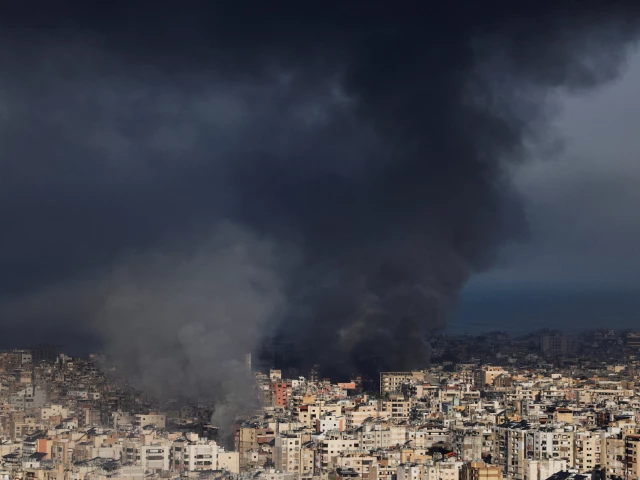
In Lebanon, the health ministry reported that 31 people were killed and 149 wounded in Israeli strikes on Beirut’s southern suburbs and southern Lebanon. The Israeli military said it was carrying out “large-scale strikes” against Hezbollah, which has vowed revenge for the death of Khamenei.
In the Gulf, civilian infrastructure has been repeatedly hit. A foreign worker was killed in Bahrain by debris from an intercepted missile, bringing the total number of civilian deaths in the Gulf states to five. Jordan reported five injuries and damage to homes from falling debris.
Diplomatic Fallout and Global Reaction
The expanding conflict is reshaping diplomatic alliances and triggering urgent international responses.
The United Arab Emirates announced it was closing its embassy in Tehran and recalling its ambassador, marking the strongest condemnation yet from a Gulf state. This move comes after a thaw in relations in 2022 and signals the deep unease among Gulf monarchies.
In a televised address, Ali Larijani, the powerful head of Tehran’s Supreme National Security Council, flatly rejected any prospect of dialogue, stating, “Iran will not negotiate with the United States. ” He accused President Trump of plunging the region into chaos with “delusional fantasies.”
The Gulf Cooperation Council (GCC) convened an emergency meeting, with foreign ministers warning they would “take all necessary measures to defend their security and stability… including the option of responding to the aggression.”
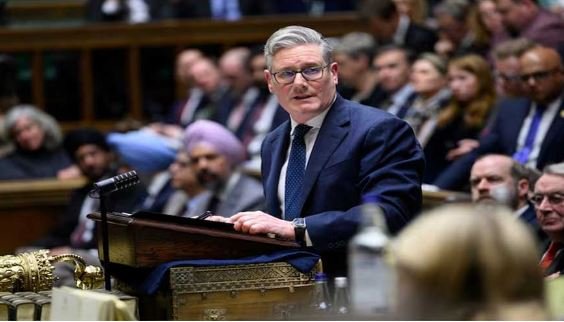
Meanwhile, world leaders reacted with caution. British Prime Minister Keir Starmer reiterated that while the UK would support the “collective self-defence” of its allies and allow use of its bases, “we will not join offensive action now.”