

Tehran/Beirut/Doha – A war that began with US-Israeli strikes on Iran six days ago has spiraled into a multi-front regional conflagration, with Tehran now targeting Kurdish guerrilla groups in Iraq and Israel pounding the Iranian capital, as the conflict draws in nations far beyond the Middle East.
Iran Hits Kurdish Groups in Iraq
Iran announced Thursday it had struck Iraq-based Kurdish groups, killing at least one member of an exiled Iranian Kurdish organization, according to a representative. The strikes follow reports that the United States is seeking to arm Iranian Kurdish guerrillas to infiltrate Iran from Iraqi territory.
Ali Larijani, secretary of Iran’s Supreme National Security Council, issued a stark warning: “Separatist groups should not think that a breeze has blown and try to take action. We will not tolerate them in any way.”
The strikes underscore how the war is rapidly expanding its geographic and political scope, drawing in Iraq’s semi-autonomous Kurdish region and threatening to open yet another front.
Israel Pounds Tehran
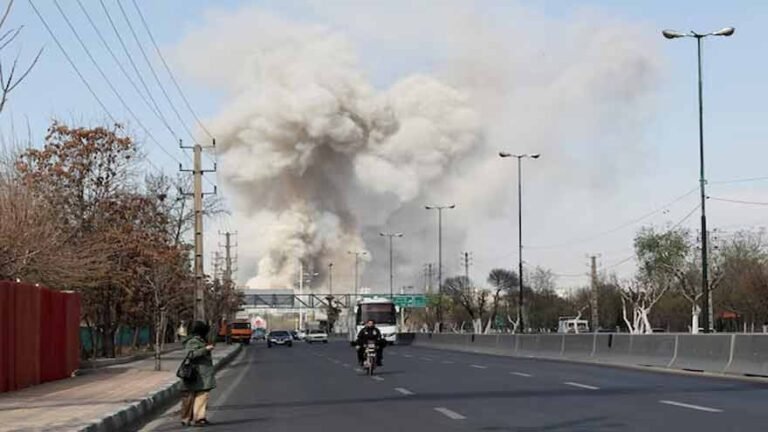
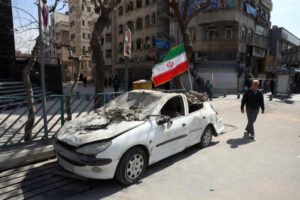
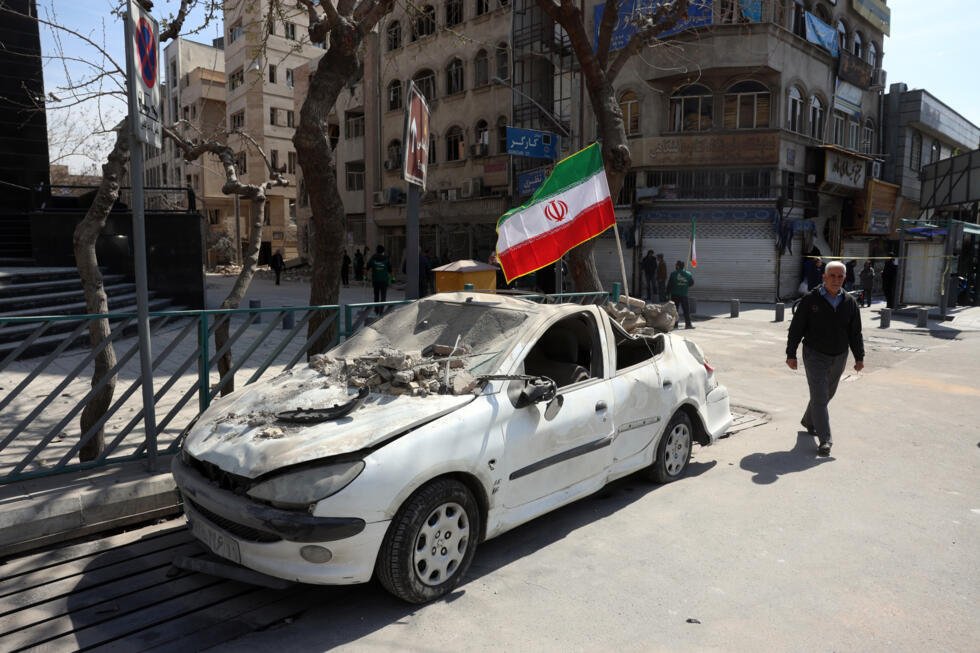
AFP reporters in Tehran heard fighter jets screaming across the western skies and multiple explosions as Israel launched a fresh barrage. The strikes come as Israel prepares to enter the second phase of its campaign, targeting underground ballistic missile sites.
Across the region, the conflict continues to escalate:
- Lebanon: AFPTV images showed buildings in rubble and plumes of black smoke drifting over Beirut after Israeli strikes on Hezbollah targets. Lebanese authorities reported at least 72 killed, 437 wounded, and 83,000 displaced since Monday.
- Hezbollah Vows Fight: Leader Naim Qassem declared in his first speech since the fighting erupted: “We are facing aggression… our choice is to confront it until the ultimate sacrifice, and we will not surrender.”
- Hamas Official Killed: A pre-dawn Israeli drone strike hit an apartment in the Beddawi Palestinian refugee camp near Tripoli, killing senior Hamas official Wassim Atallah al-Ali and his wife.
Global Powers Drawn In
The conflict is increasingly pulling in nations beyond the immediate region:
- Turkey (NATO): A missile launched from Iran was destroyed by NATO air defenses as it headed toward Turkish airspace. Ankara summoned the Iranian ambassador over the incident, though a Turkish official suggested the missile appeared aimed at a British base in Cyprus.
- Sri Lanka: The war reached the Indian Ocean island nation’s coast when a US submarine sank an Iranian warship—Washington’s first torpedoing of a vessel since World War II. The strike killed at least 87 people, with 61 missing, according to Sri Lankan officials.
- Australia & Canada: Australia deployed two military aircraft to the theater, while Canadian Prime Minister Mark Carney said he could not rule out his armed forces taking part in hostilities.
The Human Toll
Iran’s official IRNA news agency reported that 1,045 military personnel and civilians have been killed since the war began—a toll AFP could not independently verify. The country is effectively cut off from the rest of the world, with internet operating at around one percent of capacity, according to the Netblocks monitor.
In Gulf states, 13 people—seven of them civilians—have been killed since the war began, including an 11-year-old girl in Kuwait.
Economic Catastrophe
The war has paralyzed global shipping and energy markets:
- Strait of Hormuz: Iran’s elite Revolutionary Guards have claimed closure of the chokepoint through which one-fifth of the world’s crude oil flows. Oil tanker transits are down 90 percent, according to market intelligence firm Kpler.
- Tanker Hit: A vessel off Kuwait was struck by a “large explosion,” causing an oil spill, the British maritime security agency UKMTO reported. Iranian state TV claimed Iran hit a US oil tanker in the Gulf.
- Market Chaos: South Korea activated a $68 billion market stabilization fund. China reportedly told oil refiners to stop exporting diesel and gasoline.
- Tourism Devastated: “My last group of tourists left three days ago, and all the other groups planned for March have been cancelled,” said Nazih Rawashdeh, a tour guide in northern Jordan. “This is the start of the high season here. It’s catastrophic.”
Washington: Senate Rejects War Limits
In Washington, the US Senate rejected a resolution aimed at limiting US military action, voting largely along party lines with Republicans backing President Trump. Even if the measure had cleared both chambers, Trump would have retained veto power.
IMF Warning
Kristalina Georgieva, head of the International Monetary Fund, warned that the war could usher in a “prolonged period of flux” for the global economy.
What’s Next
As the conflict enters its second week, the key question remains whether it can be contained or will continue to spiral, drawing in more actors and causing ever-greater destruction and economic dislocation.