

Islamabad – Pakistan has formally expressed concern over the landmark long-term uranium supply agreement between Canada and India, warning that the deal could destabilize the strategic balance in South Asia by enabling New Delhi to expand its nuclear arsenal.
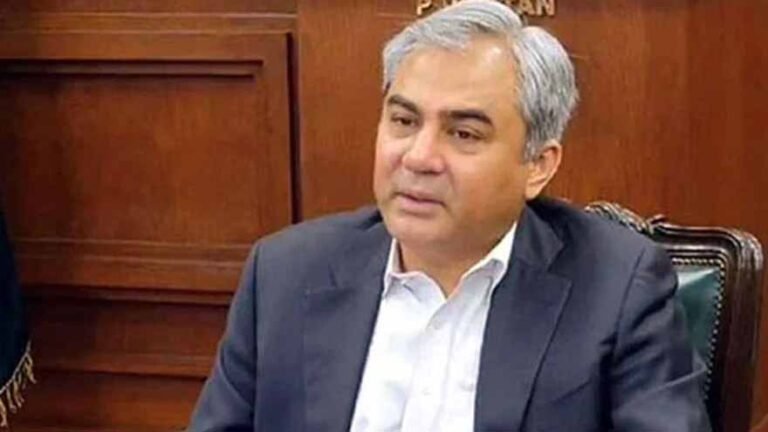
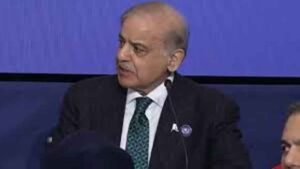
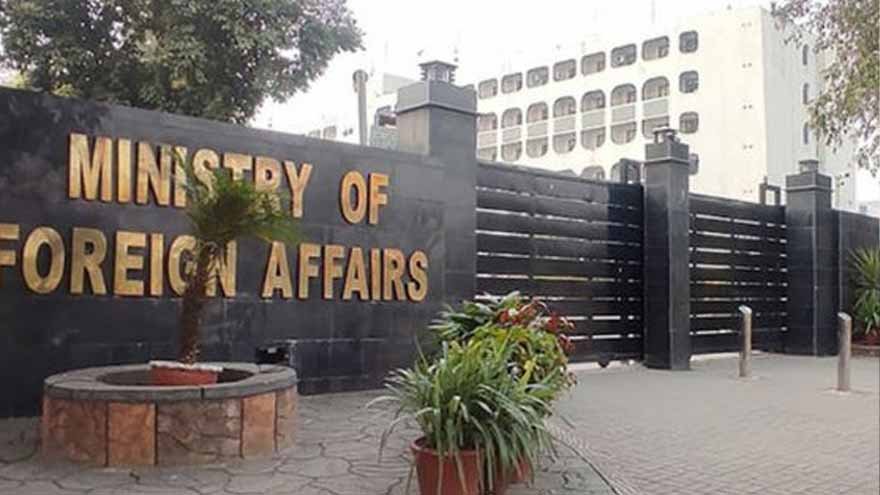
Responding to media queries, Foreign Office spokesperson Tahir Andrabi stated that Islamabad believes civil nuclear cooperation should follow a “non-discriminatory and criteria-based approach” applicable equally to all countries that are not signatories to the Nuclear Non-Proliferation Treaty (NPT) .
“Selective exceptions undermine the credibility of the global non-proliferation framework and could further destabilise regional and international peace and security,” Andrabi warned.
The Nuclear Suppliers Group Precedent
The spokesperson highlighted the historical irony of the agreement, noting that India’s 1974 nuclear test—which used plutonium produced in a reactor originally supplied by Canada for peaceful purposes—directly led to the creation of the Nuclear Suppliers Group (NSG) .
Despite this, Andrabi pointed out that India has not placed all of its civilian nuclear facilities under International Atomic Energy Agency (IAEA) safeguards, with several facilities remaining outside international monitoring.
The Military Diversion Risk
The core of Pakistan’s concern lies in the potential for resource diversion.
“Guaranteed external uranium supplies could allow India to divert its domestic uranium resources for military use, potentially expanding its fissile material stockpiles and nuclear arsenal, thereby affecting the strategic balance in South Asia,” the spokesperson stated.
The India-Canada Thaw
The uranium supply agreement was among several pacts signed in New Delhi, including cooperation on critical minerals, renewable energy, and advanced nuclear technologies such as small modular reactors.
Indian Prime Minister Narendra Modi characterized the renewed relationship positively, stating that bilateral ties had gained “new energy, mutual trust and positivity.”
Canadian Prime Minister Mark Carney described his visit as an important step toward improving ties, which had significantly deteriorated in 2023 after Ottawa accused New Delhi of involvement in attacks against Sikh activists in Canada—allegations that India strongly denied.
Broader Implications
The agreement represents another instance of a country-specific exception in civil nuclear cooperation, a pattern Pakistan has long criticized. Islamabad has consistently sought a similar waiver for civilian nuclear trade, arguing that discriminatory treatment fuels regional arms races.
With South Asia already hosting two nuclear-armed rivals, any expansion of India’s fissile material production capacity is viewed by Islamabad as a direct threat to the delicate strategic equilibrium.