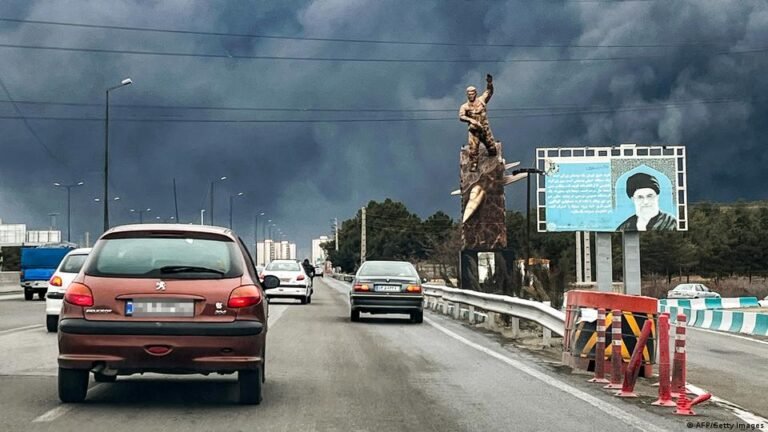
Seoul, South Korea – As the war in the Middle East expands, drawing in the United States, Iran, and multiple Gulf states, nations across Asia are bracing for the consequences. The conflict is not only sending economic shockwaves through energy-dependent economies but also reshaping long-term security calculations from Pyongyang to Tokyo.
North Korea: Nuclear Lessons
For North Korean leader Kim Jong Un, the US-Israeli strikes that killed Iran’s Supreme Leader Ayatollah Ali Khamenei serve as a powerful validation of his nuclear ambitions.
Pyongyang’s Foreign Ministry condemned the attacks as illegal and a “most despicable” violation of sovereignty, though it notably omitted any mention of Khamenei’s death. Analysts believe the regime views the strikes as a cautionary tale about the fate of nations that fail to develop a credible nuclear deterrent.
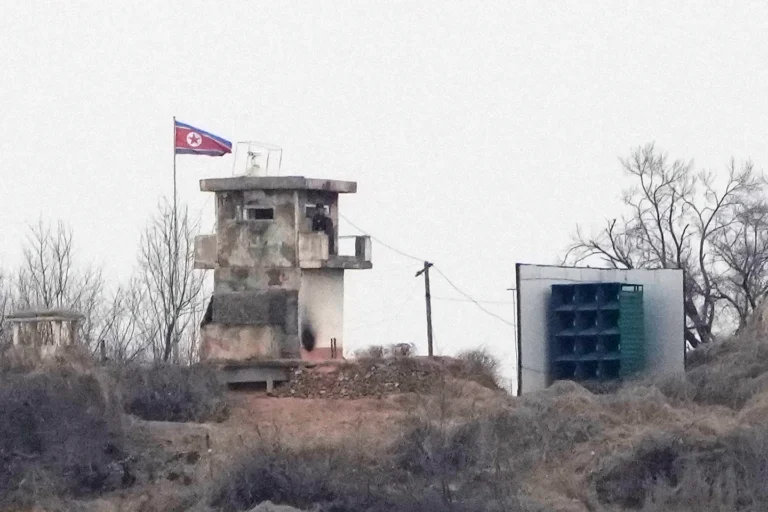
Unlike Iran, North Korea has followed through on its nuclear ambitions. Its arsenal contains dozens of warheads, with delivery systems that threaten Asian US allies and, potentially, the American mainland. Hong Min, an analyst at the Institute for National Unification, noted that eliminating North Korea’s capabilities in a single wave of preemptive strikes would be far riskier than the operation against Iran.
In his first public appearance since the war began, Kim last week inspected sea trials of a new warship and tests of nuclear-capable cruise missiles—a display analysts interpret as a message that, unlike Iran, his naval forces can carry nuclear warheads.
South Korea: Energy and Alliance Fears
South Korea, heavily dependent on imported fuel, is watching the conflict with alarm. Iran’s attacks on energy infrastructure and attempts to close the Strait of Hormuz—through which a fifth of global oil flows—pose a direct threat to its economy.
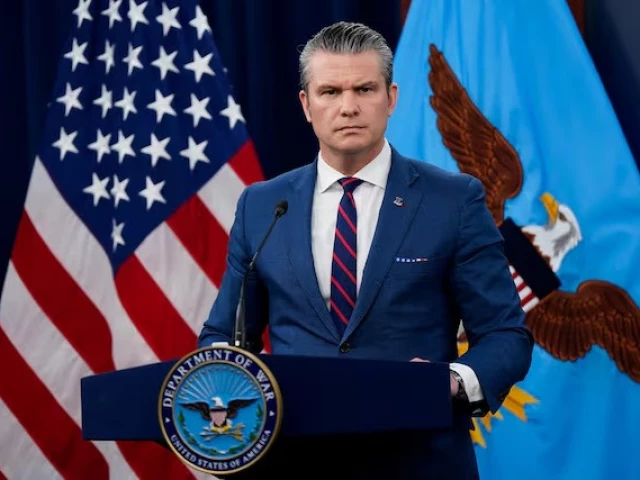
Beyond energy, the war is heightening unease about Seoul’s alliance with Washington. The Trump administration’s willingness to act militarily without broad coordination has raised fears in Seoul of being drawn into conflicts beyond the Korean Peninsula.
“Whether it’s Taiwan, North Korea, or the U.S.-China competition, there have long been concerns that the Trump administration could make overly aggressive decisions without fully considering the consequences for its allies,” Hong said. “Those concerns are now significant.”
Japan: Credibility and Military Posture
Tokyo, another key US ally, is also wary. While supporting US efforts to curb Iran’s nuclear program, the war has raised questions about its legitimacy and caused skepticism about Washington’s credibility.
Prime Minister Sanae Takaichi has voiced strong support for US-Iran negotiations but stopped short of endorsing the strikes. Some experts believe the conflict could bolster her push for a stronger military and expanded weapons sales.
US nuclear deterrence remains crucial to Japan’s security, though the global turmoil has revived debate over Japan acquiring its own nuclear weapons, a move still constrained by legal and political barriers.
China: The Opportunist
Beijing may see the Iran war as an opportunity to carve out a more assertive role in the Middle East, styling itself as a more reliable power broker than the United States, said Seo Chang-bae, a professor at Pukyung National University.
China has steadily expanded trade ties with Gulf states and brokered a 2023 agreement between Iran and Saudi Arabia to normalize relations. However, a prolonged conflict would harm China’s trade interests. Strategically, Beijing may also use the war to study US warfare capabilities and accelerate the integration of AI into its military.