



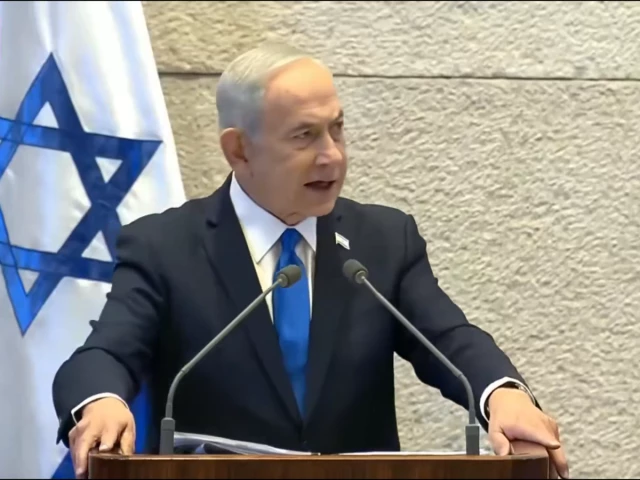
Tel Aviv: Israeli Prime Minister Benjamin Netanyahu stated on Monday that the ongoing US-Israel military campaign against Iran “may take some time” but will not stretch into years, as he framed the conflict as a potential gateway to a broader realignment and lasting peace in the Middle East.
In an interview with Fox News’ “Hannity” program, Netanyahu sought to manage expectations about the duration of the conflict while distancing it from the protracted, costly wars that have made Western publics wary of foreign entanglements.
“I said it could be quick and decisive. It may take some time, but it’s not going to take years. It’s not an endless war,” Netanyahu asserted.
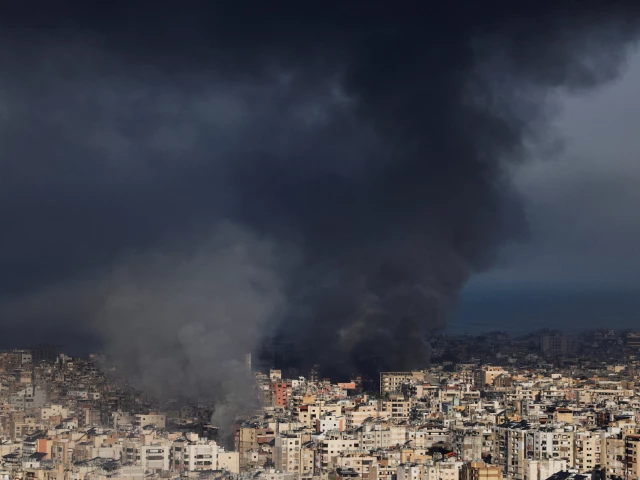
His comments come after the US and Israel launched a massive air campaign against Iran on Saturday, which resulted in the death of Iranian Supreme Leader Ali Khamenei. The strike has triggered retaliatory Iranian missile attacks on Israel and on Arab nations hosting US bases, plunging the region into a volatile new phase.
A ‘Window’ for Regional Peace
Despite the escalating violence, Netanyahu struck an optimistic note regarding the conflict’s long-term geopolitical outcomes. When asked if he saw a lasting path to peace in the region, he responded definitively: “Yes, I do.”
He specifically pointed to the potential for a historic normalization agreement between Israel and Saudi Arabia, a deal that had been under intense negotiation prior to the outbreak of hostilities.
“The war against Iran is creating a scenario… for lasting peace, including between Israel and Saudi Arabia,” Netanyahu suggested, implying that degrading Iran’s power could remove a major obstacle to Arab-Israeli rapprochement.
Shifting Timelines and American Skepticism
Netanyahu’s timeline stands in contrast to shifting signals from Washington. President Donald Trump initially projected the war to last four to five weeks but has since suggested it could be broader and more open-ended.
The intervention marks a significant pivot for Trump, who campaigned on an “America First” platform skeptical of foreign wars. However, a Reuters/Ipsos poll released over the weekend indicates that public opinion remains deeply divided, with only one in four Americans approving of the strikes on Iran.
Netanyahu addressed the domestic American audience directly, arguing that the campaign would be different from the lengthy US wars in Iraq and Afghanistan. “It’s not going to take years,” he repeated, aiming to alleviate fears of another prolonged military quagmire.
Regime Change: ‘Up to the People of Iran’
Netanyahu also weighed in on the future of Iran’s governance following the elimination of Khamenei. While stopping short of declaring a Western-imposed regime change, he made clear the desired outcome.
“Now, of course, it’s up to the people of Iran in the final count to change the government, but we are creating – America and Israel together are creating – the conditions for them to do so,” he said.
This rhetoric aligns with Trump’s initial statements urging Iranians to “take back your country,” though the US President’s recent comments have focused more narrowly on neutralizing Iran’s nuclear and ballistic missile programs.