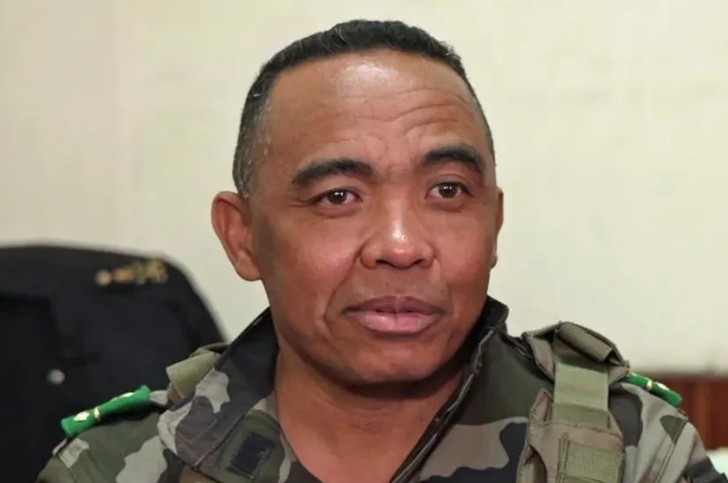
ANTANANARIVO, Madagascar — Madagascar’s military ruler, Col. Michael Randrianirina, has unexpectedly dissolved the government, dismissing Prime Minister Herintsalama Rajaonarivelo and the entire cabinet, according to a statement from his spokesperson .
“The government has ceased its functions,” the brief statement read, adding that Randrianirina would appoint a new prime minister “in line with the provisions stipulated by the constitution” . No reason was provided for the sweeping decision.
In the interim, permanent secretaries have been assigned to oversee the day-to-day operations of ministries until a new cabinet is formed .
A Leadership Forged in Crisis
Randrianirina seized power in October 2025, ousting President Andry Rajoelina following weeks of youth-led protests across the Indian Ocean island nation. The demonstrations, driven by persistent power and water shortages, culminated in the army siding with the demonstrators and installing the colonel as head of a military junta .
Rajoelina, who had been elected to a controversial third term in a disputed 2023 poll, was removed as the military moved to quell the unrest by aligning with the protesters’ demands .
Randrianirina has pledged to hold new elections within two years, though no specific timeline has been set .
Regional Pressure and Unmet Deadlines
The surprise dismissal comes just weeks after the Southern African Development Community (SADC) issued a directive requiring Madagascar’s military authorities to submit a roadmap for restoring democracy by the end of February .
The roadmap was expected to include concrete plans for fresh elections, a key condition for the regional bloc’s continued engagement with the junta . It remains unclear whether Madagascar met that deadline or what the regional response might be to the latest political upheaval .
Gen Z Movement: The Power Behind the Throne
While Randrianirina has not explained the motivation for the mass sackings, political observers point to growing pressure from the grassroots Gen Z and Gen Y movements that helped propel him to power .
According to local media reports, activist groups had recently issued a 72-hour ultimatum demanding Randrianirina’s resignation, citing frustration with his performance and the slow pace of reform .
Leaders of the Gen Z movement, whose mobilization was critical in toppling Rajoelina, have been calling for “more inclusiveness in the transition process and greater representation in decision-making structures” .
The Short-Lived Prime Minister
Businessman Herintsalama Rajaonarivelo had been appointed prime minister in October as part of an effort to bridge the divide between military leadership and civilian governance. However, his selection was immediately controversial .
Gen Z movement leaders rejected the appointment at the time, arguing it was made in a “non-transparent” manner and “without consultation.” They specifically questioned Rajaonarivelo’s connections to the previous Rajoelina government, asserting that the decision “runs contrary to the desired structural change” the movement was seeking .
Monday’s dissolution of the government could mark a significant shift in Madagascar’s political landscape, with the military leader seemingly seeking to establish a new administration more aligned with his vision—or more responsive to the youth movements that continue to hold sway over the country’s fragile transition .
What’s Next
Analysts suggest Randrianirina may use the cabinet dissolution to appoint a government that includes more representatives from the Gen Z movement, potentially defusing tensions and extending his hold on power until promised elections.
However, with SADC watching closely and youth activists growing impatient, the path forward remains uncertain. The junta has yet to announce a timeline for nominating a new prime minister or forming a fresh cabinet .
For now, Madagascar’s government functions in caretaker mode, with permanent secretaries running ministries and the military leader holding all effective power.