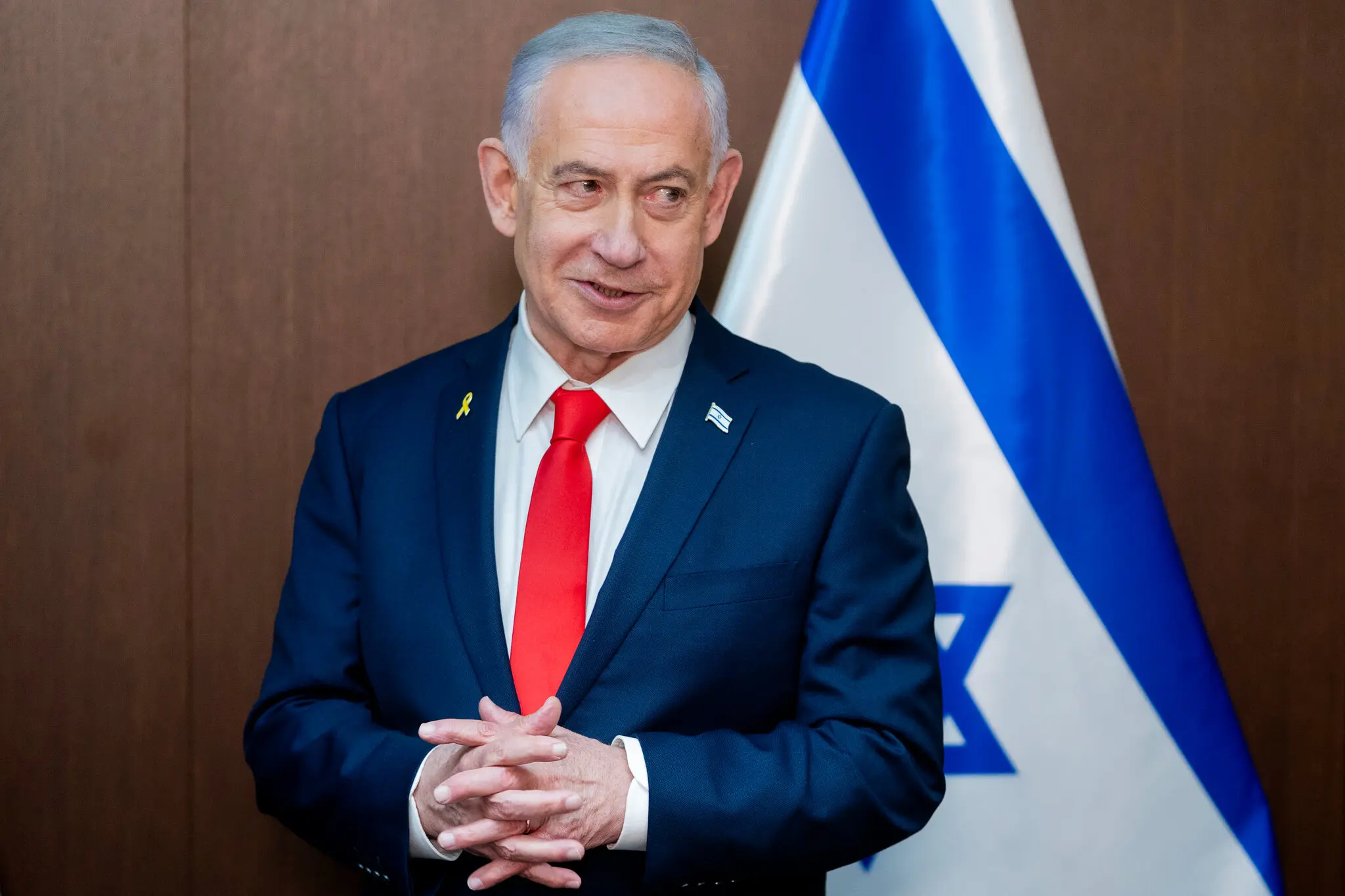
JERUSALEM — Benjamin Netanyahu is alive and well—and he has the coffee shop video to prove it.
The Israeli prime minister took to his Telegram channel on Monday to dispel rapidly spreading rumors originating in Iran that he had been killed, posting a casual video of himself speaking with a patron at a Jerusalem café .
The misinformation, which circulated widely on Iranian social media and pro-Iranian Telegram channels, claimed Netanyahu had died amid the escalating conflict between Israel and Iran, now in its third week .
“Did you hear the news that I’m dead?” Netanyahu asked with a smile in the video, a coffee cup visible on the table in front of him. “Well, as you can see, I’m very much alive” .
How the Rumors Spread
The false reports began circulating over the weekend, gaining particular traction on Iranian platforms seeking to rally domestic opinion amid the ongoing war. Some channels claimed Netanyahu had been killed in a retaliatory strike following the US-Israeli operation that killed Iranian Supreme Leader Ayatollah Ali Khamenei on Feb. 28 .
The rumors represented the latest salvo in what has become an intense information war accompanying the military conflict. Both sides have deployed disinformation and propaganda alongside missiles and drones since the fighting erupted .
Netanyahu’s Response: Coffee and Conversation
In the Telegram video, which appeared intended to feel spontaneous and unscripted, Netanyahu engages with a young man at the coffee shop who expresses concern about the war. The prime minister reassures him about Israel’s military position.
“We are in a strong position,” Netanyahu says. “We will continue to defend ourselves against any threat” .
The choice of setting—a casual Jerusalem coffee shop rather than a formal office—appeared designed to underscore his accessibility and normalcy, directly countering the narrative of his demise .
The Information War Intensifies
The false death rumors are part of a broader pattern of misinformation emerging from the conflict:
Iranian State Media: Tehran has consistently claimed inflated civilian casualty figures from US-Israeli strikes and has promoted narratives of Israeli military weakness .
Israeli Response: Israel’s military has released frequent updates on its strikes against Iranian and Hezbollah targets, while countering Iranian propaganda through official channels .
Social Media Battleground: Both sides have leveraged Telegram, X (formerly Twitter), and other platforms to shape international perception of the war .
Regional Context
The misinformation campaign comes amid escalating military exchanges. Iran has launched waves of drone and missile attacks targeting Israeli territory and US facilities across the Gulf region . Israel continues its air campaign against Iranian-backed Hezbollah forces in Lebanon, with strikes reported Monday in Beirut’s southern suburbs .
The human toll continues to mount. Iran reports over 1,300 civilians killed since the war began, while the US has confirmed seven service members killed and approximately 140 wounded . Lebanon has seen more than 700 killed and 1,500 injured in the expanding conflict .
Verification Challenges
The Netanyahu death rumors highlight the difficulties of information verification in a contested information environment. With traditional media access restricted in conflict zones and both sides controlling their official narratives, social media has become both a source of real-time information and a vector for disinformation .
Netanyahu’s Telegram channel, with millions of subscribers, provides the Israeli government a direct line to counter false narratives without relying on traditional media gatekeepers .
The Bottom Line
As the coffee shop video makes clear: Benjamin Netanyahu is alive, and the rumors of his death are false.
For the latest verified information on the Israel-Iran conflict, follow official government channels and established news organizations.