BEIJING — China on Thursday condemned the killing of Iranian leaders and attacks on civilian targets as “unacceptable,” urging restraint and a peaceful resolution as tensions escalate in the ongoing regional conflict involving Iran.
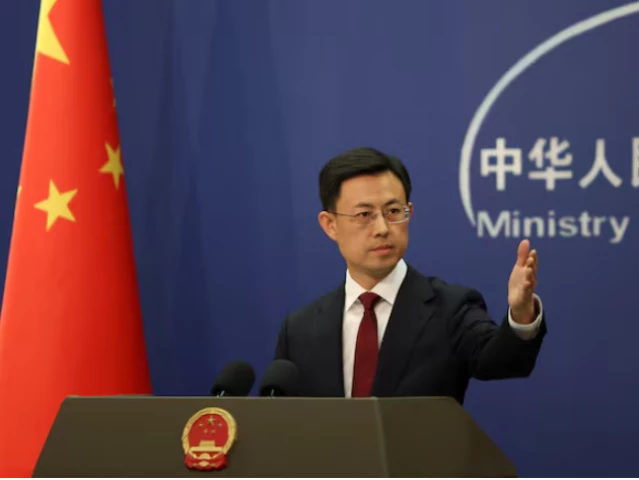
Foreign Ministry spokesperson Lin Jian, speaking at a regular press briefing, said Beijing opposes the use of force in international relations.
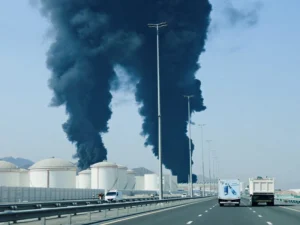
“The killing of Iranian leaders and attacks on civilian targets are by no means acceptable,” he said in response to a question.
Context of Remarks
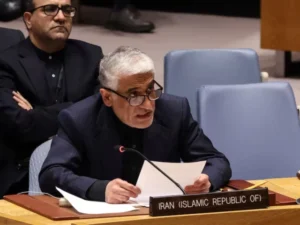
The statement came following reports that Ali Larijani, secretary of Iran’s Supreme National Security Council, was killed in an Israeli strike—a development that has further heightened regional tensions.
China has repeatedly called for restraint and a peaceful resolution as the conflict intensifies, positioning itself as a voice for de-escalation even as it maintains relationships with multiple parties in the region.
Humanitarian Assistance
Earlier this week, China announced emergency humanitarian assistance for Iran, Jordan, Lebanon, and Iraq, citing worsening humanitarian conditions amid the ongoing regional conflict.
Speaking at a regular briefing in Beijing, Lin said the conflict had caused “excruciating humanitarian disasters” affecting people in Iran and other countries in the region.
“China deeply sympathises with people in relevant countries and our hearts go out to them,” he said.
Lin added that China would continue efforts to promote peace and a ceasefire, facilitate the early restoration of regional stability, and prevent the humanitarian crisis from worsening.
Regional Dynamics
The Chinese statements come amid complex regional maneuvering. Gulf Arab states, while concerned about the conflict’s impact, are pressing the United States not to stop short in its campaign against Iran, urging it to neutralize Tehran’s ability to threaten the region’s oil lifeline, sources and diplomats told Reuters.
This puts China in a delicate diplomatic position: maintaining relations with Iran while also engaging with Gulf states that host US military assets and rely on American security guarantees.
Broader Context
China’s condemnation of leadership targeting and civilian attacks aligns with its longstanding foreign policy principles of non-interference and respect for sovereignty. However, Beijing’s ability to influence the conflict remains limited, with the United States and Israel leading military operations and Gulf states navigating their own security concerns.
The humanitarian assistance package signals China’s intent to maintain a presence in regional diplomatic efforts even as military escalation continues.