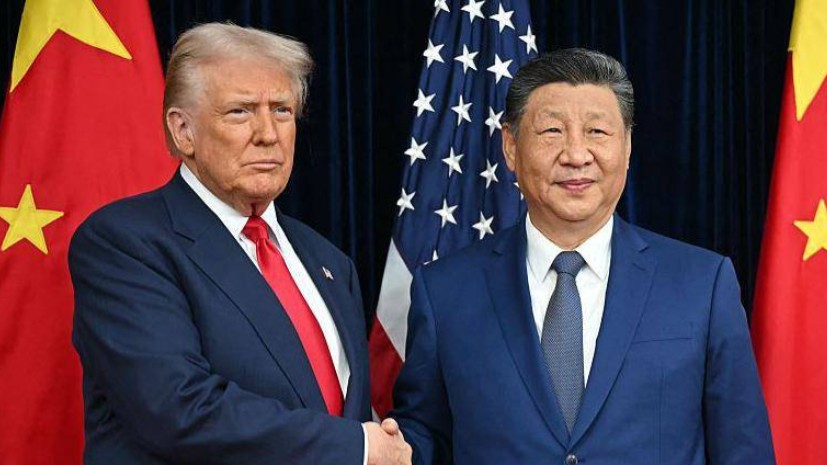
Donald Trump’s deepening involvement in the Middle East conflict may strengthen China’s negotiating position ahead of a planned summit with Xi Jinping, according to geopolitical analysts.
Trump had initially planned to visit Beijing at the end of March, but the trip has been delayed as Washington deals with the fallout from escalating tensions in the Middle East following joint US-Israeli strikes on Iran.
The conflict has driven global energy prices higher and raised concerns over supply disruptions, particularly after Iran effectively closed the Strait of Hormuz—a critical passage for global oil shipments.
China Gains Strategic Leverage
Experts suggest that the evolving crisis could give Beijing increased leverage in negotiations with Washington.
According to analysts at the International Crisis Group, the US may now seek diplomatic support from China to stabilise the situation, potentially weakening its bargaining position.
The upcoming summit is expected to focus on formalising a tariff truce agreed upon earlier between Trump and Xi. However, China may push for deeper tariff reductions and resist US demands on sensitive issues such as technology controls and access to critical minerals.
Trade Talks and Limited Breakthroughs
Recent discussions between US and Chinese officials in Paris were described as “constructive,” but analysts believe significant breakthroughs remain unlikely due to ongoing tensions over trade, technology, and geopolitical rivalry.
China has also maintained strict control over exports of rare earth minerals—key components used in advanced technologies and military systems—further increasing its strategic leverage.
Experts note that US dependence on these materials, especially for defense equipment like drones, missile systems, and radar, could complicate negotiations.
Domestic and Global Pressures
The Middle East crisis may also impact Trump domestically, as public opinion in the US remains divided over military involvement abroad.
At the same time, China could use economic tools—such as agricultural imports—to influence US domestic politics, particularly ahead of upcoming elections.
Despite potential meetings later this year, including at global summits, analysts believe the upcoming Trump-Xi talks are more likely to maintain stability rather than deliver major policy breakthroughs.
Energy and Strategic Calculations
The ongoing conflict has also highlighted the importance of energy routes like the Strait of Hormuz, through which a significant portion of China’s oil supply passes.
While the US has considered easing sanctions on Iranian oil to stabilise markets, such a move could indirectly benefit China, which remains a major buyer of Iranian crude.
Observers note that broader geopolitical tensions—including US support for Taiwan and China’s ties with Iran—are likely to continue shaping the complex relationship between the world’s two largest economies.
Despite uncertainties, the planned summit signals that both sides remain open to dialogue, even as strategic competition intensifies on multiple fronts.