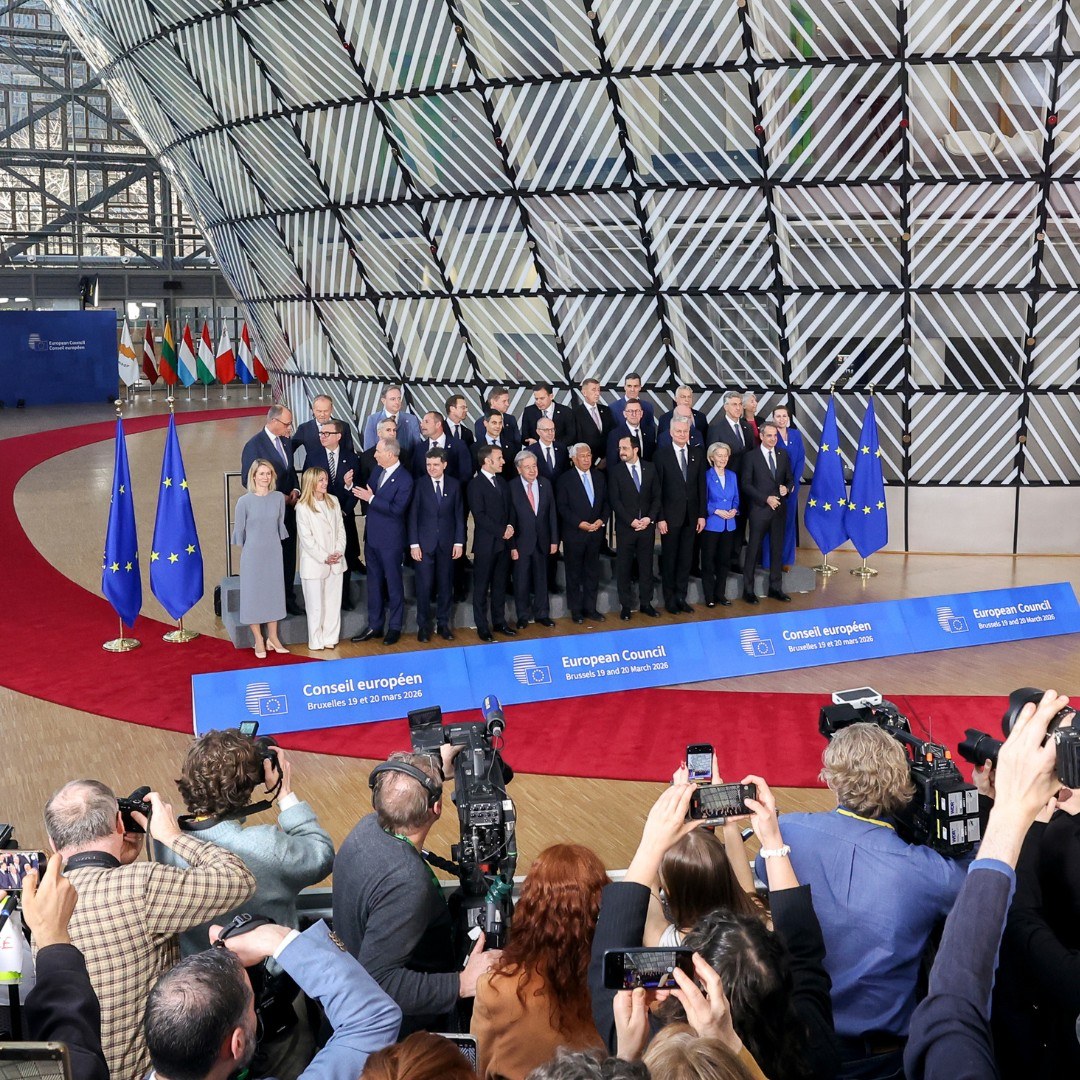
Europe at a Turning Point
Europe is entering a critical phase in its modern history. With rising energy costs, global security concerns, and increasing economic competition, the need for unity has never been greater.
At a high-level meeting in Brussels, leaders of the European Union came together to address the most urgent challenges shaping the continent’s future. The summit highlighted a shared commitment to cooperation, resilience, and strategic action.
From energy reforms to defence readiness and continued support for Ukraine, Europe is positioning itself to navigate an increasingly complex global landscape.
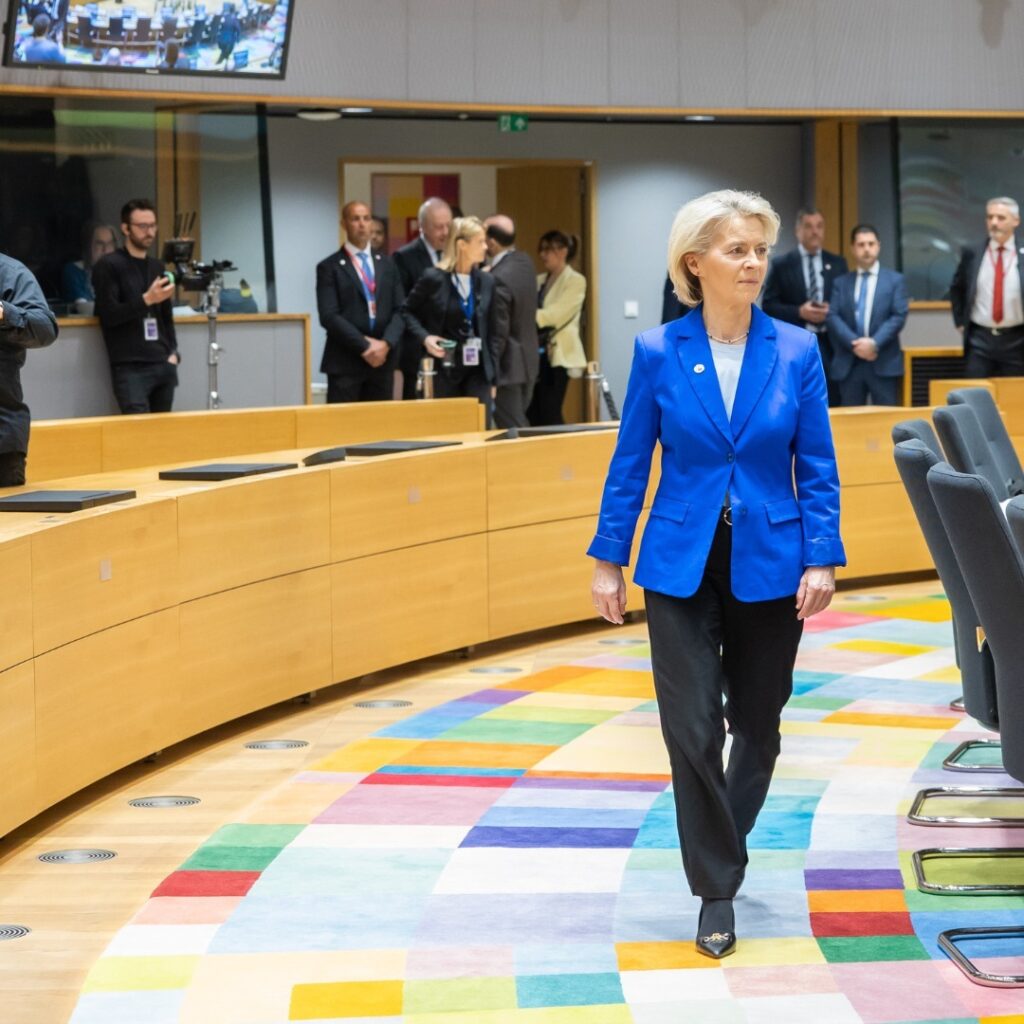
Addressing the Energy Crisis in Europe
⚡ Energy has become one of the most pressing concerns for European nations.
In recent years, Europe has faced sharp increases in imported fuel prices, largely due to geopolitical tensions and global supply disruptions. These rising costs have directly impacted households, businesses, and industries across the region.
EU leaders emphasized the need for targeted and temporary measures to stabilize energy markets. These include:
- Controlling excessive price spikes
- Supporting vulnerable households
- Investing in renewable energy sources
- Reducing dependency on imported fuels
In addition, leaders agreed on the importance of taking concrete steps to lower electricity prices, ensuring long-term affordability and sustainability.
The transition to cleaner energy remains a key priority, as Europe continues to push toward its climate goals while balancing economic stability.
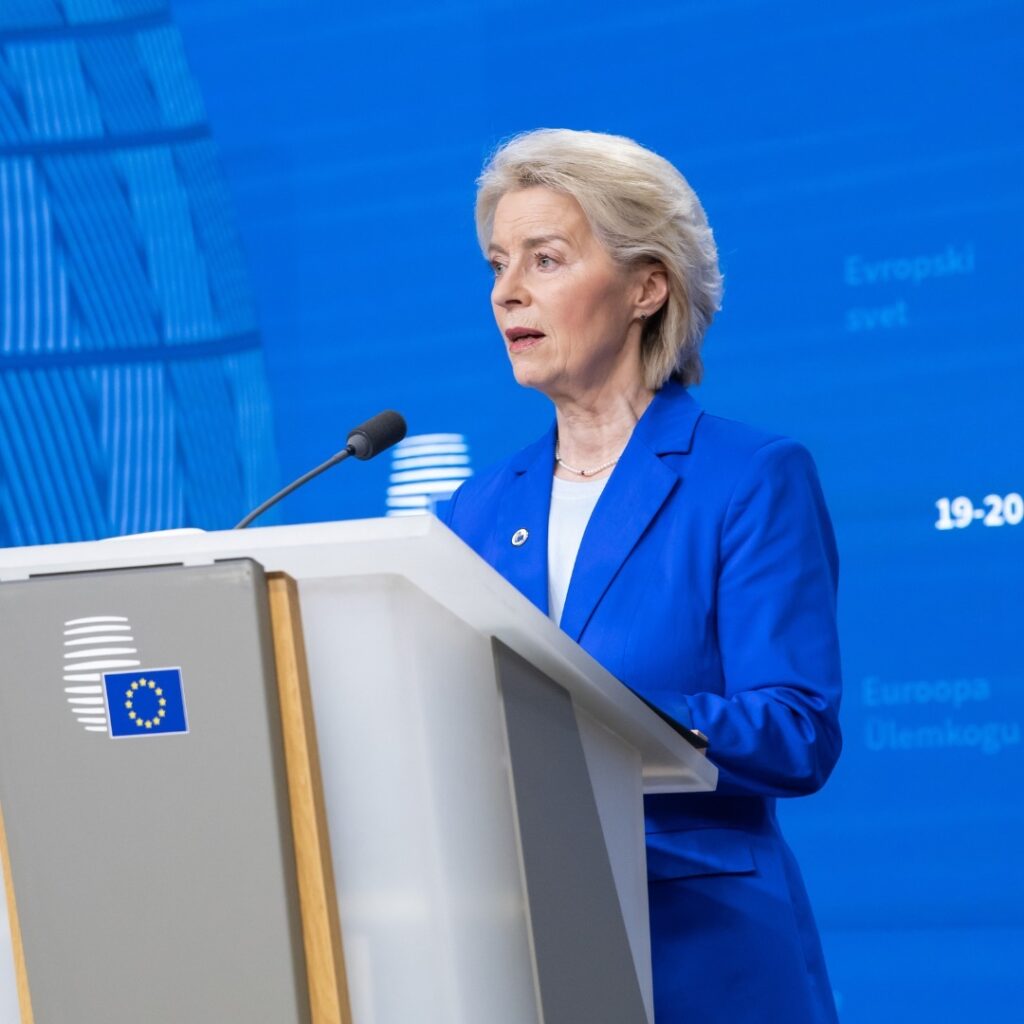
Boosting Competitiveness: “One Europe, One Market”
📈 Economic competitiveness is another central focus of the EU’s strategy.
To remain competitive in the global economy, the European Union is introducing a new initiative known as the “One Europe, One Market” roadmap. This plan aims to reduce internal fragmentation and create a more unified economic environment.
Key objectives include:
- Simplifying regulations for businesses
- Encouraging cross-border trade
- Supporting startups and innovation
- Strengthening digital transformation
By creating a more integrated market, the EU hopes to unlock new growth opportunities and attract investment from around the world.
This initiative is particularly important as Europe faces increasing competition from major global economies like the United States and China.
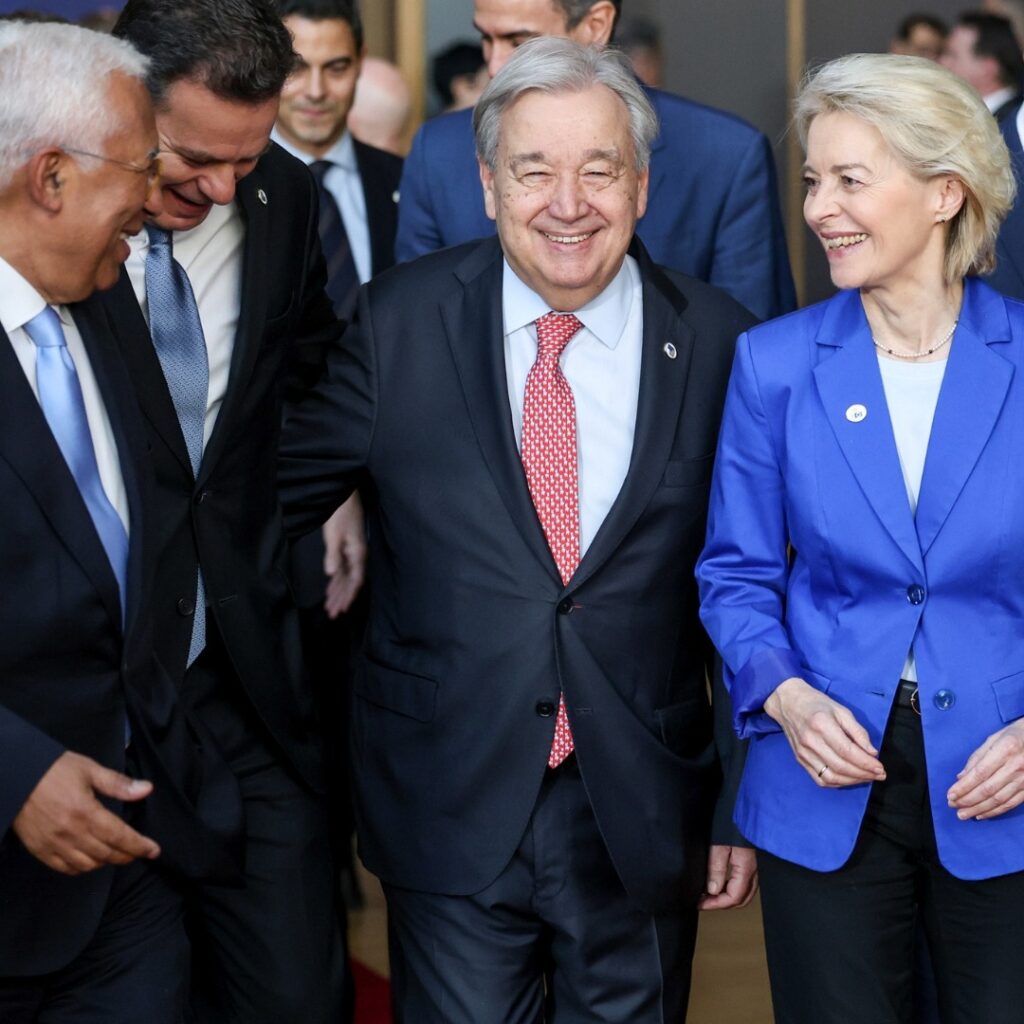
Strengthening Security and Defence
🛡️ Security remains a top priority for European leaders.
The evolving global security environment has pushed the EU to rethink its defence strategies. Leaders reaffirmed that the security of one member state is directly linked to the security of all.
As part of this commitment, Europe is:
- Increasing defence cooperation among member states
- Investing in military capabilities
- Enhancing rapid response readiness
- Strengthening partnerships with allies
The goal is to ensure that Europe is better prepared to respond to emerging threats, both within and beyond its borders.
This renewed focus on defence also reflects lessons learned from recent global conflicts and geopolitical tensions.
Continued Support for Ukraine
🇺🇦 Support for Ukraine remains unwavering.
Since the start of the conflict with Russia, the European Union has played a major role in providing financial, humanitarian, and military assistance to Ukraine.
During the Brussels meeting, EU leaders made it clear that their commitment to Ukraine will continue, regardless of challenges.
Key areas of support include:
- Financial aid and economic assistance
- Military support and defence cooperation
- Humanitarian relief for affected populations
- Reconstruction planning for the future
The EU emphasized its determination to deliver support “one way or another,” highlighting the importance of standing by Ukraine during this critical time.
Commitment to Multilateralism and Global Order
🌐 Europe is also reaffirming its role on the global stage.
EU leaders stressed the importance of maintaining a rules-based international order. This includes respecting international law, promoting diplomacy, and supporting global cooperation.
In an era of rising geopolitical tensions, Europe aims to act as a stabilizing force by:
- Supporting international institutions
- Promoting peace and diplomacy
- Encouraging global partnerships
- Addressing global challenges like climate change
This commitment to multilateralism reinforces Europe’s position as a key player in shaping the future of global governance.
A United Europe in a Changing World
The message from the Brussels summit is clear: unity is Europe’s greatest strength.
Facing multiple challenges at once, the European Union is choosing cooperation over division. By aligning policies on energy, economy, defence, and global relations, EU leaders aim to create a more resilient and secure future.
The road ahead may be complex, but Europe’s strategy reflects a long-term vision focused on:
- Stability
- Growth
- Security
- Sustainability
Europe is at a turning point, and the decisions made today will shape the continent’s future for decades to come.
The meeting in Brussels demonstrates that the European Union is ready to take bold and coordinated action.
From tackling the energy crisis to strengthening defence and supporting Ukraine, Europe is showing that unity can drive meaningful change.
In a rapidly evolving global landscape, one message stands out:
Together, Europe delivers.
FAQ Section (Add for SEO)
What is the main goal of the EU leaders meeting in Brussels?
The main goal was to address key challenges such as energy prices, economic competitiveness, defence strategy, and continued support for Ukraine.
Why is Europe facing an energy crisis?
Europe is experiencing rising energy costs due to global supply disruptions, geopolitical tensions, and dependence on imported fuels.
What is the “One Europe, One Market” plan?
It is a roadmap aimed at reducing economic fragmentation, improving trade, and boosting innovation across the European Union.
How is the EU supporting Ukraine?
The EU is providing financial aid, military assistance, humanitarian support, and long-term reconstruction plans for Ukraine.