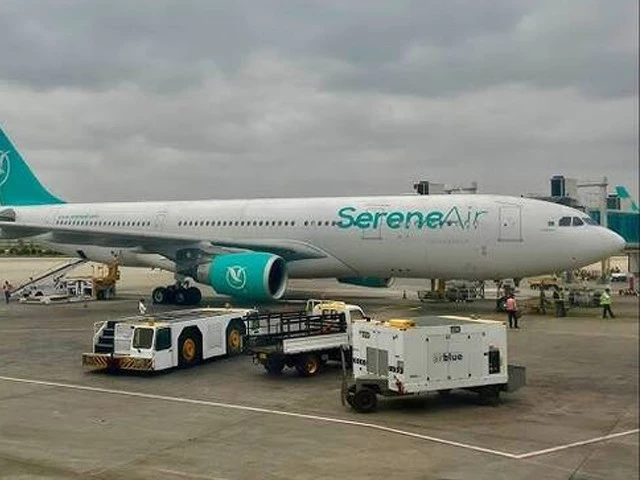
As millions of Pakistanis traveled to reunite with their families for Eid-ul-Fitr, airfares across domestic and international routes witnessed a sharp surge, driven by heightened seasonal demand and escalating global fuel prices.
Aviation industry sources confirm that ticket prices spiked significantly during Chand Raat and the Eid period, placing additional financial pressure on travelers already navigating peak-season costs.
Ticket Prices Jump Up to 30% During Eid Rush
Seasonal Demand Pushes Fares Higher
Air travel demand traditionally peaks during Eid, but this year’s surge has been particularly steep. According to aviation officials, domestic ticket prices rose by 15% to 20% compared to pre-Eid rates, with some passengers paying up to 30% more for last-minute bookings.
Major travel hubs such as Karachi, Lahore, and Islamabad experienced the highest demand, as travelers rushed to return to their hometowns.
Airlines adjusted fares dynamically to manage demand, a common practice during peak travel periods, but one that often leaves passengers with limited affordable options.
Fuel Prices Add Pressure on Airlines
Global Energy Trends Impact Aviation Costs
Beyond seasonal demand, a key driver behind the fare hike is the sharp increase in jet fuel prices. Aviation fuel, which typically accounts for 20% to 25% of airline operating costs, has seen dramatic fluctuations in recent months.
Industry sources report that fuel prices in Europe have nearly doubled, while Asian markets have experienced an increase of up to 80%. These spikes are linked to geopolitical tensions following military developments involving Iran, which have disrupted global energy markets.
Airlines, facing rising operational expenses, have passed a portion of these costs onto consumers, contributing to the overall increase in ticket prices.
International Travel Trends Shift
More Pakistanis Returning Home
Despite higher fares, international travel patterns revealed an interesting trend. While domestic air travel saw a slight dip, inbound international travel increased, with a significant number of Pakistanis returning from abroad to celebrate Eid with their families.
Routes connecting Pakistan to Gulf countries saw particularly high demand, reflecting the large expatriate workforce based in the Middle East.
Airlines Expand Middle East Operations
Foreign carriers responded by increasing flight frequencies on Middle Eastern routes. This move aimed to accommodate the influx of passengers, including those who had been stranded or delayed due to earlier travel disruptions.
Countries such as United Arab Emirates and Saudi Arabia remained key transit and origin points for travelers heading to Pakistan during the festive period.
Domestic Travel Sees Slight Decline
Cost Sensitivity Impacts Local Flyers
Interestingly, while international arrivals surged, domestic air travel experienced a modest decline. Analysts suggest that higher ticket prices may have pushed some travelers to opt for alternative modes of transportation, such as trains or road travel.
Pakistan’s price-sensitive consumer base often responds quickly to fare increases, especially during periods of economic pressure. As a result, airlines may face challenges in maintaining domestic passenger volumes despite peak-season demand.
Analysis: A Perfect Storm for Airline Pricing
Demand Meets Rising Costs
The current surge in airfares reflects a convergence of two powerful factors: seasonal demand and rising operational costs. Eid travel creates predictable spikes in passenger numbers, but the added burden of global fuel price increases has amplified the effect.
This “perfect storm” has led to one of the most noticeable fare hikes in recent years, raising questions about affordability and accessibility for average travelers.
Long-Term Implications for the Aviation Sector
If fuel prices remain volatile, airlines may continue to adjust fares upward, potentially reshaping travel behavior in Pakistan. Increased reliance on international routes and reduced domestic demand could alter airline strategies in the coming months.
Moreover, sustained high costs could accelerate the adoption of fuel-efficient technologies and operational optimizations within the aviation industry.
Global Context: Aviation Industry Under Pressure
The challenges faced by Pakistan’s aviation sector mirror a broader global trend. Airlines worldwide are grappling with rising fuel costs, supply chain disruptions, and fluctuating demand patterns.
From Europe to Asia, carriers are adjusting pricing models and expanding high-demand routes to remain competitive. The situation underscores the interconnected nature of global aviation, where geopolitical events can directly impact ticket prices thousands of miles away.
The Eid-ul-Fitr travel season has once again highlighted the delicate balance between demand and affordability in Pakistan’s aviation sector. While the festive rush brought families together, it also exposed the financial strain caused by rising airfares.
As global fuel prices continue to fluctuate and travel demand evolves, both airlines and passengers will need to adapt to a rapidly changing landscape—where timing, planning, and cost considerations play a more critical role than ever.