Tensions in the Gulf have escalated sharply as Iran announced that the strategically vital Strait of Hormuz will remain open to global shipping—except for vessels it considers linked to its adversaries—following a direct warning from U.S. President Donald Trump.
The development comes amid the ongoing conflict involving Iran, the United States, and Israel, raising fears of a major disruption to global energy supplies and maritime trade.
Iran Sets Conditions for Passage Through Hormuz
“Open, But Not for Enemies”
Iran’s position was articulated by Ali Mousavi, who stated that ships not affiliated with Iran’s “enemies” can continue to transit the strait, provided they coordinate with Iranian authorities for security arrangements.
He emphasized that Tehran is willing to work with the International Maritime Organization to ensure the safety of navigation and protect seafarers operating in the region.
However, the conditional nature of this access has raised serious concerns among global shipping companies and governments, as it introduces uncertainty into one of the world’s most critical trade routes.
Trump’s 48-Hour Warning Intensifies Crisis
U.S. Threat Raises Stakes
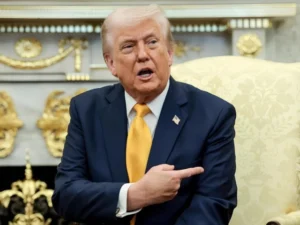
The situation escalated after Donald Trump threatened to target Iranian power infrastructure if the Strait of Hormuz is not “fully open” within 48 hours.
This ultimatum has significantly increased the risk of military confrontation, with analysts warning that any escalation could have immediate and severe consequences for global oil markets.
The Strait of Hormuz is responsible for transporting nearly 20% of the world’s oil and liquefied natural gas, making it one of the most strategically important chokepoints in global التجارة.
Global Energy Markets on Edge
Risk of Supply Shock
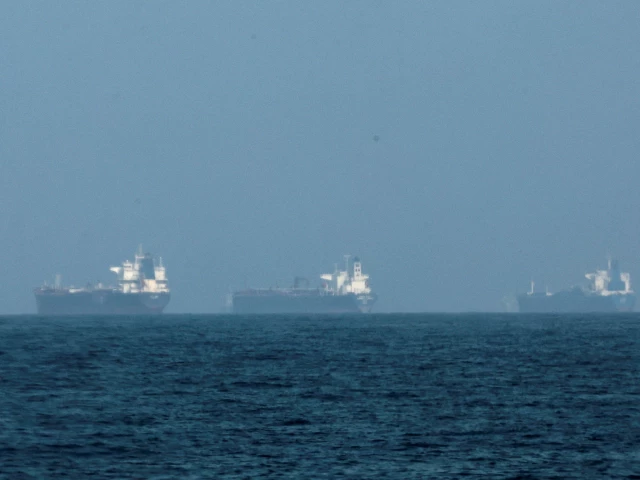
The threat of conflict has already disrupted shipping through the strait, with many vessels avoiding the route due to safety concerns. This has triggered fears of a global energy shock, as reduced supply could drive up oil and gas prices worldwide.
Countries heavily dependent on Middle Eastern energy—particularly in Asia and Europe—are closely monitoring the situation.
Even partial restrictions on shipping lanes can lead to volatility in global markets, affecting fuel prices, inflation, and economic stability.
Diplomacy vs. Escalation
Iran Calls for Ceasefire and Trust
Despite its firm stance, Iran has signaled that diplomacy remains its preferred path forward. Mousavi stated that a complete cessation of hostilities and the rebuilding of mutual trust are essential for restoring stability in the region.
He also blamed U.S. and Israeli military actions for the current tensions, framing Iran’s position as a response to external aggression.
🇯🇵 Japan Weighs Potential Role
Minesweeping Under Consideration
Amid the الأزمة, Japan has indicated it could consider a limited military role in the region. Foreign Minister Toshimitsu Motegi said Tokyo may explore minesweeping operations if a ceasefire is reached and maritime routes are obstructed.
Japan, which relies on the Strait of Hormuz for around 90% of its oil imports, faces significant economic risks if the الأزمة continues.
However, its actions are constrained by legal limitations under its pacifist constitution, making any deployment subject to strict conditions.
Strategic Importance of the Strait of Hormuz
A Global Chokepoint
The Strait of Hormuz connects the Persian Gulf to the Arabian Sea and serves as a vital artery for global energy supplies. Any disruption to this route can have cascading effects across international markets.
Historically, tensions in the region have led to temporary disruptions, but a prolonged closure or selective access policy would mark a significant escalation.
Analysis: A Dangerous New Precedent?
Selective Access Raises Legal Questions
Iran’s decision to allow passage only to certain vessels introduces a new dimension to maritime security. Experts warn that selective access could challenge established norms of international law governing freedom of navigation.
If other countries adopt similar approaches, it could undermine global trade systems and increase the risk of conflict in other strategic waterways.
Escalation Risks Remain High
With the United States issuing direct threats and Iran imposing conditions, the risk of miscalculation is growing. Even a minor incident in the Strait of Hormuz could quickly escalate into a broader conflict.
Global Implications: Energy, Trade, and Security
The الأزمة in the Strait of Hormuz highlights the interconnected nature of global energy and security systems. A disruption in one region can impact economies worldwide, from rising fuel costs to supply chain disruptions.
Governments and international organizations are likely to intensify diplomatic efforts in the coming days to prevent further escalation.
Iran’s announcement that the Strait of Hormuz remains open—albeit with conditions—marks a critical moment in an already volatile regional crisis. Coupled with U.S. threats and ongoing conflict, the situation poses serious risks to global energy security and international stability.
As the world watches closely, the path forward will depend on whether diplomacy can prevail over confrontation in one of the most strategically important waterways on the planet.