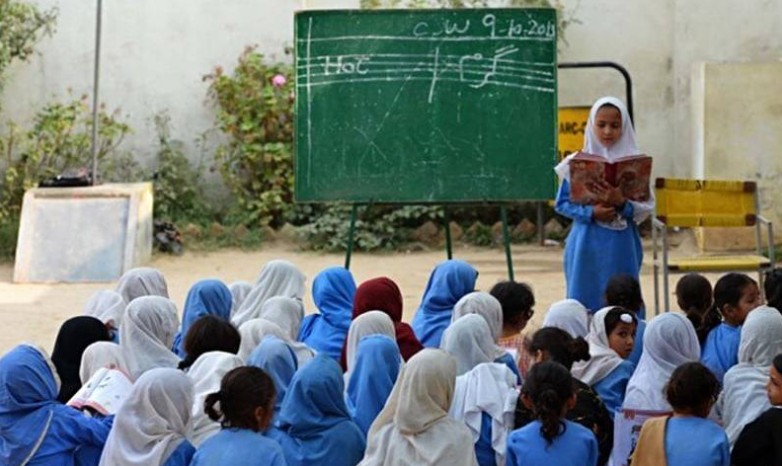
In a significant development for millions of students and parents, Punjab will reopen all schools from April 1, ending a temporary closure imposed amid rising fuel costs and economic pressures linked to the ongoing Middle East conflict.
The announcement was made by Rana Sikandar Hayat, who confirmed the decision via social media, stating that educational institutions across the province will resume operations “Inshallah” from the start of the new month.
Return to Classrooms After Emergency Shutdown
The reopening follows a two-week closure ordered earlier in March as part of nationwide austerity measures introduced by Shehbaz Sharif.
The government had taken the step to reduce fuel consumption and ease financial strain caused by surging global oil prices—driven largely by escalating tensions involving Iran, the United States, and regional allies.
During the closure, schools remained shut while many government offices shifted to remote work, aiming to cut transportation-related fuel usage.
Why Schools Were Closed
The decision to temporarily shut down educational institutions was part of a broader national strategy to cope with the economic fallout of the الحرب in the Middle East.
Pakistan, which relies heavily on imported energy, has been particularly vulnerable to fluctuations in global oil markets. The disruption of supply routes such as the Strait of Hormuz has contributed to sharp increases in fuel prices domestically.
To manage the crisis, the government introduced several measures:
- Reduced fuel consumption across public sectors
- Increased reliance on online services
- Promotion of remote work for office employees
- Temporary closure of schools and some institutions
Relief for Students and Parents
The reopening of schools comes as a relief for families concerned about academic disruptions. The pause in physical classes had raised fears of learning gaps, particularly for students preparing for exams.
Education experts have warned that prolonged closures—similar to those seen during the COVID-19 pandemic—can have lasting impacts on student performance and mental well-being.
With schools set to reopen, authorities are expected to implement measures to ensure a smooth transition back to in-person learning.
Economic Pressures Still Persist
While the reopening signals a degree of stabilization, Pakistan continues to face economic challenges linked to global energy volatility.
The الأزمة in the Middle East has not fully subsided, and oil prices remain unpredictable. Any further escalation could once again impact domestic policies, including the education sector.
Government officials have indicated that they are closely monitoring the situation and will adjust strategies as needed.
Balancing Education and Economic Reality
The decision highlights the delicate balance policymakers must maintain between economic constraints and essential public services.
Closing schools may reduce fuel usage in the short term, but it also carries social and educational costs. Reopening them suggests that the government is prioritizing continuity in education while managing economic risks through other measures.
Short Analysis: A Temporary Reset or Sustainable Move?
Punjab’s decision to reopen schools reflects cautious optimism rather than a full recovery from the ongoing crisis.
While energy-saving measures provided short-term relief, long-term solutions will depend on global stability—particularly in key النفط supply routes.
If oil prices remain volatile, similar policy shifts could return, making flexibility essential for both government institutions and the public.
Wider Impact Across Pakistan
The reopening of schools in Punjab could influence decisions in other provinces, many of which adopted similar measures during the energy crunch.
Key implications include:
- Education Continuity: Students can resume normal academic schedules
- Economic Activity: Increased commuting may slightly raise fuel demand
- Public Confidence: Signals a degree of stability amid uncertainty
The resumption of classes from April 1 marks an important step toward normalcy for Punjab’s education system. However, the broader challenges tied to global energy markets and geopolitical tensions remain unresolved.
As Pakistan navigates these uncertain times, the ability to adapt policies quickly will be crucial in balancing economic pressures with the needs of its population.