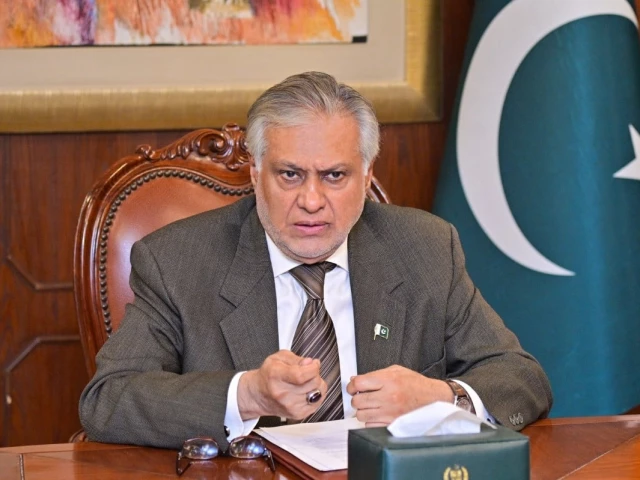
Pakistan has emerged as a crucial diplomatic conduit in escalating Middle East tensions, with Deputy Prime Minister and Foreign Minister Ishaq Dar confirming that indirect communication between the United States and Iran is currently being relayed through Islamabad.
In a statement shared on social media, Dar clarified that widespread reports suggesting formal peace negotiations are underway are inaccurate. Instead, he described the current engagement as a structured exchange of messages facilitated by intermediary states.
Backchannel Diplomacy Gains Momentum
According to Dar, Pakistan is playing a central role in transmitting messages between Washington and Tehran, with additional support from Türkiye and Egypt.
He revealed that the United States has presented a set of 15 proposals to Iran, which are currently under consideration by Iranian authorities. While details of the proposals remain undisclosed, the development signals a potential pathway toward de-escalation amid intensifying regional conflict.
Dar emphasized that the process should not be mistaken for formal negotiations, underscoring that both sides remain engaged at an indirect level.
Conflicting Signals from Washington and Tehran
The diplomatic efforts come amid mixed messaging from key stakeholders. Iranian Foreign Minister Abbas Araqchi reiterated that no direct negotiations are taking place, describing the current exchanges as limited to message relays through friendly nations.
“Messages being conveyed through our partners and responses issued accordingly do not constitute negotiations,” he said in a televised interview.
In contrast, U.S. President Donald Trump suggested that Iran is open to reaching an agreement to end weeks of conflict, a claim that appears to diverge from Tehran’s official stance.
Iranian officials have acknowledged reviewing the U.S. proposals but maintain that they are not prepared to enter formal talks at this stage.
Pakistan Expands Diplomatic Outreach
Alongside its intermediary role, Pakistan has intensified diplomatic engagement with regional partners. Dar held discussions with Jordan’s foreign minister Ayman Safadi, focusing on the urgent need for de-escalation and coordinated international efforts.
He also spoke with Turkish Foreign Minister Hakan Fidan, with both sides reaffirming their commitment to sustained diplomacy and regional stability.
These engagements reflect Islamabad’s broader strategy of building consensus among key regional players to prevent further escalation.
Strategic Role in a Volatile Region
Pakistan’s involvement as a mediator highlights its growing diplomatic relevance at a time of heightened geopolitical tension. By facilitating indirect communication, Islamabad is helping maintain a channel of dialogue between adversaries who currently lack direct engagement.
Analysts note that such backchannel diplomacy often plays a critical role in conflict management, allowing parties to test positions and explore compromises without public pressure.
Regional Stakes and Global Implications
The indirect talks come against the backdrop of an expanding conflict that has already disrupted global markets, energy supplies, and international aviation routes.
With tensions affecting multiple countries across the Middle East, the success or failure of these diplomatic efforts could have far-reaching consequences for global stability.
Observers warn that without effective mediation, the risk of further escalation remains high, potentially drawing in additional regional and international actors.
Analysis: Quiet Diplomacy, High Stakes
Pakistan’s role in relaying messages between the United States and Iran underscores the importance of quiet diplomacy in times of crisis. While the absence of formal negotiations may limit immediate breakthroughs, the existence of communication channels is itself a critical step toward de-escalation.
The challenge, however, lies in translating indirect exchanges into tangible outcomes. Diverging public positions from Washington and Tehran suggest that significant gaps remain.
Still, the involvement of multiple intermediary countries—including Pakistan—offers a framework for continued engagement. If sustained, these efforts could lay the groundwork for eventual negotiations and a potential resolution to the conflict.
For now, the world will be watching closely as backchannel diplomacy unfolds behind the scenes, carrying the weight of regional peace and global stability.