Pakistan’s Foreign Office has strongly rebuked comments by India’s top diplomat, escalating a fresh war of words between the two nuclear-armed neighbors amid a sensitive diplomatic phase in the Middle East crisis.
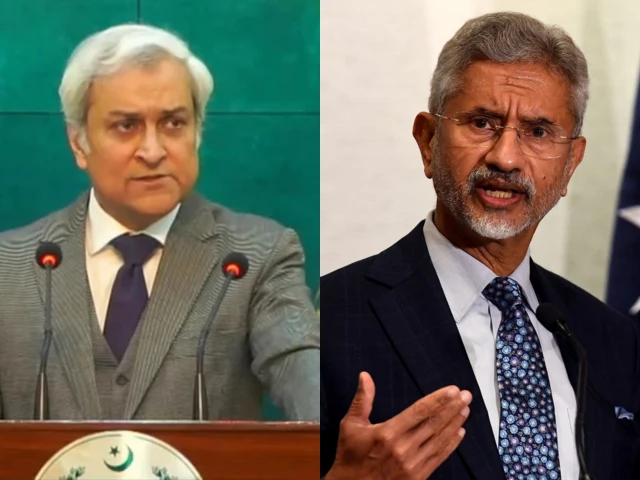
At a weekly briefing, Foreign Office spokesperson Tahir Andrabi criticized Indian External Affairs Minister Subrahmanyam Jaishankar for remarks dismissing Pakistan’s role in facilitating indirect communication between the United States and Iran.
Describing the comments as “undiplomatic” and “megaphone theatrics,” Islamabad signaled growing frustration with what it views as attempts to undermine its diplomatic engagement.
Diplomatic Row Triggered by Jaishankar’s Comments
The controversy erupted after Subrahmanyam Jaishankar stated that India would not act as a “broker” in global geopolitics, while also suggesting that Pakistan’s role in such efforts was neither new nor significant.
His remarks came in response to domestic political discussions in India regarding Pakistan’s involvement in backchannel diplomacy amid the ongoing Middle East conflict.
Pakistan swiftly rejected the characterization, arguing that its approach is grounded in restraint and constructive engagement rather than public rhetoric.
Islamabad Defends Its Diplomatic Approach
Responding firmly, Tahir Andrabi said the Indian minister’s language reflected “a deep sense of frustration.”
“When arguments run thin, invective appears to fill the gap,” he noted, adding that Pakistan does not engage in “megaphone theatrics” but instead prioritizes measured diplomacy.
Officials in Islamabad have emphasized that their role is focused on facilitating dialogue and reducing tensions, particularly in a conflict with significant global implications.
Political Leaders Join Criticism
The exchange quickly expanded beyond official channels, with several Pakistani political figures weighing in.
Defence Minister Khawaja Asif criticized the Indian minister’s remarks, suggesting they reflected personal frustration. Meanwhile, government spokesperson Murtaza Solangi and former foreign minister Jalil Abbas Jilani also condemned the tone of the comments, calling for more responsible diplomatic language.
The sharp rhetoric on both sides highlights the fragile state of Pakistan-India relations, which remain strained following past conflicts and ongoing political disagreements.
Pakistan’s Role in US-Iran Backchannel Efforts
The diplomatic dispute comes at a time when Pakistan is increasingly positioned as a key intermediary in indirect talks between Washington and Tehran.
Officials have confirmed that Islamabad is relaying messages between the two sides, with support from regional players such as Türkiye. The efforts aim to explore pathways to de-escalation in a conflict that has already disrupted global markets and security dynamics.
Reports suggest that a potential high-level meeting involving U.S. officials could take place in Pakistan, although plans remain fluid.
Regional and Global Stakes
The timing of the diplomatic row is particularly sensitive, as tensions in the Middle East continue to escalate. Any breakdown in communication channels between major powers could heighten the risk of broader conflict.
Pakistan’s involvement in mediation reflects its strategic ties with both the United States and Iran, positioning it as a bridge between competing interests.
However, such a role also places Islamabad under increased scrutiny, both regionally and internationally.
Analysis: Diplomacy vs. Rhetoric
The latest exchange between Islamabad and New Delhi underscores a broader contrast in diplomatic styles—quiet backchannel engagement versus public political messaging.
While India’s remarks appear aimed at domestic audiences and strategic positioning, Pakistan is emphasizing its role as a facilitator of dialogue during a critical moment.
The effectiveness of Pakistan’s mediation efforts will ultimately depend on outcomes rather than rhetoric. However, escalating verbal exchanges between regional powers risk overshadowing delicate diplomatic processes.
As the Middle East crisis deepens, maintaining focus on de-escalation may prove more important than political point-scoring. Whether regional actors can rise above tensions and support meaningful dialogue remains a key question in the days ahead.