Sweden has called for an urgent halt to violence in Lebanon as tensions in the region continue to escalate.
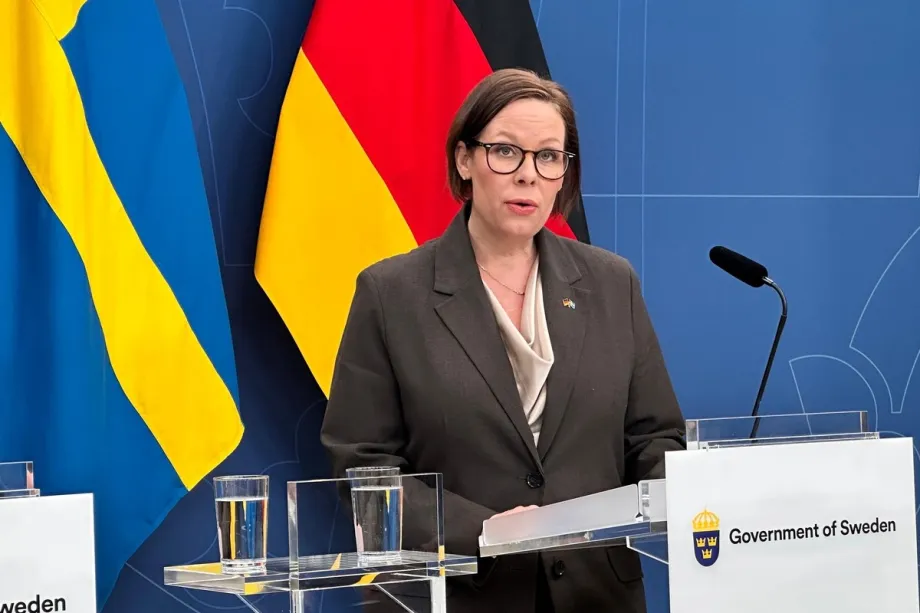
Speaking on Friday, Maria Malmer Stenergard expressed deep concern over the growing conflict and urged all parties to respect international law and prioritize the protection of civilians.
Her statement comes at a time when cross-border violence between Israel and Hezbollah has intensified, raising fears of a wider regional crisis.
Sweden Urges All Parties to De-escalate
In a message shared on X, Stenergard emphasized Sweden’s solidarity with Lebanon and its people.
“I am deeply concerned about the escalation of hostilities in Lebanon. The Lebanese people deserve peace and security,” she said.
Sweden called for an immediate ceasefire, urging both sides to step back from further military actions.
The Swedish foreign minister specifically called on Israel to refrain from additional attacks on Lebanese territory, while also urging Hezbollah to immediately stop its attacks against Israel.
Emphasis on Sovereignty and International Law
A key part of Sweden’s statement focused on the importance of respecting Lebanon’s sovereignty and territorial integrity.
Stenergard stressed that:
- International law must be upheld
- Humanitarian law must be respected
- Civilians must be protected
- Civilian infrastructure must not be targeted
These principles are central to preventing further humanitarian crises in conflict zones.
Rising Violence and Humanitarian Impact
The situation in southern Lebanon has deteriorated rapidly in recent weeks.
According to Lebanese authorities:
- At least 1,116 people have been killed
- More than 3,229 individuals have been injured
These casualties are largely the result of ongoing airstrikes and ground operations carried out by Israeli forces following a cross-border attack earlier this month.
The escalation has placed immense pressure on Lebanon’s already fragile infrastructure and healthcare system.
Broader Regional Tensions
The conflict is unfolding against a backdrop of wider instability in the Middle East.
Tensions have intensified following a joint offensive involving the United States and Israel targeting Iran. Reports indicate that more than 1,340 people have been killed since late February.
In response, Iran has launched retaliatory drone and missile strikes aimed at Israeli targets and US military bases in Gulf countries.
This broader conflict raises concerns about a potential regional war, with multiple actors involved and increasing risks of escalation.
International Calls for Peace Growing
Sweden is among several countries calling for restraint and diplomatic solutions.
Global leaders and international organizations have repeatedly emphasized the need for:
- Immediate ceasefire agreements
- Protection of civilians
- Humanitarian access
- Political dialogue
As violence continues, pressure is mounting on all sides to return to negotiations and prevent further loss of life.
Sweden’s call for an immediate ceasefire highlights the urgent need to de-escalate tensions in Lebanon and the wider region.
With rising casualties, increasing humanitarian concerns, and growing regional instability, the situation demands swift and coordinated international action.
The message from Stockholm is clear: peace, protection of civilians, and respect for international law must come first.