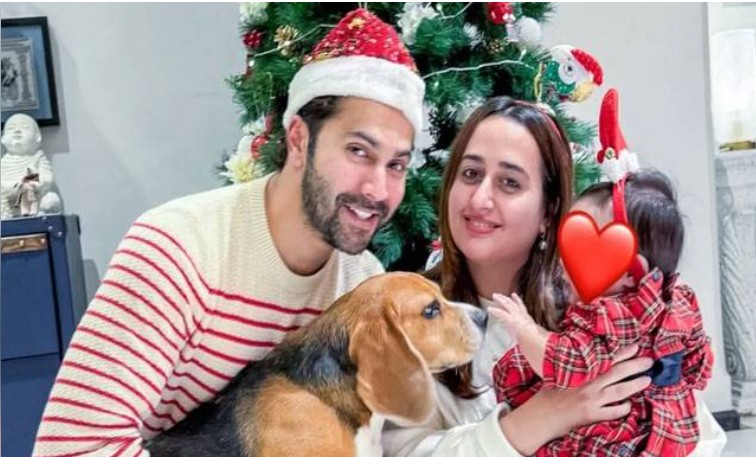
MUMBAI – For Varun Dhawan and his wife Natasha Dalal, the joy of welcoming their first child in June 2024 was followed by an unexpected challenge. Around the time Lara turned one and a half, the couple received a diagnosis that would test their resilience: their daughter had Developmental Dysplasia of the Hip (DDH), a condition in which a child’s hip joint does not form properly, causing the hip to slip out of its socket.
The actor, known for his energetic screen presence and blockbuster roles, opened up about the experience with candor and vulnerability on the podcast, offering fans a glimpse into the private struggles that accompanied his public life.
Understanding DDH
Developmental Dysplasia of the Hip is a condition that affects the hip joint in infants and young children. When the joint does not develop correctly, the femoral head—the ball at the top of the thigh bone—can slip out of the hip socket. This can lead to one leg appearing shorter than the other, creating an uneven gait and difficulties in walking or running.
If left untreated, the condition can result in long-term complications, including early-onset arthritis, chronic pain, and spinal issues. Early detection is critical to successful treatment, and parents are encouraged to watch for signs such as uneven leg length, asymmetrical thigh folds, or a limp when the child begins to walk.
A Challenging Treatment
Fortunately for Lara, the condition was detected early enough that surgery was not required. Doctors were able to correct the problem through a medical procedure that repositioned the hip joint back into its proper place. But the treatment came with its own set of challenges.
“She didn’t need surgery. With one procedure, they could put the hip back. But she had to be in a cast for 2.5 months, which is extremely difficult,” Varun shared on the podcast.
The spica cast—a type of cast that extends from the chest to the legs, immobilizing the hips—is a standard treatment for DDH in young children. For a toddler, being confined to a cast for 2.5 months is physically and emotionally taxing. For parents, the experience is a test of patience, strength, and adaptability.
Varun’s description of the period was brief but revealing. “Extremely difficult” is a phrase that speaks to sleepless nights, the challenge of keeping a child comfortable, and the emotional weight of watching a young child endure medical treatment.
A Message to Parents
The actor’s decision to share the experience was driven by a desire to help other parents who might be facing similar challenges. By speaking openly about Lara’s diagnosis and treatment, Varun hopes to raise awareness about DDH and the importance of early detection.
He urged parents to stay attentive to early developmental signs in children, emphasizing that early intervention can make a significant difference in outcomes. The condition, if caught early, is highly treatable—but it requires that parents and pediatricians remain vigilant about developmental milestones.
The Joy of Being a ‘Girl Dad’
Varun and Natasha, who married in 2021, have often expressed how parenthood has transformed them. The actor, in particular, has spoken with enthusiasm about being a “girl dad”—a term that reflects his pride and joy in raising a daughter.
“I’d do anything for her happiness,” Varun has said in previous interviews, and his willingness to share this vulnerable chapter of their lives reflects that commitment. By speaking openly about Lara’s diagnosis and recovery, he has used his platform to normalize conversations about childhood medical conditions and to offer solidarity to other parents navigating similar journeys.
Recovery and Looking Ahead
The treatment was successful. Lara’s hip was repositioned, the cast was removed after 2.5 months, and the toddler is now on the path to full recovery. For Varun and Natasha, the experience has been a reminder of the fragility of health and the strength required to support a child through medical challenges.
As Lara continues to grow and develop, the Dhawan family has emerged from the experience with a deeper appreciation for the medical professionals who treated her, the support system that sustained them, and the resilience of their young daughter.
A Growing Conversation About Parenthood
Varun’s openness about Lara’s DDH diagnosis adds to a growing conversation among celebrities about the realities of parenthood. In recent years, more public figures have chosen to share the challenges as well as the joys of raising children, from health scares to developmental milestones.
For fans, these glimpses into the personal lives of stars serve as reminders that even those who appear to lead glamorous lives face the same fears and challenges as any parent. Varun’s willingness to discuss Lara’s condition without sensationalism or sentimentality offers a model of how public figures can use their platforms to educate and support.
Looking Forward
With Lara’s treatment behind them, the Dhawan family is focused on the future. Varun continues his work in Bollywood, with several projects in development, while Natasha remains involved in her design career. But for both, the priority is clear.
In his podcast appearance, Varun’s voice carried the relief of a parent who has come through a difficult period. The cast is off. Lara is thriving. And the experience, as challenging as it was, has brought the family closer.
His message to other parents is simple: pay attention to early developmental signs, trust your instincts, and know that you are not alone. For Varun Dhawan, the journey of parenthood has been marked by both joy and unexpected challenges. His willingness to share both speaks to a maturity that extends far beyond his years on screen.
Analysis: The Power of Vulnerability
Varun Dhawan’s decision to speak publicly about his daughter’s DDH diagnosis represents a meaningful shift in how celebrities engage with their audiences. In an era when social media often presents a curated version of life, his willingness to share a challenging chapter is both brave and valuable.
By discussing a condition that affects many children but is rarely talked about publicly, Varun has the potential to raise awareness and encourage early detection. His platform—millions of followers across social media, a career built on connecting with audiences—makes him an unlikely but effective advocate for pediatric health awareness.
The actor’s choice to speak on a podcast titled Be A Man, Yaar! is also significant. The title itself suggests a conversation about masculinity, and Varun’s openness about his daughter’s health challenges—his vulnerability, his concern, his emotional investment in her recovery—models a version of fatherhood that is emotionally engaged and unafraid of difficult conversations.
For fans who have followed Varun’s career from his debut in Student of the Year to his recent work in Bhediya and Citadel: Honey Bunny, this glimpse into his private life adds depth to a public persona. The energetic entertainer on screen is also a devoted father, navigating the same fears and challenges as any parent.
As Lara continues to grow, her father’s willingness to share her story may help other families recognize the signs of DDH early, seek treatment, and find comfort in knowing they are not alone. That, perhaps, is the most meaningful role Varun Dhawan has played yet.