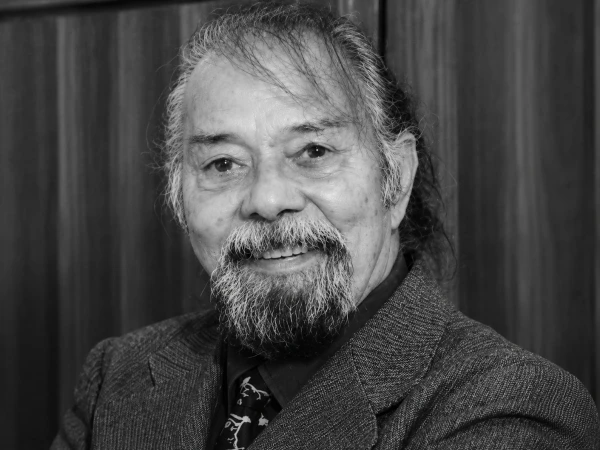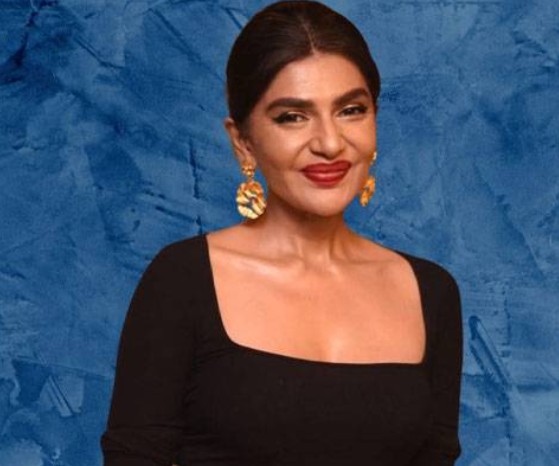
Television personality Iffat Omar sparked a fresh wave of controversy after launching a fiery public attack on anchor Iqrar Ul Hassan, following his remarks on the high-profile defamation case involving Ali Zafar and Meesha Shafi. Her strongly worded response quickly went viral, igniting intense debate across social media and reopening discussions about the case that has divided Pakistan’s entertainment industry.
KARACHI – Taking to X (formerly Twitter), Iffat posted a scathing message directly targeting Iqrar, criticizing both his stance and his conduct as a television host. In her tweet, she accused him of hypocrisy while speaking on women’s rights and used harsh language to question his credibility, even labeling him as someone who has allegedly blackmailed people. She also appeared to take aim at his personal life, making controversial remarks about his wives, which further fueled backlash online.
The outburst came shortly after Iqrar publicly commented on the court’s verdict in the defamation case, stating that the financial penalty imposed on Meesha Shafi was too small compared to the emotional and professional damage suffered by Ali Zafar. He argued that such cases, if not dealt with firmly, could weaken trust for genuine victims of harassment and stressed that false accusations must be addressed seriously.
The Verdict That Divided the Industry
The legal battle, which began years ago after Meesha Shafi accused Ali Zafar of misconduct, has remained one of Pakistan’s most talked-about disputes. While Zafar consistently denied the allegations and pursued legal action to protect his reputation, Shafi maintained that her stance was part of a broader effort to highlight workplace harassment.
The recent court ruling marked a significant development, bringing renewed attention to issues of accountability and evidence in sensitive cases. A sessions court ruled in favor of Ali Zafar, directing Meesha Shafi to pay Rs5 million in damages after concluding her allegations could not be legally proven.
A Deepening Divide
The verdict has divided public opinion and the entertainment industry. Some have celebrated the ruling as vindication for Ali Zafar, while others—including actress Nadia Afgan and Huma Hamid—have publicly expressed solidarity with Meesha Shafi, emphasizing that a legal loss does not erase lived experience.
Iffat Omar’s attack on Iqrar Ul Hassan represents the most aggressive response to date from a public figure commenting on the case. By directly targeting the anchor’s credibility and personal life, she escalated the debate beyond the original case into a broader confrontation about who has the right to speak on issues of harassment and accountability.
Iqrar’s Position
Iqrar Ul Hassan, known for his investigative journalism and hosting of programs that often highlight social issues, had argued that the Rs5 million penalty was insufficient given the scale of damage caused to Ali Zafar’s reputation. He suggested that light penalties could encourage false accusations, ultimately harming genuine victims of harassment.
His comments aligned with the court’s finding that Shafi’s allegations could not be legally proven, but they drew immediate criticism from those who believe that the legal outcome should not diminish the importance of speaking out.
Social Media Erupts
Iffat’s tweet quickly went viral, with users sharing and commenting on the exchange. Supporters praised her for standing up against what they perceived as victim-blaming, while critics argued that her personal attacks on Iqrar were inappropriate and detracted from substantive discussions about the case.
The use of harsh language and personal remarks about Iqrar’s family drew particular criticism, with some users noting that ad hominem attacks undermine the credibility of the speaker’s arguments.
The Broader Context
The Iffat-Iqrar exchange reflects the broader polarization that has characterized discussions of the Ali Zafar-Meesha Shafi case. For years, the entertainment industry has been divided between those who support Shafi’s allegations and those who believe Zafar was falsely accused.
The court’s verdict has not resolved this divide. Instead, it has intensified debates about the relationship between legal outcomes and moral truth, the standards of evidence required in harassment cases, and the responsibilities of public figures when commenting on sensitive issues.
Analysis: When Debate Turns Personal
Iffat Omar’s attack on Iqrar Ul Hassan represents a moment when substantive debate about the Meesha Shafi-Ali Zafar case gave way to personal animosity. By targeting Iqrar’s credibility, personal life, and professional conduct, Iffat shifted the conversation from the merits of his arguments to his character.
This strategy may resonate with followers who already oppose Iqrar’s stance, but it risks alienating those who believe that personal attacks have no place in discussions of harassment and accountability. The use of harsh language and references to Iqrar’s wives also raises questions about the boundaries of acceptable public discourse.
For Iqrar, the attack may be an occupational hazard of commenting on controversial cases. As a television host who often takes strong positions, he is accustomed to criticism. But the personal nature of Iffat’s remarks may be unprecedented in its intensity.
For the broader conversation about the Meesha Shafi-Ali Zafar case, the Iffat-Iqrar exchange is a reminder of how difficult it is to have nuanced discussions in the age of social media. Complex issues of evidence, accountability, and harm are reduced to tweets, and substantive debate gives way to personal attacks.
As the dust settles on this latest controversy, the underlying questions remain unresolved: How should society balance the rights of accusers and the accused? What standards of evidence are appropriate in harassment cases? And how can public figures contribute to these discussions without polarizing the conversation further?