China-Brokered Urumqi Talks Offer Breakthrough Chance for Pakistan-Afghanistan Relations
A rare diplomatic opening has emerged between Pakistan and Afghanistan after a week of China-mediated talks in Urumqi, raising cautious optimism about easing long-standing tensions rooted in security and border disputes.
Officials from both sides concluded the first round of technical-level negotiations in Urumqi, with China playing host and facilitator, according to statements from Beijing.
Constructive Talks Signal Diplomatic Progress
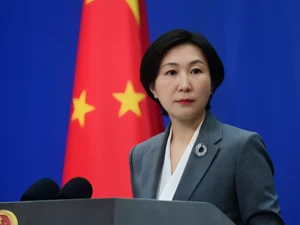
Chinese Foreign Ministry spokesperson Mao Ning described the April 1–7 meetings as conducted in a “sound atmosphere,” emphasizing a shared commitment to resolving disputes through dialogue and practical engagement.
The talks followed earlier high-level understandings involving Wang Yi, Ishaq Dar, and Amir Khan Muttaqi.
Delegations included officials from foreign affairs, defence, and security sectors—highlighting the breadth and seriousness of the discussions.
Terrorism Identified as Core Issue
A central focus of the dialogue was cross-border militancy, particularly the activities of Tehreek-e-Taliban Pakistan (TTP), which Islamabad considers a major threat to national security.
Pakistan reportedly presented three key demands to Afghan authorities:
- Officially designate TTP as a terrorist organization
- Dismantle its operational infrastructure
- Provide verifiable proof of action against the group
China identified terrorism as the “core issue” affecting bilateral ties, underscoring the urgency of coordinated action.
Framework for De-escalation and Cooperation
According to officials, both sides agreed on a broader framework aimed at stabilizing relations. Key elements include:
- Border de-escalation measures
- Counterterrorism cooperation
- Gradual restoration of trade routes
- Structured and humane refugee management
- Establishment of rapid communication channels
Afghan Foreign Ministry spokesperson Abdul Qahar Balkhi confirmed that discussions covered security, trade, and regional stability in a “constructive and collaborative environment.”
China’s Expanding Diplomatic Role
Beijing’s role as mediator reflects its growing influence in regional diplomacy. Officials from both Pakistan and Afghanistan praised Xi Jinping’s approach of resolving disputes through dialogue and “seeking common ground despite differences.”
China reiterated its willingness to continue facilitating dialogue and maintaining trilateral engagement to ensure progress.
Background: Rising Tensions and Military Action
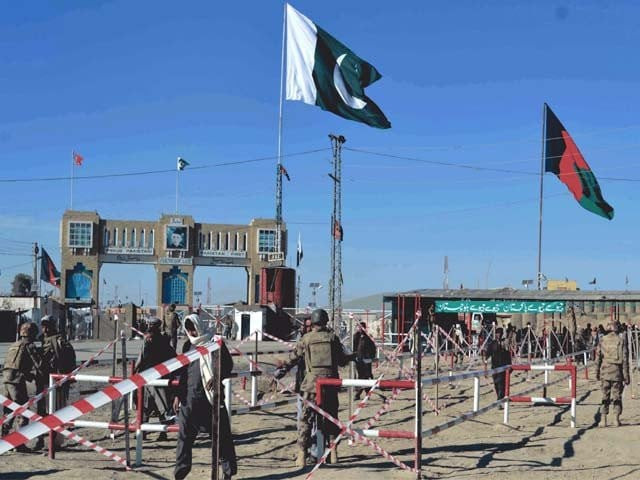
The talks come after months of strained relations, including cross-border tensions and security concerns.
Pakistan recently launched Operation Ghazab Lil Haq in response to alleged militant activity originating from Afghan territory, highlighting the urgency of diplomatic intervention.
Both sides have previously accused each other of failing to prevent the use of their soil for hostile activities, further complicating relations.
Next Steps and Outlook
Officials indicated that both countries have agreed to continue dialogue, with another round of talks expected later this month. Early signs suggest a willingness to pursue a comprehensive solution rather than piecemeal measures.
While challenges remain, the Urumqi process is being viewed as a “substantive” step toward rebuilding trust.
A Fragile but Promising Opening
The Urumqi talks represent a potential turning point in Pakistan-Afghanistan relations, particularly given China’s active mediation.
However, the success of this diplomatic effort will depend on tangible actions—especially on counterterrorism commitments. Without measurable progress, optimism could quickly fade.
At the same time, the inclusion of trade and refugee issues suggests a more holistic approach to conflict resolution, which could strengthen long-term stability.
For now, the talks offer a rare glimmer of détente in a relationship often defined by mistrust. Whether this momentum can be sustained will depend on political will, regional cooperation, and consistent follow-through.