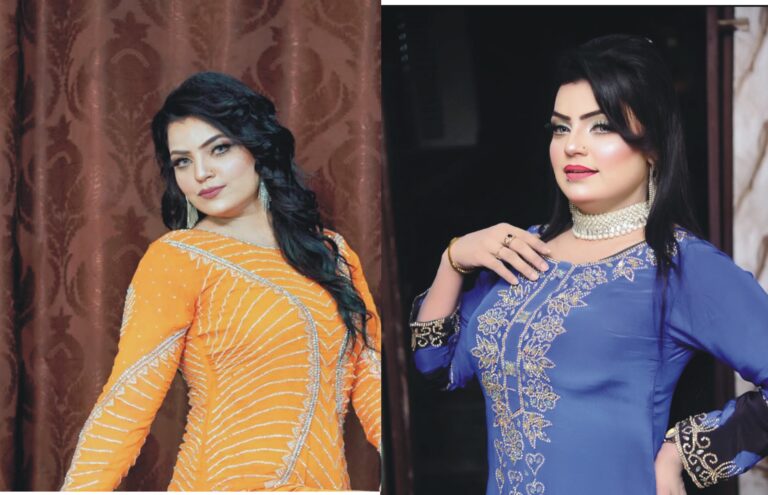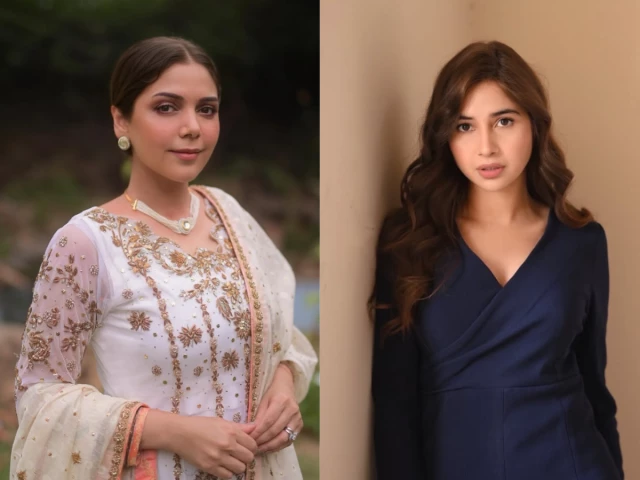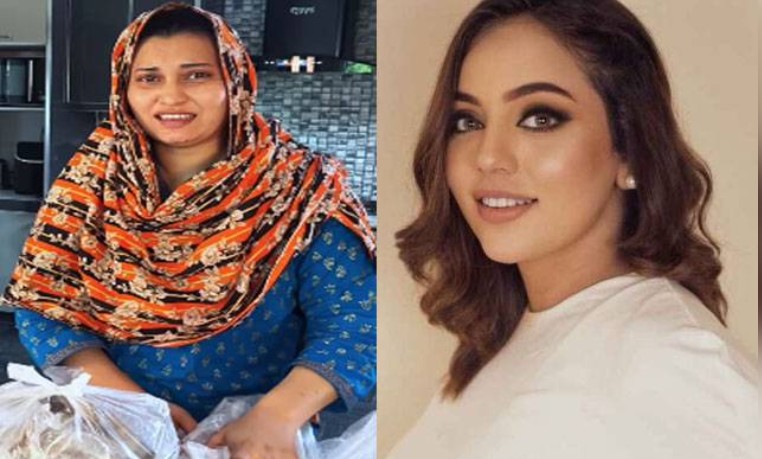
Pakistani actress Maryam Noor has publicly applauded the inspiring journey of a viral maid from DHA, who captured hearts with her heartfelt story of hope and determination. Known widely as the “DHA wali maid,” she shared a touching video about how she used to wash dishes in other people’s homes and secretly dreamt of having her own kitchen sink one day.
Her humble yet powerful story quickly went viral, resonating with millions who saw in her journey a symbol of hope and determination. The maid’s candid confession, “When I saw sinks in people’s homes, I wondered if I would ever have one too,” struck a chord far beyond social media.
Maryam Noor’s Response
Maryam Noor reposted this viral moment with a heartfelt message: “You are amazing. May Allah bless you with everything you dream of. I’m truly so happy for you.”
She also praised the woman who supported the maid by giving her space to create content from home, never holding her back, calling that support “something special.” The actress’s endorsement helped amplify the maid’s story, bringing it to an even wider audience.
A Story of Dreams and Determination
Her journey is not just about personal ambition but also reflects the everyday struggles and aspirations of many domestic workers across Pakistan. The “DHA wali maid” — named for the upscale Defence Housing Authority neighbourhood where she worked — represents thousands of domestic workers who perform essential labour in private homes while dreaming of better lives for themselves and their families.
What made her story particularly powerful was its specificity. She did not dream of wealth or fame. She dreamed of a kitchen sink — a simple fixture that many take for granted but that symbolised, for her, the dignity of having her own home, her own space, her own life.
Community Support
The support she received both from the community and from individuals like Maryam Noor, who praised her resilience, has helped amplify her voice and inspire countless others. The woman who employed her and gave her space to create content from home played a crucial role, demonstrating that support can come from unexpected places.
Social Media’s Power
This viral phenomenon highlights how social media can shine a spotlight on untold stories, transforming ordinary lives into powerful narratives of success and self-belief. In a digital landscape often dominated by influencers and celebrities, the “DHA wali maid” represents the democratising potential of platforms like Instagram and TikTok — where a single video can change a life.
Analysis: Beyond the Viral Moment
The “DHA wali maid” phenomenon is more than a feel-good story. It is a window into the lives of domestic workers in Pakistan — an estimated 8.5 million people, mostly women, who perform essential labour in private homes, often without legal protections, job security, or social safety nets.
Her dream of a kitchen sink may seem modest, but it represents something profound: the desire for dignity, autonomy, and a life beyond servitude. For domestic workers across Pakistan, her viral success offers hope that their stories matter, that their dreams are valid, and that change is possible.
Maryam Noor’s public support adds celebrity validation to a grassroots phenomenon. But the real power lies in the maid’s own words, her own face, her own story. She did not need a celebrity to speak for her. She spoke for herself — and millions listened.
As her journey continues, the “DHA wali maid” has become a symbol of what is possible when ordinary people share their truths. In a world that often overlooks domestic workers, her voice is a reminder that every person has a story worth telling.