In a development that could reshape Middle East geopolitics, the United States has confirmed it is actively considering Pakistan as the venue for a second round of high-stakes negotiations with Iran. The announcement comes amid fragile optimism for a diplomatic breakthrough—even as military pressure and regional tensions continue to escalate.
Washington signaled cautious confidence on Wednesday, describing ongoing discussions as “productive” and hinting that Islamabad may soon host another decisive round of talks aimed at ending months of conflict and instability.
Renewed Diplomatic Momentum Through Pakistan
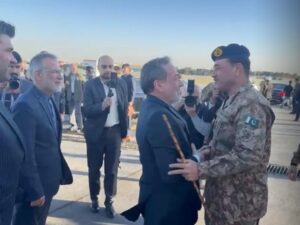
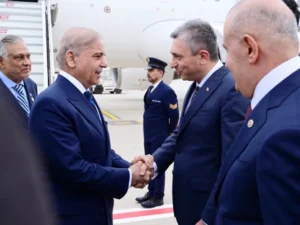
The White House emphasized that Pakistan has emerged as a central diplomatic bridge between Washington and Tehran. Officials credited Islamabad’s leadership with facilitating communication at a time when direct engagement remains politically sensitive and logistically complex.
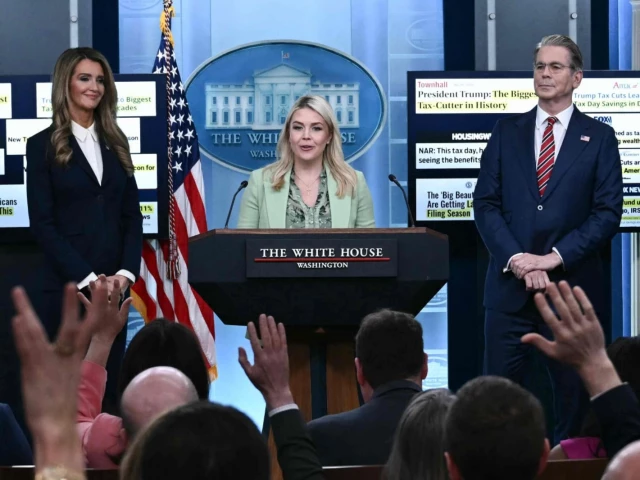
Press Secretary Karoline Leavitt noted that while multiple countries had offered to mediate, the U.S. administration prefers to streamline negotiations through a single, trusted intermediary—Pakistan.
Why Pakistan Matters
Pakistan’s growing diplomatic role reflects its strategic positioning and long-standing relationships across the Muslim world. Its involvement offers:
- Neutral ground acceptable to both sides
- Established backchannel communication networks
- Regional credibility amid broader geopolitical rivalries
This mediation effort has elevated Pakistan’s international standing, placing it at the center of one of the most consequential diplomatic efforts of the year.
Trump Signals Progress—but Keeps Pressure Intact
U.S. President Donald Trump struck a characteristically assertive tone, claiming that negotiations are advancing while simultaneously maintaining military leverage.
He suggested that the conflict is “very close to over,” though his administration has not ruled out further escalation if talks collapse. Trump also revealed that China has agreed not to supply weapons to Iran—an assertion that, if confirmed, could significantly alter the strategic balance.
Strategic Calculations Behind the Scenes
Trump’s dual-track approach—combining diplomacy with coercive measures—appears aimed at forcing Tehran into concessions. Key elements include:
- A naval blockade targeting Iran’s economic lifelines
- Diplomatic outreach via Pakistan
- Engagement with global powers like China
The president also highlighted an upcoming meeting with Chinese leadership, signaling that broader global coordination may be underway.
Iran Responds: Dialogue Without Submission
Iranian officials have maintained a measured stance, reiterating their openness to dialogue while firmly rejecting any form of coercion.
President Masoud Pezeshkian stated that Iran “does not seek war or instability,” but warned that attempts to impose external will would fail. Tehran continues to insist on its sovereignty, particularly regarding its nuclear program.
Core Disputes Still Unresolved
Despite diplomatic progress, major sticking points remain:
- Nuclear program limits: The U.S. proposes a 20-year suspension, while Iran suggests a shorter timeframe
- Sanctions relief: Tehran demands immediate lifting of international sanctions
- Security guarantees: Both sides seek assurances against future escalation
Iran has also criticized what it describes as “double standards” in international responses to civilian casualties and infrastructure damage.
Naval Blockade Raises Stakes in the Persian Gulf
Even as talks continue, the U.S. has intensified pressure by enforcing a naval blockade that effectively halts Iran’s maritime trade—an economic artery accounting for roughly 90% of its external commerce.
American military officials claim the blockade has already disrupted multiple shipments, including oil tankers attempting to navigate the region.
Risk of Escalation
Iran has issued strong warnings, stating that continued enforcement of the blockade could trigger retaliatory measures. Military leaders have threatened to disrupt shipping across critical waterways, including:
- The Persian Gulf
- The Sea of Oman
- The Red Sea
Such actions could have catastrophic implications for global trade, particularly energy supplies.
Global Markets and Strategic Waterways in Focus
The situation has placed the Strait of Hormuz—a vital corridor for global النفط and gas shipments—at the center of international concern.
Although tensions initially drove oil prices upward, recent diplomatic signals have helped stabilize markets. However, analysts warn that any miscalculation could rapidly reverse this trend.
Economic Ripple Effects
- Asia and Europe remain highly dependent on Gulf energy exports
- Shipping disruptions could trigger inflationary shocks worldwide
- Investor sentiment remains volatile amid uncertainty
International Reactions and Broader Implications
Global powers have responded with a mix of cautious optimism and concern. Several countries, including the UK, Canada, and Japan, have called for restraint and urged all parties to prioritize diplomatic solutions.
At the same time, ongoing regional conflicts—particularly in Lebanon—continue to complicate the situation. Israeli military actions against Iran-backed groups risk undermining ceasefire efforts and expanding the conflict’s scope.
The Road Ahead: Deal or Deepening Crisis?
Diplomatic insiders suggest that backchannel negotiations have made incremental progress, narrowing gaps between U.S. and Iranian positions. However, the path to a comprehensive agreement remains uncertain.
Vice President JD Vance acknowledged the deep mistrust between the two nations, warning that a resolution will not come overnight.
Possible Outcomes
- Negotiated Settlement: A phased agreement on nuclear limits and sanctions relief
- Prolonged Standoff: Continued talks with intermittent escalation
- Military Escalation: Collapse of diplomacy leading to broader conflict
As the world watches closely, Pakistan’s role as a diplomatic mediator could prove निर्णا in determining whether this crisis ends at the negotiating table or escalates into a wider confrontation.
For now, the balance hangs delicately between cautious optimism and looming خطر—where a single decision could reshape not just the Middle East, but the global order itself.