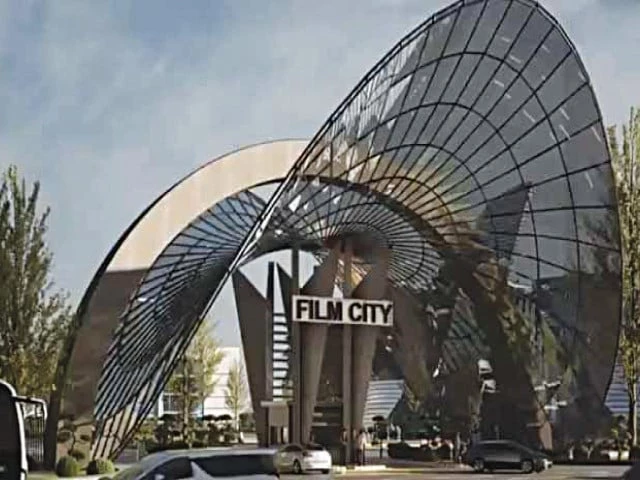
LAHORE – Punjab’s push to rebuild its long-neglected film and media landscape has taken a decisive turn, with the proposed Punjab Film City emerging as a flagship project designed to reshape production, infrastructure, and creative opportunity within a single, integrated ecosystem.
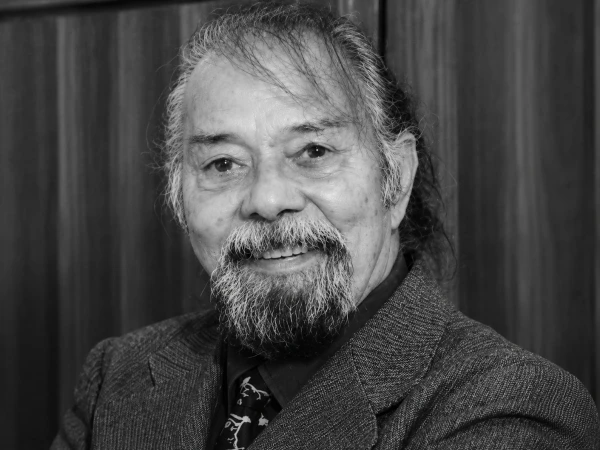
The initiative, formally discussed during a meeting between Chief Minister Maryam Nawaz and Oscar-winning filmmaker Sharmeen Obaid-Chinoy, places collaboration at its centre, with both sides engaging on the project’s planning and long-term direction for media development.
An ‘End-to-End’ Media Hub
According to an official statement, the chief minister framed the project as Pakistan’s first fully integrated “end-to-end” media production hub, bringing together film, television, digital media, virtual effects, and post-production under one coordinated framework.
The scale of ambition is reflected in the proposed infrastructure, which includes modern studios, sound stages, post-production laboratories, constructed sets, and a central lake designed to support large-scale shoots and varied production requirements.
Beyond Production
“A convention hall, media trade hub, and film and music school are also being built in Punjab Film City,” the chief minister said, outlining a vision that extends beyond production into training, exchange, and industry networking.
Location and Scale
Set within a 50-acre footprint in Lahore, the Film City is being developed as part of the wider Nawaz Sharif IT City, an 853-acre project aimed at integrating technology, education, and commercial activity into a unified economic zone. Officials say the goal is to enable local producers to complete entire projects domestically, reducing reliance on foreign facilities for visual effects and post-production work while strengthening Pakistan’s capacity for high-value media output.
Comprehensive Ecosystem
“The Punjab Film City project will provide facilities for film, TV, digital media, VFX, and post-production,” the chief minister stated in the meeting with Sharmeen Obaid-Chinoy, emphasising the breadth of services envisioned within the development. Planning documents further indicate that the project will include dedicated production houses, film schools, and music academies, forming a comprehensive ecosystem that connects education, production, and distribution within a single location.
Rebuilding a ‘Collapsed’ Industry
Senior Minister Marriyum Aurangzeb, while presenting the Punjab Film City Authority Bill 2026 in the provincial assembly, described the initiative as a long-term effort to rebuild what she termed a “collapsed” film industry that had suffered from decades of neglect. She told lawmakers that Pakistan’s failure to develop screen tourism and production capacity had weakened its global cultural presence, while also limiting opportunities for artists and technical professionals within the country.
Regulatory Framework
The proposed authority is expected to oversee film, television, and documentary production while introducing a regulatory and facilitation framework, including licensing systems and one-window operations to streamline approvals. Officials say that this framework will also provide funding support, grants, and incentives aimed at encouraging new productions and attracting both local and foreign investment into the sector.
Employment and Economic Ambitions
Beyond policy, the Film City is being positioned as a major employment generator, with projections suggesting thousands of direct and indirect jobs across production, post-production, and related creative industries. The project is also tied to broader economic ambitions, with authorities linking it to growth in adjacent sectors such as animation, gaming, and digital content creation, areas increasingly central to Pakistan’s evolving digital economy.
Planning and Financing
Planning for the development is being led by Nespak in collaboration with an international consultant, while implementation responsibilities have been assigned to the Punjab Central Business District Development Authority. Financing is expected to follow a mixed model, incorporating joint ventures, self-generation, and real estate investment trusts, alongside a proposed 10-year tax exemption designed to attract sustained investment.
Political Debate
The initiative has already sparked political debate, with the Film City Authority Bill passing through the Punjab Assembly after heated exchanges, procedural objections, and sharp criticism from the opposition benches. Despite the contention, the government has maintained that the project reflects detailed planning carried out over more than a year, positioning it as a cornerstone of efforts to revive the province’s creative economy.
Obaid-Chinoy’s Endorsement
During her interaction with the chief minister, Sharmeen Obaid-Chinoy described the broader cultural initiatives as “commendable,” adding that such efforts not only create entertainment opportunities but also reconnect people with their cultural roots.
“Chief Minister Maryam Nawaz Sharif is doing very good work,” she said, while also pointing to growing international interest in Pakistan’s cultural revival, including curiosity from prominent figures within the global entertainment industry.
Analysis: A Bold Vision for Pakistani Cinema
The Punjab Film City project represents a bold vision for the revival of Pakistani cinema. For decades, the country’s film industry has languished, unable to compete with Bollywood and Hollywood due to lack of infrastructure, investment, and government support.
The proposed facility — with its modern studios, sound stages, VFX labs, and post-production facilities — would enable local producers to complete entire projects domestically. The inclusion of a film school and music academy addresses the skills gap.
The location within the Nawaz Sharif IT City is strategic. The integration of media production with technology and education could create synergies that benefit both sectors.
The financing model — joint ventures, self-generation, real estate investment trusts, and a 10-year tax exemption — suggests a pragmatic approach. The government is not relying solely on public funds.
The political debate in the Punjab Assembly indicates that the project is not without controversy. But the fact that the bill passed suggests that there is cross-party support for reviving the industry.
Sharmeen Obaid-Chinoy’s endorsement is significant. As an Oscar-winning filmmaker with international credibility, her support could attract foreign investment and collaborations.
The challenge now is execution. The Punjab Film City is a multi-year project; its success will depend on consistent policy, timely implementation, and the willingness of producers to make the shift.
If successful, the Film City could transform Lahore into a regional production hub. If not, it will be another missed opportunity.