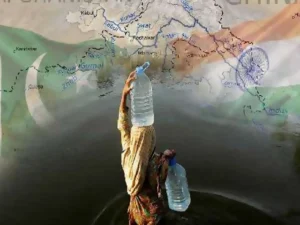
A sharp escalation in rhetoric between Pakistan and India has reignited fears of renewed instability in South Asia after Pakistan’s military issued a stern response to controversial remarks made by India’s army chief regarding Pakistan’s future existence.
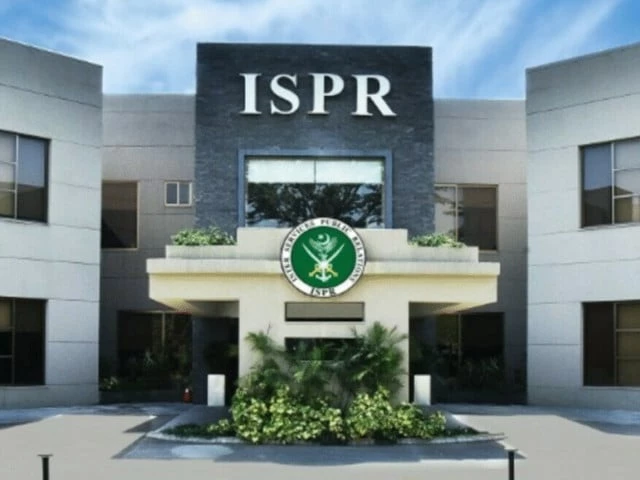
The Inter-Services Public Relations (ISPR) on Sunday condemned comments by Indian Army Chief Upendra Dwivedi, warning that any attempt at “geographic obliteration” of Pakistan would result in consequences that would be “mutual and comprehensive.”
The strongly worded statement marks one of the harshest public exchanges between the two nuclear-armed neighbors since the 2025 military confrontation that pushed South Asia dangerously close to wider conflict.
Indian Army Chief’s Remarks Trigger Diplomatic Firestorm
The controversy erupted during an interactive session in New Delhi where General Dwivedi was asked about India’s military posture in the event of future tensions similar to those surrounding “Operation Sindoor.”
During the discussion, the Indian army chief repeated New Delhi’s long-standing allegations regarding terrorism and stated that Pakistan “must decide whether it wants to remain part of geography or history.”
The comments quickly drew condemnation from Islamabad, which rejected the allegations and described the statement as provocative and dangerous.
Pakistan’s military accused the Indian leadership of failing to reconcile with Pakistan’s existence even after nearly eight decades since Partition.
ISPR Responds With Unusually Strong Language
In an unusually direct statement, the ISPR said Pakistan was already “an indelible part of South Asia’s geography and history” and remained a globally significant nuclear power despite what it described as “delusional and hallucinational” thinking within sections of India’s leadership.
The military’s media wing warned that rhetoric involving the elimination of a sovereign nuclear state was not strategic signaling but an example of “warmongering” and “bankruptcy of cognitive capacities.”
The statement further argued that responsible nuclear powers should demonstrate restraint, maturity, and strategic caution rather than employing language centered on national erasure and civilizational supremacy.
Analysts say the tone of the ISPR’s response reflects Islamabad’s determination to reinforce deterrence messaging amid growing military and political tensions in the region.
Shadow of the 2025 Conflict Still Looms
The latest verbal confrontation comes only months after the intense 2025 Pakistan-India military crisis, which followed the Pahalgam attack and escalated into cross-border hostilities before a ceasefire was reached in May.
Pakistan refers to the confrontation as Marka-e-Haq, while Indian officials continue to frame the events through their own military narrative.
Although open military clashes subsided after the ceasefire, diplomatic relations between Islamabad and New Delhi have remained severely strained.
Security experts note that military rhetoric on both sides has become increasingly aggressive since the conflict, particularly regarding deterrence and national security messaging.
Pakistan Accuses India of Regional Destabilization
The ISPR also accused India of contributing to instability across the region through what it described as support for terrorism, disinformation campaigns, and transnational operations.
Islamabad claimed New Delhi’s increasingly assertive posture reflected frustration over its inability to strategically weaken Pakistan during recent confrontations.
India has consistently denied similar accusations and maintains that Pakistan remains responsible for cross-border militancy and regional instability.
The continuing exchange of allegations has further reduced prospects for meaningful bilateral dialogue between the neighboring countries.
Concerns Grow Over Nuclear-Era Rhetoric
International observers and strategic analysts have expressed concern over the increasingly confrontational language emerging from senior military and political figures in both countries.
Pakistan and India possess significant nuclear arsenals and maintain one of the world’s most heavily militarized borders along the Line of Control in Kashmir.
Experts warn that inflammatory public statements can increase nationalist sentiment, narrow diplomatic space, and raise the risks of miscalculation during periods of heightened tension.
The latest exchange comes despite recent calls from some political and nationalist circles within India, including voices linked to the Rashtriya Swayamsevak Sangh (RSS), advocating renewed dialogue with Pakistan.
South Asia Faces Renewed Diplomatic Challenges
The renewed war of words highlights the fragile state of peace in South Asia at a time when both countries face mounting economic pressures, security concerns, and regional instability.
Diplomatic engagement between Islamabad and New Delhi has remained minimal since the 2019 constitutional changes in Indian-administered Kashmir and subsequent military escalations.
Global powers including the United States, China, and Gulf countries have repeatedly urged both nations to avoid provocative rhetoric and preserve ceasefire mechanisms.
Analysts believe the lack of sustained dialogue increases the possibility that future incidents could escalate rapidly without effective crisis management channels.
Analysis: Dangerous Rhetoric Raises Risks of Miscalculation
The latest confrontation illustrates how deeply mistrust remains embedded in Pakistan-India relations despite periodic ceasefires and diplomatic outreach efforts.
For Pakistan, the ISPR’s strong response appears intended to reinforce strategic deterrence and signal that threats to national sovereignty will be met with equally forceful messaging.
For India, experts say the rhetoric reflects a combination of domestic political pressures, military assertiveness, and ongoing tensions linked to regional security narratives.
However, strategic analysts warn that language involving “geographic elimination” between nuclear-armed states crosses a particularly sensitive threshold in international diplomacy.
At a time when South Asia remains vulnerable to sudden crises, maintaining strategic restraint and preserving communication channels may prove essential to preventing another dangerous escalation between the region’s two largest rivals.