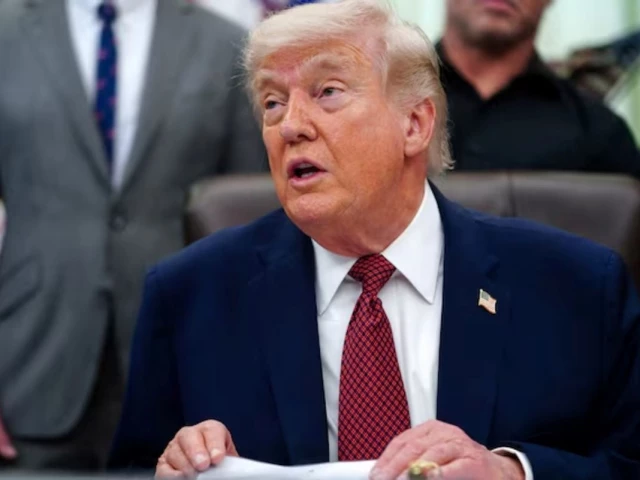
US President Donald Trump warned Tuesday that the United States could launch fresh military strikes against Iran within days if ongoing negotiations collapse, signaling that the diplomatic window to avoid another Middle East escalation may be rapidly narrowing.
Speaking at the White House, Trump revealed he had come “an hour away” from authorising a new military operation before delaying action after Gulf Arab allies requested additional time for diplomacy.
“Well, I mean, I’m saying two or three days, maybe Friday, Saturday, Sunday, something, maybe early next week,” Trump told reporters. “We can’t let them have a new nuclear weapon.”
The remarks come as indirect negotiations between Washington and Tehran continue amid a fragile ceasefire that has held since April following weeks of US-Israeli strikes on Iran and retaliatory regional attacks.
Trump Says Iran ‘Begging for a Deal’
Trump adopted an aggressive tone while insisting Iranian leadership was eager to avoid renewed war.
According to the US president, Tehran remains under heavy pressure after months of conflict that destabilized the Middle East, disrupted energy markets, and heightened fears of a wider regional confrontation.
The current ceasefire followed a major escalation earlier this year involving:
- US airstrikes
- Israeli military operations
- Iranian retaliation
- Regional proxy attacks
- Naval tensions in Gulf waters
Although active fighting has paused, diplomats warn the situation remains extremely fragile.
JD Vance Signals Cautious Optimism
While Trump emphasized military readiness, Vice President JD Vance struck a more measured tone.
Speaking during a White House briefing, Vance said “a lot of progress” had been made in negotiations and suggested neither side truly wanted a return to open war.
However, he acknowledged ongoing uncertainty surrounding Iran’s internal political direction.
“The Iranians aren’t themselves quite clear in what direction they want to go,” Vance said.
He reiterated that Washington’s central objective remained preventing Iran from acquiring nuclear weapons.
“We want to keep the number of countries that have nuclear weapons small,” he added.
Iran Warns of Broader Retaliation
Iranian officials responded sharply to Trump’s comments, warning that any renewed military action would trigger a much wider response from Tehran.
Iran’s military spokesperson declared that the country would “open new fronts” against the United States if attacks resumed.
Officials also claimed Iran had used the ceasefire period to strengthen military readiness and prepare for potential escalation.
Meanwhile, Iranian Deputy Foreign Minister Kazem Gharibabadi accused Washington of disguising threats as diplomacy.
“He is presenting a threat as a chance for peace,” Gharibabadi reportedly said in response to Trump’s remarks.
Disputes Continue Over Nuclear Conditions
According to Iranian media reports, negotiations remain deadlocked over several major issues.
Tehran’s latest reported demands include:
- Lifting of US sanctions
- Release of frozen Iranian assets
- Reparations for wartime damage
- Withdrawal of US forces near Iran
- Recognition of Iranian regional sovereignty
Meanwhile, reports suggest Washington has demanded:
- Closure of most Iranian nuclear facilities
- Transfer of enriched uranium abroad
- Strict restrictions on nuclear activity
- Expanded verification mechanisms
Iran reportedly rejected parts of the American proposal as “excessive.”
Pakistan and Gulf States Continue Mediation
Despite rising tensions, indirect diplomacy remains active through intermediaries including Pakistan and Gulf Arab states.
Pakistani officials have played an increasingly visible role in relaying proposals and facilitating communication between Tehran and Washington.
Qatar also acknowledged ongoing Pakistani-backed mediation efforts, saying additional time was needed for diplomacy to succeed.
Regional diplomats continue pushing for de-escalation to prevent another military crisis that could destabilize the broader Middle East.
Strait of Hormuz Remains a Global Flashpoint
The standoff has intensified international concern over the Strait of Hormuz — one of the world’s most strategically important oil transit routes.
Iran maintains strong military influence around the waterway, while the United States has expanded naval operations targeting Iranian shipping activity.
Energy analysts warn that renewed conflict in the Gulf could:
- Disrupt global oil supplies
- Increase shipping costs
- Fuel inflation worldwide
- Destabilize international markets
Oil prices have already experienced volatility during the ceasefire period due to uncertainty surrounding future military action.
Domestic Pressure Growing Inside the US
The Iran crisis is also creating political pressure inside the United States.
A new Reuters/Ipsos poll released Tuesday showed Trump’s approval rating falling to 35%, approaching the lowest levels of his current presidency.
Rising fuel prices and fears of another prolonged Middle East conflict appear to be contributing to growing public concern.
At the same time, controversy continues over civilian casualties linked to US military operations during the conflict.
Questions Persist Over Civilian Deaths
During a congressional hearing, Admiral Brad Cooper declined to directly accept responsibility for a strike on a school in Minab that reportedly killed 155 people, including children.
Cooper stated the site was located near an active Islamic Revolutionary Guard Corps missile base and said investigations into the incident remain ongoing.
Democratic lawmakers criticized the administration for failing to formally acknowledge responsibility for civilian casualties.
Diplomacy and Military Pressure Colliding
Trump’s latest warning underscores how close the United States and Iran may be to another dangerous escalation despite ongoing diplomatic engagement.
The situation reflects a familiar pattern:
- Diplomacy continues publicly
- Military preparations intensify simultaneously
- Regional allies push for restraint
- Both sides attempt to negotiate from positions of pressure
For Washington, preventing Iran from advancing nuclear capabilities remains the core strategic priority.
For Tehran, preserving sovereignty, sanctions relief, and regional influence remain equally non-negotiable objectives.
The involvement of mediators such as Pakistan and Gulf states suggests many regional actors fear the consequences of another war could extend far beyond Iran and the United States.
With military threats increasing and diplomacy under pressure, the coming days may determine whether the Middle East moves toward renewed conflict — or a fragile diplomatic breakthrough.