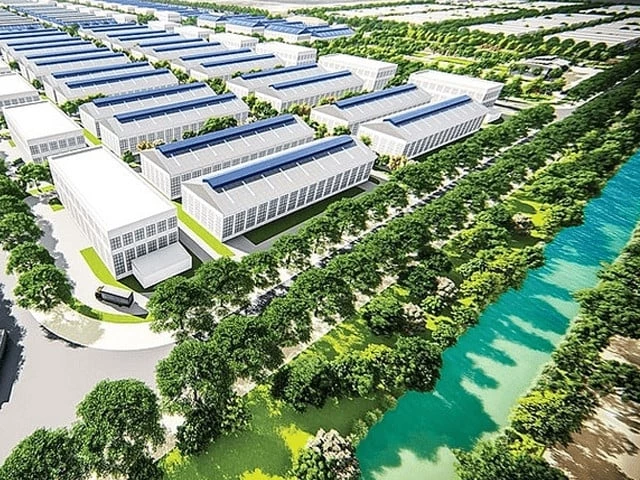
The Punjab Environment Protection Agency has ordered the creation of green environmental buffer zones around industrial areas across Punjab in a major move aimed at reducing pollution and improving public health.
The initiative, announced under the Punjab Environmental Protection Act 1997, requires industrial estates and factories to establish large-scale green belts around their premises to help absorb harmful emissions and reduce environmental damage.
Officials say the policy forms part of the Punjab government’s expanding anti-pollution campaign as worsening air quality continues affecting millions of residents, particularly in major urban centers such as Lahore.
Punjab EPA Orders Mandatory Green Belts
According to directives issued by EPA Director General Dr Imran Hamid Sheikh, industrial zones across the province will now be legally required to establish environmental buffer belts around factories and industrial estates.
The green zones are intended to reduce the impact of:
- Smoke emissions
- Toxic industrial gases
- Dust pollution
- Chemical contaminants
- Noise pollution
Environmental officials believe the plantation-driven approach can help improve air quality while creating a healthier balance between industrial growth and urban living.
Industries Face Legal Action for Non-Compliance
Authorities warned that strict action would be taken against industries and institutions failing to comply with the new environmental directives.
Under the policy:
- Factories must conduct large-scale plantation drives
- Unauthorized tree cutting has been prohibited
- Damage to green belts may trigger legal action
- Industries missing plantation targets could face penalties
Officials also announced that encroachments on green zones surrounding industrial estates would not be tolerated.
The EPA has instructed field inspection teams to begin monitoring implementation across Punjab.
Lahore’s Pollution Crisis Drives Urgency
The decision comes amid growing concern over worsening air pollution levels in Punjab, especially in Lahore, which frequently ranks among the world’s most polluted cities during winter smog season.
Environmental experts say industrial emissions remain one of the biggest contributors to deteriorating urban air quality alongside:
- Vehicular smoke
- Construction dust
- Crop burning
- Commercial emissions
Officials say densely populated areas near industrial zones are particularly vulnerable to respiratory illnesses and long-term environmental damage.
GIS Mapping to Identify High-Risk Areas
To strengthen monitoring and enforcement, Punjab authorities have assigned the GIS Department the task of digitally mapping industrial zones and identifying areas requiring urgent environmental intervention.
Officials say the data-driven approach will help regulators:
- Monitor pollution hotspots
- Track compliance levels
- Identify illegal industrial activity
- Plan future environmental reforms
The use of surveillance and mapping technology reflects the government’s broader shift toward technology-based environmental monitoring systems.
Punjab Expands Province-Wide Anti-Pollution Campaign
The industrial green zone initiative is part of a wider environmental crackdown currently underway across Punjab.
In recent months, the EPA has accelerated efforts targeting:
- Plastic pollution
- Vehicular emissions
- Illegal industrial practices
- Waste management violations
Authorities previously announced a ban on plastic bags thinner than 75 microns as part of efforts to reduce plastic waste in commercial areas.
According to official data, the EPA conducted:
- 3,612 inspections during the first four months of the year
- Confiscated over 937,000 kilograms of plastic bags
- Issued 189 notices
- Imposed fines totaling Rs3 million
- Sealed 26 premises
- Registered seven FIRs against violators
Crackdown on Smoke-Emitting Vehicles Intensifies
The Punjab EPA has also expanded action against vehicle emissions, another major contributor to urban smog.
A new monitoring desk established at the Punjab Safe Cities Authority now uses surveillance systems to identify smoke-emitting vehicles and issue electronic challans.
Officials confirmed that during the current month:
- 211 vehicles were fined
- More than Rs1 million in penalties were imposed
The move reflects growing efforts to integrate environmental enforcement with digital surveillance infrastructure.
Air Quality Still a Major Challenge
Despite ongoing measures, air quality levels remain a serious concern across South Asia.
According to recent readings:
- Lahore recorded an AQI of 83
- Karachi recorded an AQI of 90
- Riyadh topped global pollution rankings with AQI 153
While Lahore’s latest readings fell within the “moderate” category, experts warn that seasonal smog conditions can rapidly worsen during colder months.
Environmentalists Welcome Initiative — But Want Enforcement
Environmental advocates have largely welcomed the industrial green belt initiative but stress that enforcement will determine whether the policy succeeds.
Previous anti-pollution drives in Pakistan have often faced criticism due to:
- Weak implementation
- Political pressure
- Inconsistent inspections
- Lack of long-term planning
- Industrial resistance
Experts say sustained monitoring and legal accountability will be critical if Punjab hopes to achieve meaningful environmental improvement.
Analysis: Punjab Shifts Toward Preventive Environmental Policy
The new buffer zone policy signals a broader shift in Punjab’s environmental strategy from reactive crisis management toward preventive urban planning.
Rather than focusing solely on fines and temporary crackdowns, the government now appears increasingly interested in integrating green infrastructure into industrial development itself.
The use of plantations and environmental buffer zones reflects global urban sustainability practices aimed at reducing pollution exposure in heavily industrialized regions.
However, environmental analysts caution that plantation campaigns alone will not solve Punjab’s pollution crisis unless accompanied by:
- Cleaner industrial technology
- Stronger emissions standards
- Better waste management
- Sustainable urban transport reforms
Still, the initiative represents one of the province’s more ambitious environmental interventions in recent years and could become a major test case for future anti-pollution policy in Pakistan.