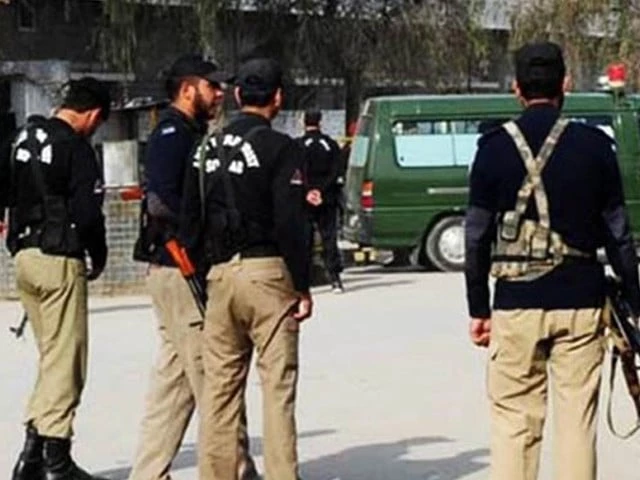
Authorities in Balochistan have placed police and security agencies on high alert after intelligence reports warned of possible terrorist attacks targeting major highways and sensitive locations across the province and neighboring Khyber Pakhtunkhwa.
According to an official communication issued by the Central Police Office Balochistan, intelligence agencies received credible information indicating that the banned militant group Fitna al-Khawarij may be planning attacks involving improvised explosive devices (IEDs).
Major Highways and Sensitive Areas Identified
The threat alert specifically identified several strategic routes and locations as potential targets, including:
- Quetta-Chaman Highway
- Quetta-Pishin Road
- Saranan
- Mazai Adda
Officials warned that terrorist elements may attempt to plant explosive devices along highways and at sensitive public or security locations.
The alert also cautioned that law enforcement personnel themselves could become direct targets.
Security Agencies Ordered to Intensify Operations
In response, the Central Police Office instructed:
- District police chiefs
- Security agencies
- Field units
- Counterterrorism teams
to immediately strengthen security arrangements across vulnerable areas.
Authorities were ordered to:
- Increase surveillance
- Expand highway patrolling
- Enhance intelligence monitoring
- Conduct preventive security operations
- Improve checkpoint vigilance
Police officials have also been directed to submit detailed security preparedness reports to the Inspector General of Police within five days.
Heightened Regional Security Concerns
The latest alert comes amid ongoing security concerns in Pakistan’s western regions, particularly in Balochistan and Khyber Pakhtunkhwa, where militant attacks have periodically targeted:
- Security forces
- Infrastructure
- Public transport routes
- Government installations
Balochistan’s strategic highways are especially sensitive because they connect:
- Border trade routes
- Military supply lines
- Economic corridors
- Regional transport networks
IED Threats Remain Major Concern
Improvised explosive devices remain one of the most dangerous tactics used by militant groups in Pakistan’s border regions.
Security analysts say IED attacks pose significant challenges because they:
- Can be concealed easily
- Disrupt civilian and commercial movement
- Target security convoys
- Create psychological fear
The Quetta-Chaman Highway, in particular, serves as a critical route linking Pakistan with Afghanistan and remains strategically important for trade and regional movement.
Security Measures Expected to Increase
Officials are expected to enhance:
- Roadside inspections
- Vehicle checking
- Patrol frequency
- Intelligence coordination
- Monitoring of suspicious movement
Additional deployment of police and paramilitary personnel may also occur along sensitive corridors.
Authorities have urged vigilance while avoiding public panic.
Balochistan Faces Persistent Security Challenges
Balochistan has long faced complex security challenges involving:
- Militancy
- Sectarian violence
- Cross-border threats
- Separatist insurgencies
- Attacks on infrastructure projects
The province’s strategic importance has grown further because of:
- Regional connectivity projects
- Border trade
- Energy routes
- Security cooperation initiatives
Recent security concerns have also emerged amid broader regional instability linked to developments involving Afghanistan and neighboring regions.
Law Enforcement Focuses on Preventive Action
Officials say the current emphasis is on prevention and rapid response.
Security institutions have increasingly adopted:
- Intelligence-led policing
- Advanced surveillance systems
- Inter-agency coordination
- Rapid deployment mechanisms
Counterterrorism operations in both Balochistan and Khyber Pakhtunkhwa have intensified over recent months following warnings of renewed militant activity.
Analysis: Western Pakistan Remains Under Security Pressure
The latest threat alert underscores continuing security pressures facing Pakistan’s western provinces despite ongoing counterterrorism operations.
Highways and transport corridors remain particularly vulnerable because they are:
- Difficult to fully secure
- Economically vital
- Symbolically important targets
The focus on preventive deployment suggests authorities are attempting to disrupt potential attacks before execution rather than responding after incidents occur.
Analysts note that maintaining security along Balochistan’s transport network is increasingly critical not only for public safety but also for:
- Economic stability
- Investor confidence
- Regional trade
- Strategic infrastructure protection
The warning also reflects broader concerns that militant groups may attempt to exploit ongoing regional instability to intensify attacks inside Pakistan.