TEHRAN: Iran has declared that any future agreement with the United States aimed at ending the ongoing regional conflict must include guarantees for a ceasefire in Lebanon, underscoring the growing linkage between diplomatic negotiations and security developments across the Middle East.
Speaking at a press conference, Iranian Foreign Ministry spokesman Esmaeil Baghaei stated that Tehran considers stability in Lebanon a non-negotiable component of any broader settlement.
“We insist that a ceasefire in Lebanon is an essential condition for any deal aimed at ending the war,” Baghaei said.
Lebanon Emerges as Key Obstacle in US-Iran Negotiations
Iran’s position reflects the increasingly interconnected nature of regional conflicts.
While negotiations between Washington and Tehran have focused on:
- Regional security
- Military de-escalation
- Economic sanctions
- Maritime stability
Iran now appears to be making developments in Lebanon a central condition for progress in broader talks.
Fighting Continues Despite Ceasefire
Although a ceasefire was reached in mid-April, clashes between Israel and the Iran-backed Hezbollah have continued.
According to reports:
- Cross-border attacks have persisted
- Drone strikes and military operations continue
- Civilian displacement remains significant
- Casualties continue to rise
US Pushes New De-Escalation Proposal
Meanwhile, Marco Rubio has reportedly been involved in diplomatic efforts aimed at reducing tensions between Israel and Lebanon.
According to US officials, Washington has proposed a gradual de-escalation framework that would include:
- Suspension of attacks by Hezbollah
- Israeli restraint from expanding operations in Beirut
- Continued diplomatic engagement
- Preservation of the existing ceasefire framework
Beirut at Center of Tensions
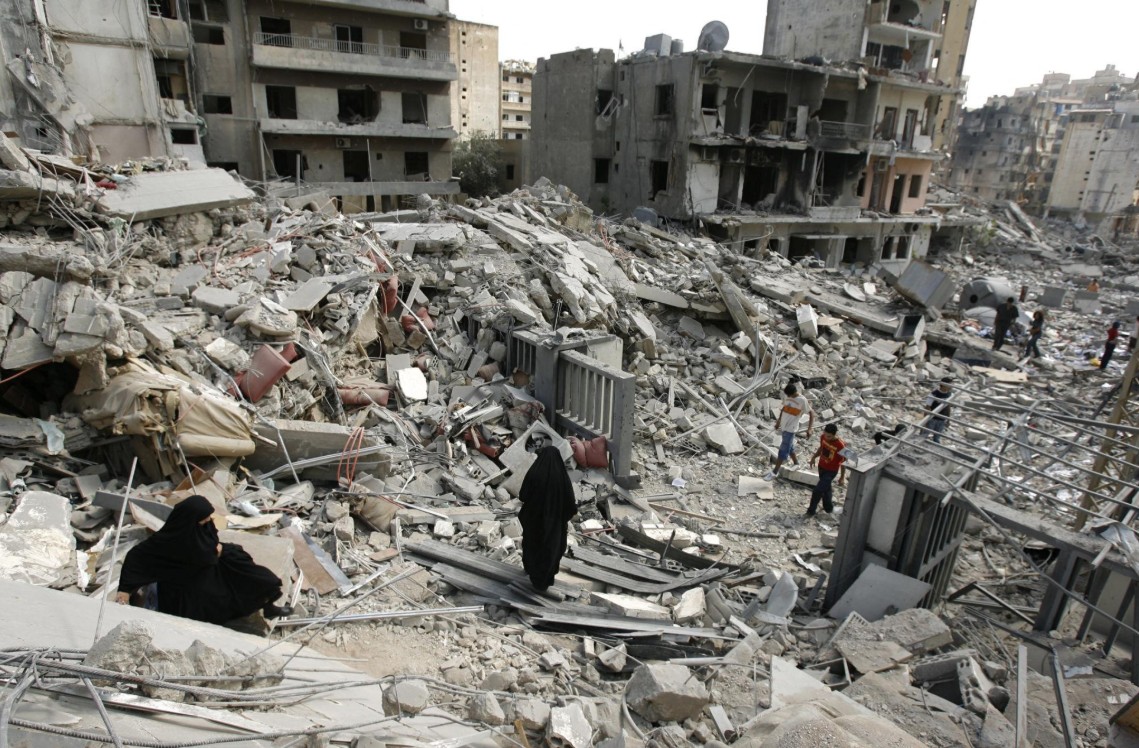
The issue has become more urgent following reports that Israeli Prime Minister Benjamin Netanyahu ordered military operations targeting areas in Beirut’s southern suburbs.
Israeli authorities argue such actions are responses to continued attacks, while Lebanon and its allies view them as violations of the ceasefire agreement.
Regional Conflict Expands Beyond Lebanon
The diplomatic dispute unfolds amid continued military exchanges between Iran and the United States.
Recent developments include:
- US strikes on Iranian military assets
- Iranian retaliatory actions against regional facilities
- Increased air defense activity across Gulf states
- Concerns over maritime security
Iran maintains that attacks against facilities used to launch operations against it constitute legitimate self-defense under international law.
Economic Concerns Intensify
The conflict continues to affect global markets.
Analysts point to concerns involving:
- Energy supply disruptions
- Shipping routes in the Gulf
- Oil price volatility
- Investor uncertainty
Oil prices have remained sensitive to developments in negotiations and military activity across the region.
Trump Calls for Patience
Donald Trump has continued to express optimism regarding negotiations.
In recent remarks, Trump suggested that Iran remains interested in reaching an agreement while urging critics to remain patient as diplomatic efforts continue.
However, major differences reportedly remain over:
- Sanctions relief
- Frozen Iranian assets
- Nuclear issues
- Regional security arrangements
- The future of Lebanon’s ceasefire
Analysis: Lebanon Becoming the Deciding Factor
Iran’s latest position suggests that negotiations with Washington are no longer limited to bilateral concerns.
Instead, Tehran appears to be linking:
- Lebanon’s security situation
- Hezbollah’s role
- Israeli military operations
- Regional stability
into a single diplomatic framework.
For US mediators, this creates a more complex challenge because progress now depends not only on direct US-Iran discussions but also on developments involving Israel and Lebanon.
Diplomatic observers believe that preserving the Lebanese ceasefire could become one of the most critical tests for achieving a broader regional settlement in the months ahead.