ISLAMABAD: The federal government on Friday unveiled a new Small Trader Scheme aimed at expanding the tax base and increasing revenue collection, under which eligible retailers will pay a fixed 1% tax on sales in exchange for simplified compliance requirements and protection from routine tax audits.
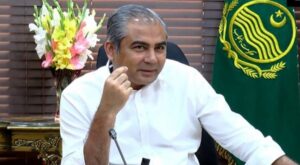
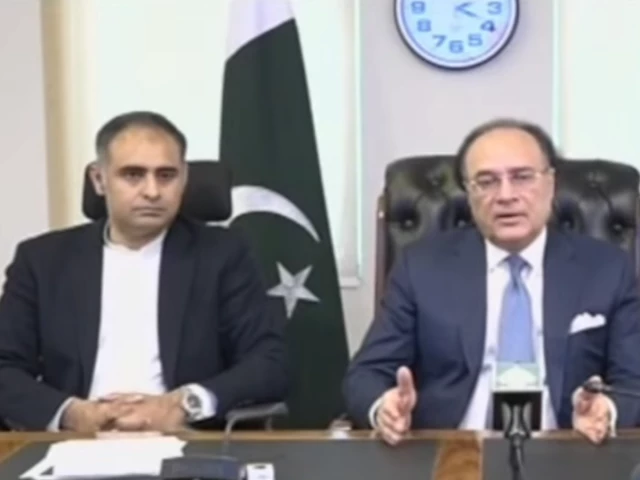
The scheme was announced by Muhammad Aurangzeb during a press conference alongside Minister of State for Finance Bilal Azhar Kayani.
Officials estimate that the initiative could generate approximately Rs50 billion annually while encouraging thousands of small businesses to enter the formal tax system.
Who Can Join the Scheme?
According to the government, the scheme is designed specifically for small retailers operating a single shop with annual sales below Rs200 million over the previous three consecutive years.
Eligible traders will pay:
- 1% tax on total annual sales
- Minimum annual tax of Rs25,000
- Simplified one-page tax return
Participation will remain voluntary, allowing traders to either join the scheme or continue filing standard income tax returns.
Benefits for Traders
The government says the initiative offers several incentives to encourage compliance:
✅ Exemption from routine tax audits
✅ No requirement to install Point-of-Sale (POS) systems
✅ No obligation to act as withholding tax agents
✅ Simplified tax filing process
✅ Protection from unnecessary inspections by tax officials
Officials stated that traders registered under the scheme will receive an official Federal Board of Revenue (FBR) plate displaying their business details, National Tax Number (NTN), and a QR code.
Audit Protection with Exceptions
Authorities emphasized that participants will generally be protected from routine audits.
However, audits may still be conducted under specific circumstances, including:
- Risk-based selection
- Significant economic discrepancies
- Credible information about undeclared assets or income
Disputes arising under the scheme will be resolved through mediation involving trader representatives and tax authorities.
Strict Penalties for Non-Compliance
The government also announced a penalty framework for participants who violate the scheme’s conditions.
Penalties include:
| Violation Period | Penalty |
|---|---|
| First Month | Rs10,000 |
| Second Month | Rs25,000 |
| Subsequent Months | Rs50,000 per month |
Officials warned that traders who fail to file returns, conceal sales, or violate scheme requirements may lose eligibility and become subject to standard tax laws and enforcement actions.
Not a Tax Amnesty
Senior FBR officials clarified that the programme should not be viewed as a tax amnesty.
Dr. Hamid Ateeq Sarwar, Member Reforms at the Federal Board of Revenue, stressed that the scheme is intended to improve compliance and broaden the tax net rather than forgive past tax liabilities.
Second Attempt to Tax Retail Sector
The initiative follows the government’s earlier Tajir Dost Scheme, which failed to achieve expected results in bringing traders into the documented economy.
Officials said the new framework was developed after extensive consultations with trader associations and business representatives.
Revenue and Economic Impact
The retail sector remains one of Pakistan’s largest yet least documented segments of the economy. Authorities hope the simplified tax model will encourage voluntary registration, improve documentation, and increase government revenues without placing excessive compliance burdens on small businesses.
The scheme is scheduled to take effect from Fiscal Year 2026, with the government expecting significant participation from retailers across the country.