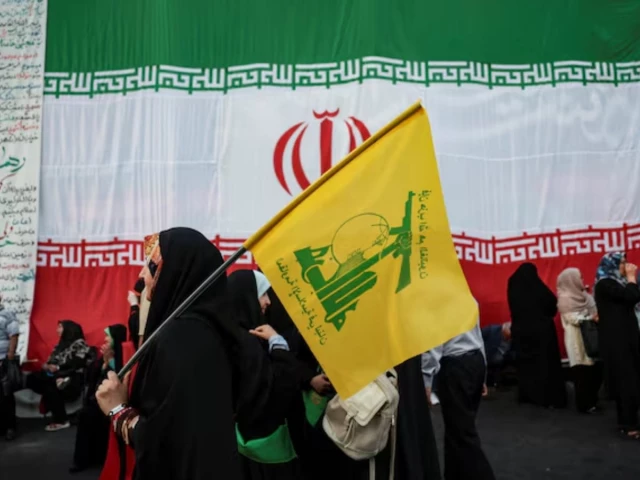
TEHRAN: Iran has reaffirmed its support for its Lebanese ally Hezbollah and renewed calls for an Israeli withdrawal from southern Lebanon, highlighting growing challenges facing efforts to secure a broader peace agreement aimed at ending months of regional conflict.
The latest developments come as indirect negotiations continue between Washington and Tehran over a potential interim deal designed to reduce tensions in the Middle East and restore stability to key regional trade routes, including the strategically important Strait of Hormuz.
Iran Links Peace Deal to Lebanon Ceasefire
Iranian Foreign Minister Abbas Araghchi stated that any lasting resolution to the conflict must include an end to hostilities in Lebanon and the withdrawal of Israeli forces from Lebanese territory.
Speaking to Lebanese broadcaster Al Mayadeen, Araghchi said that peace efforts could not be separated from developments in Lebanon.
“This war will end only when it ends in Lebanon as well,” he said, adding that Israeli forces must leave occupied areas in southern Lebanon as part of any comprehensive settlement.
Iran has reportedly made a ceasefire between Israel and Hezbollah a key condition in discussions surrounding a wider regional agreement.
Hezbollah Rejects Proposed Agreement
The comments followed the rejection of a US-mediated proposal by Hezbollah leader Naim Qassem.
According to reports, the proposed arrangement sought to halt fighting between Israel and Lebanon but did not include a complete Israeli military withdrawal from southern Lebanese territory.
Hezbollah criticized the proposal and argued that it failed to address core issues affecting Lebanon’s sovereignty and security.
Israel, meanwhile, has continued military operations in southern Lebanon and indicated that it has no immediate plans to withdraw its forces from the area.
Tehran Reaffirms Commitment to Hezbollah
Iranian officials also reiterated support for Hezbollah, describing the group as a longstanding ally.
Mohsen Rezaei, an adviser to Iran’s Supreme Leader, said Hezbollah had made significant sacrifices during the conflict and emphasized Tehran’s commitment to supporting its regional partners.
He warned against any expansion of Israeli military operations into Beirut, stating that Lebanon would remain an essential component of any future ceasefire arrangement.
Regional Tensions Continue Despite Diplomatic Efforts
While diplomatic efforts continue, violence has persisted across several parts of the region.
Recent weeks have witnessed renewed exchanges involving Iranian and US forces in the Gulf, while residents in Gaza, northern Israel, Lebanon, and other areas have continued to face security threats despite various ceasefire initiatives.
The conflict has significantly disrupted commercial shipping through the Strait of Hormuz, one of the world’s most critical energy corridors.
Before the crisis, the waterway handled roughly 20 percent of global oil and liquefied natural gas supplies. Reduced traffic through the strait has contributed to higher energy prices and growing concerns over global supply chains.
Economic Impact Deepens
International organizations have warned that prolonged instability is creating serious economic consequences beyond the region.
The United Nations World Food Programme has cautioned that rising fuel and transportation costs are increasing food insecurity in vulnerable countries and pushing millions closer to hunger.
Global markets remain sensitive to developments in the Gulf, with investors closely monitoring negotiations between Washington and Tehran.
Nuclear Dispute Remains Unresolved
Alongside efforts to secure a ceasefire, discussions continue over Iran’s nuclear programme.
US President Donald Trump has reiterated that preventing Iran from acquiring nuclear weapons remains Washington’s top priority. However, Tehran maintains that its nuclear activities are exclusively for peaceful purposes.
Iranian officials have repeatedly stated that uranium enrichment is a sovereign right and remain opposed to demands that would significantly limit the country’s nuclear programme.
Despite ongoing diplomatic contacts, major differences remain between the two sides, leaving uncertainty over whether a comprehensive agreement can be reached in the near future.
Outlook
As negotiations continue, the situation in Lebanon appears increasingly central to broader efforts aimed at ending regional hostilities. Analysts say any future agreement will likely require progress on multiple fronts, including Lebanon, Gaza, maritime security, sanctions relief, and the Iranian nuclear issue.
With fighting continuing across several theatres and key issues still unresolved, the prospects for a lasting peace agreement remain uncertain.