As pet owners, we share our homes and hearts with our furry family members. We know their favorite sleeping spots, the sound of their happy bark or contented purr, and the exact look they give us when they want a treat. But protecting them requires more than just love; it requires understanding the threats we can’t always see.
While issues like fleas, ticks, and upset stomachs are common nuisances, some health problems are silent, progressive, and far more dangerous. Among the most serious is a threat that is completely preventable yet remains a leading health concern for dogs (and occasionally cats) across the country: Heartworm disease.
Here’s what you need to know about this deadly parasite, why prevention is critical, and how to keep your best friend safe.
The Silent Invader: What Are Heartworms?
Heartworms are exactly what they sound like: parasitic worms that live in the heart, lungs, and associated blood vessels of infected animals. They are not picky about their hosts—coyotes, foxes, wolves, and domestic dogs are all susceptible. Cats can get them too, though the biology of the infection differs slightly.
These worms can grow up to a staggering 12 to 14 inches in length. An infestation, which can number in the hundreds, causes severe lung disease, heart failure, and damage to other organs in the body. If left untreated, heartworm disease is almost always fatal.
How Heartworm Disease Spreads (It’s Simpler Than You Think)
This is the part that surprises many owners. Your pet cannot catch heartworms directly from another animal. The disease relies on a middleman: the mosquito.
- The Bite: A mosquito bites an infected animal (like a stray dog or wild coyote) and ingests microscopic baby heartworms (called microfilariae) along with their blood.
- The Development: Over the next 10 to 14 days, these larvae develop inside the mosquito into an infective stage.
- The Transmission: When that mosquito bites your dog or cat, it injects the infective larvae into your pet’s bloodstream.
- The Journey: Over the next 6 to 7 months, these larvae mature into adult heartworms, settle into the heart and lungs, and begin to reproduce, starting the cycle all over again.
Key Takeaway: If you live in a place with mosquitoes (and that includes almost everywhere), your pet is at risk. It takes just one infected mosquito to transmit the disease.
Spotting the Signs: Symptoms to Watch For
In the early stages of infection, many pets show little to no symptoms. This is what makes the disease so insidious—by the time signs appear, the disease is often advanced.
In dogs, symptoms include:
- A mild, persistent cough
- Reluctance to exercise or tiring easily
- Decreased appetite and weight loss
- A swollen belly due to fluid buildup (heart failure)
- In severe cases, collapse or coughing up blood
In cats, symptoms can be more subtle or sudden and may mimic asthma or other respiratory conditions:
- Coughing and wheezing
- Vomiting (unrelated to eating)
- Lethargy and lack of appetite
- Difficulty walking or fainting
- Sudden collapse or death (cats are often diagnosed posthumously, as there is no approved treatment for them).
Prevention is the Only Protection
Treating heartworm disease in dogs is possible, but it is difficult, expensive, and painful for the animal. The treatment involves a series of deep intramuscular injections of an arsenic-based drug to kill the adult worms. It requires months of strict exercise restriction (no running, playing, or even excited walks) to prevent dead worms from causing a fatal blockage in the lungs.
For cats, there is no approved treatment. Prevention is the only option.
Prevention, thankfully, is safe, easy, and affordable. Options include:
- Monthly Topicals: Liquids applied to the skin.
- Monthly Chewables: Tasty tablets that dogs love (making them feel like a treat).
- Twice-Yearly Injections: An injection administered by your veterinarian that provides six months of protection.
The Golden Rule of Prevention: Before starting a heartworm preventative, your vet will need to perform a simple blood test to ensure your pet is not already infected. Giving a preventative to a heartworm-positive dog can cause a severe, life-threatening reaction.
Beyond the Heartworm: A Holistic View of Pet Health
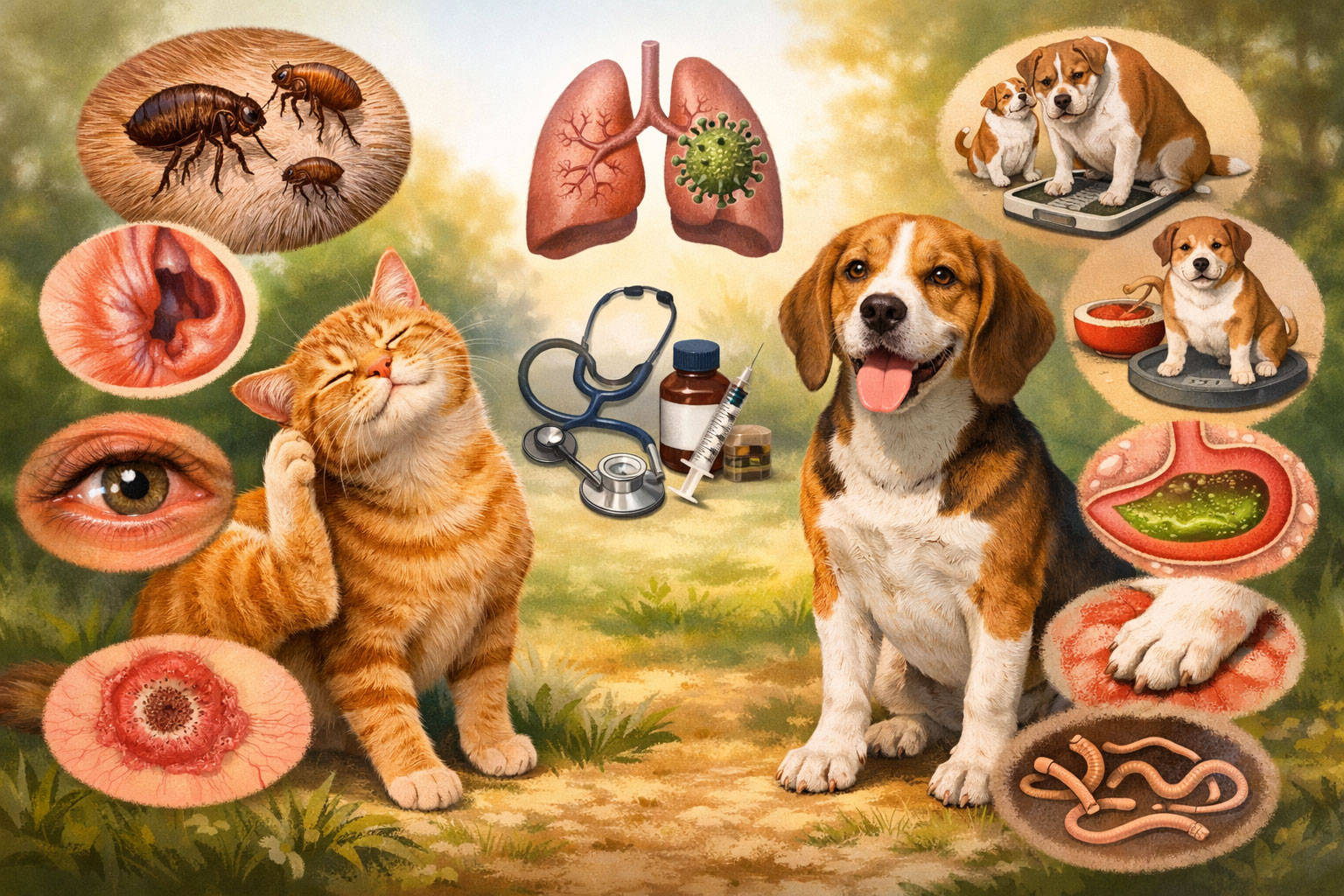
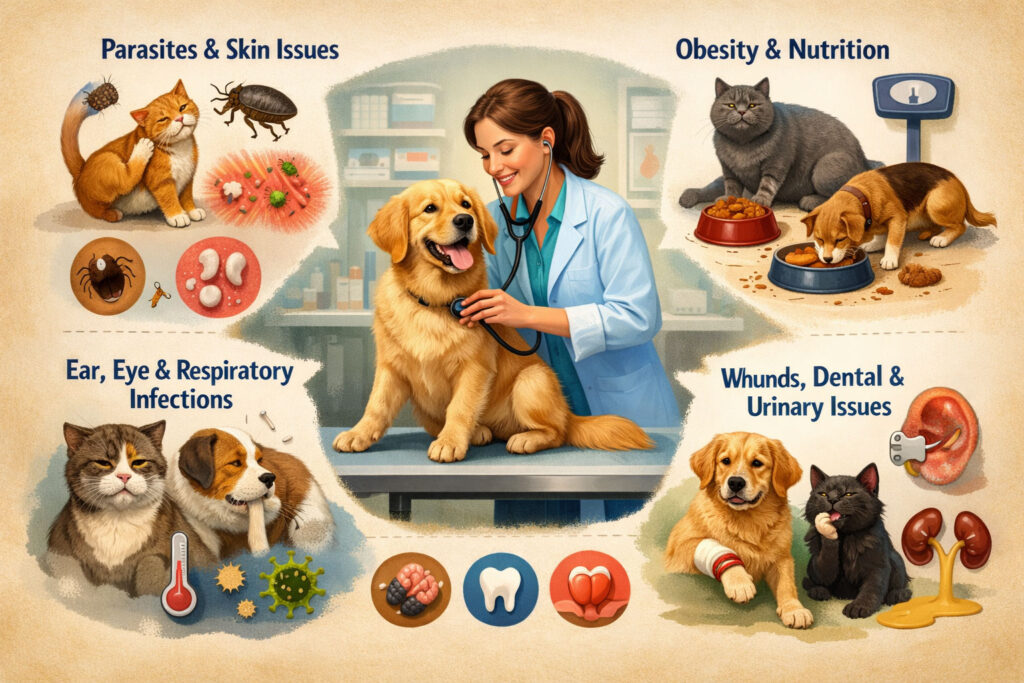
While heartworm is a top-tier threat, maintaining your pet’s overall health requires a proactive, year-round approach. Here are a few other common issues to keep on your radar:
- Dental Disease: By age three, most dogs and cats show signs of periodontal disease. Bad breath isn’t normal—it’s a sign of infection that can lead to bacteria entering the bloodstream and damaging the heart, liver, and kidneys.
- Obesity: An overweight pet is at higher risk for diabetes, arthritis, and a shortened lifespan. Proper diet and regular exercise are essential.
- Fleas and Ticks: These external parasites aren’t just an itchy nuisance. Fleas can cause anemia and tapeworms, while ticks transmit serious diseases like Lyme disease and Ehrlichiosis.
Your Action Plan for a Healthy Pet
Protecting your pet from heartworms and other health problems doesn’t have to be complicated. It boils down to three simple steps:
- Visit Your Vet Annually: An annual wellness exam is non-negotiable. It allows your vet to catch issues early and ensure your pet is on the right preventive medications.
- Stay on Schedule: Whether it’s a heartworm chewable or a flea and tick topical, mark your calendar. Consistency is key. A missed dose is a window of opportunity for disease.
- Know Your Pet: Pay attention to changes in behavior, appetite, or energy levels. You know your pet better than anyone—if something seems off, trust your gut and consult your vet.
Heartworm disease is a frightening prospect, but it’s a completely preventable one. By staying informed and committed to a simple preventive routine, you’re not just avoiding a disease; you’re ensuring many more years of happy, healthy tail wags and purrs with the companions you love.
Disclaimer: This blog post is for informational purposes only and does not constitute medical advice. Always consult with a qualified veterinarian for diagnosis and treatment options for your pet.