In a move that carries profound implications for the fragile diplomatic efforts to end the Middle East conflict, Iran has named a former Revolutionary Guards commander and prominent hardline figure to lead its Supreme National Security Council. The appointment of Mohammad Baqer Zolghadr comes just days after his predecessor, Ali Larijani, was killed in US-Israeli strikes—and sends a clear signal to Washington and its allies about Tehran’s posture as it engages in backchannel negotiations.
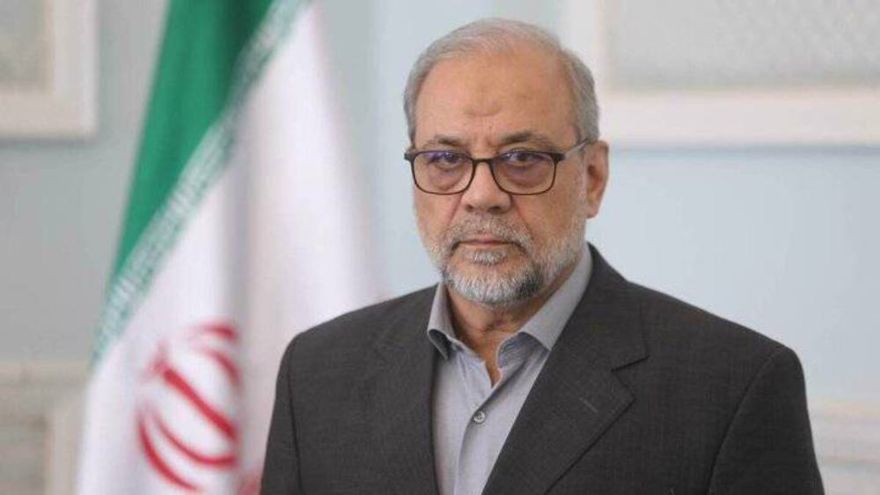
TEHRAN – Iran moved swiftly on Tuesday to fill the leadership void at the apex of its national security apparatus, appointing Mohammad Baqer Zolghadr as the new secretary of the Supreme National Security Council (SNSC). The appointment, announced by the Iranian president’s deputy of communications on X, follows the death of Ali Larijani, a veteran politician and former nuclear negotiator who was killed in US-Israeli strikes last week.
Zolghadr’s elevation to one of the most powerful positions in the Islamic Republic comes at a critical juncture. As backchannel communications between Tehran and Washington intensify—facilitated by Pakistan, Turkey, and other regional mediators—the choice of a hardline Revolutionary Guards veteran to coordinate Iran’s security and foreign policy signals that Tehran is preparing for negotiations from a position of uncompromising strength.
The SNSC, formally chaired by President Masoud Pezeshkian, is the highest security decision-making body in Iran. It coordinates military, intelligence, and foreign policy and includes representatives of Supreme Leader Ayatollah Mojtaba Khamenei, who holds ultimate authority over all matters of state. The secretary of the council wields enormous influence, acting as the primary conduit between the civilian government and the military establishment.
Who Is Mohammad Baqer Zolghadr?
Zolghadr is no stranger to the upper echelons of Iran’s security establishment. A former commander in the Islamic Revolutionary Guard Corps (IRGC), he has held a succession of senior security positions over the past two decades. His portfolio includes service as deputy for security at the Interior Ministry, deputy at the armed forces’ general staff, and advisor to the judiciary chief for crime prevention.
More recently, Zolghadr served as secretary of the Expediency Discernment Council, a powerful assembly that resolves disputes between Iran’s parliament and the Guardian Council—the body of clerics and jurists that vets legislation and supervises elections. In that role, he was deeply involved in the internal political battles that have shaped Iran’s response to external pressures.
Zolghadr is also a prominent figure in Iran’s hardline political faction. He headed the electoral headquarters of the Popular Front of Islamic Revolutionary Forces, a coalition of conservative and principlist groups that has consistently advocated for a tough stance against Western powers. His appointment suggests that the supreme leader is consolidating control over national security decision-making within the hardline camp.
A Leadership Void Filled at a Critical Moment
The death of Ali Larijani represented a significant blow to Iran’s political establishment. Larijani, a seasoned politician who served as speaker of parliament and as Iran’s chief nuclear negotiator from 2005 to 2007, was widely viewed as a pragmatic conservative who favored strategic engagement with the West under certain conditions. His assassination in the US-Israeli strikes last week removed a key figure who might have advocated for flexibility in the current negotiations.
Zolghadr’s appointment suggests a different approach. Unlike Larijani, who cultivated relationships with Western diplomats during the nuclear negotiations of the 2000s and 2010s, Zolghadr comes from the IRGC’s hardline wing—the same institution that has directed Iran’s military response to the current conflict, including the closure of the Strait of Hormuz and threats to target Gulf energy infrastructure.
His elevation to the SNSC secretariat places a Revolutionary Guards veteran at the center of Iran’s decision-making on the very issues that are now the subject of backchannel talks with Washington: the reopening of the Strait of Hormuz, the future of Iran’s nuclear program, and the conditions for ending hostilities.
Implications for the Mediation Effort
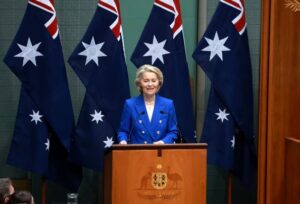
The timing of Zolghadr’s appointment is significant. It comes just days after Pakistan’s Field Marshal Asim Munir spoke with President Trump, and as Pakistani officials actively backchannel communications between Tehran and Trump envoys Steve Witkoff and Jared Kushner. European Commission President Ursula von der Leyen has also called for urgent negotiations, warning of a global energy crisis.
For the mediators, Zolghadr’s appointment presents both challenges and potential opportunities. On one hand, his hardline credentials mean that any agreement emerging from the current talks will have to pass muster with a figure deeply skeptical of Western intentions. His IRGC background also suggests that military considerations—including Iran’s ability to project force in the Gulf—will remain paramount in Tehran’s calculations.
On the other hand, Zolghadr’s appointment consolidates decision-making authority within a unified chain of command that includes the supreme leader, the IRGC, and the civilian government. This could actually facilitate negotiations by ensuring that any agreement reached at the backchannel level has the backing of all key power centers in Tehran.
Analysis: A Hard Negotiator Takes the Helm
The appointment of Mohammad Baqer Zolghadr as secretary of Iran’s Supreme National Security Council represents a strategic choice by the country’s leadership at a pivotal moment in the conflict with the United States and Israel.
By selecting a Revolutionary Guards veteran with deep ties to the hardline political faction, Supreme Leader Ayatollah Mojtaba Khamenei is signaling that Iran will negotiate—if it negotiates at all—from a position of strength. Zolghadr’s background suggests he is unlikely to accept anything less than a comprehensive resolution that guarantees Iran’s security and preserves its nuclear infrastructure.
This posture aligns with the public statements from Tehran since the war began. Iranian officials have consistently denied that any direct talks are taking place with Washington, even as they acknowledge receiving “messages” through friendly states. The denial serves both domestic political purposes—presenting a unified front against external aggression—and tactical ones: maintaining maximum leverage as discussions proceed.
For the Trump administration, Zolghadr’s appointment complicates the diplomatic calculus. While President Trump has claimed that a 15-point agreement emerged from weekend discussions, Iran’s public denial and the installation of a hardliner as security chief suggest that Tehran is not prepared to concede ground easily. The five-day pause on US strikes, set to expire soon, may prove too short a window for the kind of detailed negotiations that a figure like Zolghadr will demand.
Yet the very fact that Tehran has moved quickly to fill the security council leadership void indicates that it is preparing for a sustained period of decision-making—whether that leads to negotiations or continued confrontation. With Pakistan’s mediation efforts intensifying and the EU calling for a diplomatic solution, the stage is set for a high-stakes test of whether the two sides can find common ground.
For now, Zolghadr’s appointment serves as a reminder that Iran’s approach to the current crisis will be defined by the Revolutionary Guards’ ethos: strategic patience, military readiness, and an unwavering commitment to the regime’s survival. Whether that ethos can coexist with the compromises necessary for a negotiated settlement remains the central question of the coming days.