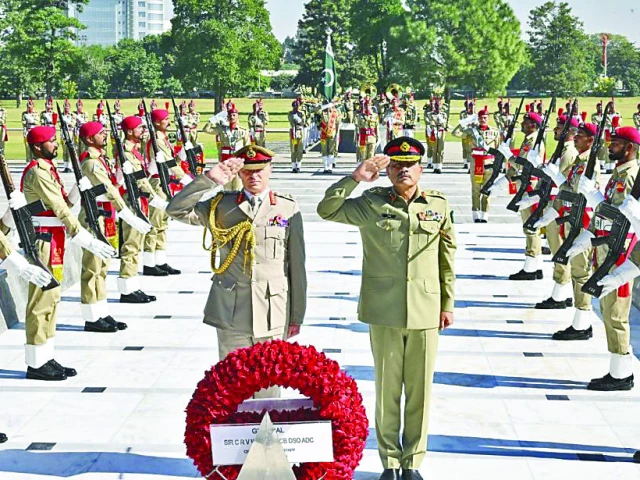
President Asif Ali Zardari has approved a comprehensive list of military awards for officers and soldiers of the Pakistan Army, Navy, and Air Force, recognizing exceptional service, bravery, and sacrifice. The honors, announced by the military’s media wing ISPR on Tuesday, include 23 Hilal-e-Imtiaz (Military), 100 Sitara-e-Imtiaz (Military), 136 Tamgha-e-Imtiaz (Military), and numerous gallantry awards for personnel who demonstrated extraordinary courage in the line of duty, including those who made the ultimate sacrifice.
RAWALPINDI – In a ceremony of solemn national significance, President Asif Ali Zardari has conferred military awards upon 1,253 officers and enlisted personnel across Pakistan’s armed forces, the Inter-Services Public Relations (ISPR) announced Tuesday. The awards recognize acts of valor, distinguished service, and supreme sacrifice during operations to defend the nation’s sovereignty and security.
The honors span a wide range of categories, from distinguished service medals to gallantry awards for those who faced the enemy in combat. Among the most poignant recognitions are the Sitara-e-Basalat and Tamgha-e-Basalat—medals awarded for acts of gallantry—conferred upon numerous soldiers who laid down their lives, including several who were honored posthumously with the “Shaheed” designation.
The announcement comes at a critical juncture for Pakistan, as the nation grapples with multiple concurrent challenges: the economic fallout of the Middle East conflict, a deepening fuel crisis, environmental concerns following the IQAir report ranking Pakistan as the world’s most polluted country, and preparations for heavy rains across Sindh. Against this backdrop, the military awards serve as a reminder of the sacrifices made by the armed forces in safeguarding the nation.
Gallantry Awards: Honoring the Fallen and the Brave
Among the most significant recognitions are the Sitara-e-Basalat and Tamgha-e-Basalat, awarded for acts of gallantry in the face of the enemy. The ISPR named 11 recipients of the Sitara-e-Basalat, including Maj Kamil Hussain (Artillery), Maj Sibtain Haider (Shaheed) of Punjab Regiment, Maj Hamzah Israr (Shaheed) of Frontier Force Regiment, Maj Adnan Aslam (Shaheed) of Frontier Force Regiment, Capt Hasnain Akhtar (Shaheed) of Artillery, Hav Ali Bilawal (Shaheed) of FC Battalion (South), NK Bakht Zamin (Shaheed) of FC Battalion (South), Sep Rehman Zadin (Shaheed) of Frontier Force Regiment, Sep Saqlain Hukamdad (Shaheed) of SSG, and two naval officers: Rear Admiral Muhammad Sohail Arshad and Rear Admiral Mazhar Mahmood Malik.
The Tamgha-e-Basalat list is far more extensive, with 475 recipients, including a substantial number of soldiers from Frontier Corps (KP and Balochistan), Frontier Force Regiment, Punjab Regiment, Baloch Regiment, Azad Kashmir Regiment, Sindh Regiment, Northern Light Infantry, and Special Services Group. The list includes numerous soldiers honored posthumously, their names followed by the designation “Shaheed”—a testament to the ultimate price paid in service to the nation.
The extensive list of fallen soldiers reflects the ongoing security challenges Pakistan faces, particularly along its western border. The Frontier Corps, which appears prominently among the recipients, has been at the forefront of counterterrorism operations in Khyber Pakhtunkhwa and Balochistan. The recognition of these soldiers underscores the sustained operational tempo of Pakistan’s armed forces despite the nation’s focus on other challenges.
Distinguished Service Honors
In addition to gallantry awards, the president approved a range of distinguished service medals recognizing exceptional performance and leadership. The Hilal-e-Imtiaz (Military)—one of Pakistan’s highest military honors—was awarded to 23 senior officers, including:
- Major Generals Waseem Haider Shah (Baloch), Muhammad Shamraiz (Artillery), Abu Bakar Shahbaz (Armoured Corps), Naiknam Muhammad Baig (Punjab), Umar Farid (Punjab), Ali Iqbal (Armoured Corps), Mazhar Nazir (Frontier Force), Muhammad Kamran Saleem (Air Defence), Muhammad Atif Bin Akram (Punjab), Kamran Ahmed (Armoured Corps), Muhammad Imran Khan Babar (Sindh), Syed Muhammad Jawad Tariq (Frontier Force), Zulfiqar Ali Bhatty (Armoured Corps), Mehar Omar Khan (Baloch), Tufail Ahmad (HCA), Muhammad Fayyaz Malik (HCA), and Anjum Anwar Qadri (AMC Specialist)
- Rear Admirals Ateeq Ur Rehman Abid, Kamran Ahmed, and Kashif Munir of the Pakistan Navy
- Air Marshals Zaeem Afzal, Imran Qadir, and Muhammad Ehsan Ulhaq of the Pakistan Air Force
The Sitara-e-Imtiaz (Military) was awarded to 100 officers, including brigadiers, colonels, commodores, and air commodores from all three services. The Tamgha-e-Imtiaz (Military) was conferred upon 136 officers, including lieutenant colonels, majors, commanders, and wing commanders.
Additionally, 130 personnel received Imtiazi Sanad (distinguished service certificates), while 378 were awarded COAS Commendation Cards—a significant recognition from the Chief of Army Staff for exceptional performance.
Context: A Nation Under Pressure
The announcement of military awards comes at a time when Pakistan is navigating an extraordinarily complex set of challenges. The federal government is preparing to finalize a proposal for a nationwide one-day weekly lockdown to conserve fuel amid surging oil prices driven by the closure of the Strait of Hormuz. Sindh is already implementing austerity measures, including a 60 percent reduction in official vehicle fuel consumption, and considering smart lockdowns as the fuel crisis deepens.
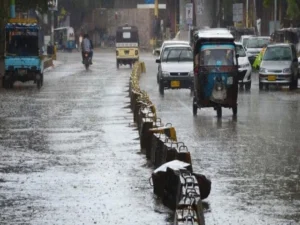
Simultaneously, Sindh is on high alert for heavy rains forecast from Wednesday, with authorities mobilizing to prevent urban flooding. The province’s disaster management apparatus, already stretched by the fuel conservation measures, is now preparing for potential weather-related emergencies.
The IQAir report released Tuesday, ranking Pakistan as the world’s most polluted country with PM2.5 levels 13 times WHO safety limits, added an environmental dimension to the nation’s challenges. The military awards, by contrast, highlight the human dimension of national security—the soldiers, sailors, and airmen who continue to serve despite the broader pressures facing the country.
The Regional Dimension
The military awards also carry significance in the context of Pakistan’s evolving role as a mediator in the Middle East conflict. As Islamabad positions itself as the lead facilitator of backchannel communications between Tehran and Washington—with Army Chief Field Marshal Asim Munir engaging directly with President Trump—the recognition of military personnel underscores the institutional capacity and professionalism of Pakistan’s armed forces.
The awards list includes personnel from units that have historically been deployed along Pakistan’s western border, where the country has faced security challenges linked to regional instability. The recognition of Frontier Corps soldiers, in particular, reflects the ongoing counterterrorism operations that have been a constant feature of Pakistan’s security landscape.
Analysis: Honoring Sacrifice in Turbulent Times
President Zardari’s approval of military awards for over 1,200 armed forces personnel serves multiple purposes: recognizing individual acts of valor, reinforcing institutional morale, and reminding the nation of the human cost of security operations.
The timing of the announcement is significant. As Pakistan confronts economic pressures, environmental crises, and weather-related emergencies, the military awards provide a moment of national focus on the sacrifices made by the armed forces. The extensive list of “Shaheed” personnel—those who lost their lives in service—serves as a sobering reminder that even as the nation grapples with energy shortages and urban flooding, soldiers continue to face operational risks along the borders.
For the families of the fallen, the awards represent official recognition of their loved ones’ sacrifices. The posthumous honors, which feature prominently in the Tamgha-e-Basalat list, ensure that the names of those who died in service will be remembered and honored.
For the broader public, the awards offer a counterpoint to the dominant narratives of crisis and constraint. While fuel shortages, lockdowns, and pollution dominate headlines, the military honors highlight the professionalism and dedication of the institutions tasked with defending the nation.
As Pakistan navigates the convergence of diplomatic ambitions, domestic energy pressures, environmental challenges, and weather-related emergencies, the recognition of its armed forces serves as a reminder that national security remains a fundamental priority. The soldiers honored Tuesday—whether recipients of the Hilal-e-Imtiaz or the Tamgha-e-Basalat—represent the human foundation upon which Pakistan’s resilience depends.