A fragile window for diplomacy has emerged in the escalating Middle East conflict, as Donald Trump confirmed he has sent a peace proposal to Iran—while Tehran signaled partial de-escalation by allowing “non-hostile” vessels to pass through the critical Strait of Hormuz.
The dual developments—diplomatic outreach and limited reopening of a key maritime route—have sparked cautious optimism in global markets, even as military exchanges continue across the region.
Diplomatic Signals Amid Ongoing Conflict
Speaking from the Oval Office, President Trump said the United States is “in negotiations right now” with Iran, suggesting that recent developments indicate progress behind the scenes.
“They gave us a present… a very big present,” Trump told reporters, hinting that Iran’s decision to ease restrictions in the Strait of Hormuz was a goodwill gesture.
However, Iranian officials have publicly denied that formal negotiations are underway, maintaining a hardline stance against engaging directly with Washington. This contradiction highlights the complexity—and opacity—of current diplomatic efforts.
Strait of Hormuz Partially Reopens
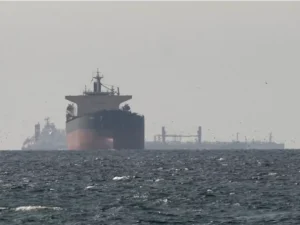
In a significant shift, Iran announced via the International Maritime Organization that “non-hostile vessels” would be granted safe passage through the Strait of Hormuz.
The move marks a partial rollback of earlier restrictions that had effectively disrupted nearly 20% of global oil and liquefied natural gas shipments.
Despite the announcement, many shipping companies remain cautious. Insurance firms have been reluctant to cover vessels in the region, meaning traffic through the strait has yet to fully recover.
Still, the signal was enough to calm markets—global oil prices dropped by nearly 6% following the news.
Inside the Reported U.S. Peace Plan
According to reports from The New York Times and regional media, the U.S. proposal includes a broad framework aimed at ending hostilities and addressing long-standing tensions.
Key elements reportedly include:
- A temporary ceasefire lasting up to one month
- Restrictions on Iran’s nuclear program, including halting uranium enrichment
- Transfer or neutralization of enriched nuclear material
- Limits on ballistic missile development
- Reduction of support for regional allies such as Hezbollah
- Gradual lifting of U.S. sanctions on Iran
The plan may also include international assistance for Iran’s civilian nuclear energy program, particularly at facilities like Bushehr.
While Washington frames the proposal as a pathway to stability, Tehran has yet to formally respond—and continues to publicly reject negotiations.
Contradictions from Tehran: No Talks, No Deal
Iran’s military leadership has dismissed Trump’s claims of ongoing talks, with senior officials using sharp rhetoric to deny any engagement.
Statements broadcast on Iranian state media suggested that the U.S. was “negotiating with itself,” reinforcing Tehran’s position that it will not enter discussions under pressure.
Iran’s foreign ministry has also reiterated that previous diplomatic efforts were undermined by U.S. military actions, eroding trust and making new negotiations unlikely.
This divergence between public messaging and reported backchannel diplomacy underscores the fragile nature of any potential agreement.
War Continues Despite Diplomatic Openings
Even as diplomatic signals emerge, the conflict shows no signs of immediate de-escalation.
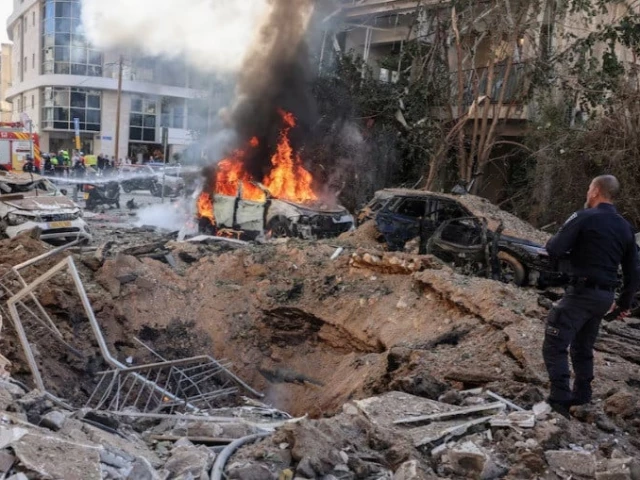
Israel and Iran continued exchanging strikes, with Iranian missiles injuring civilians in urban centers including Tel Aviv.
In response, Israeli forces launched a new wave of airstrikes across Iranian territory, targeting military and infrastructure sites.
Prime Minister Benjamin Netanyahu has made it clear that Israel’s military objectives remain unchanged, emphasizing the need to eliminate what he describes as existential threats.
Regional Spillover Intensifies
The conflict is no longer confined to Iran and Israel. Fighting has expanded into neighboring regions, particularly Lebanon, where clashes involving Hezbollah have intensified.
Israel has indicated plans to extend military control into southern Lebanon, while continued airstrikes have displaced over a million people and caused significant casualties.
At the same time, Gulf states including Kuwait, Bahrain, and Saudi Arabia have reported intercepting drones and missiles, highlighting the widening scope of the conflict.
Economic Pressure Mounts on Washington
The crisis has created significant domestic pressure for President Trump. Rising fuel prices—approaching $4 per gallon in the United States—have become a political concern, particularly ahead of key elections.
The partial reopening of the Strait of Hormuz has provided some relief, but analysts warn that sustained stability is needed to fully restore market confidence.
Any prolonged disruption could further strain global supply chains and intensify inflationary pressures worldwide.
Military Build-Up Continues
Despite diplomatic overtures, the United States is reportedly preparing to deploy additional forces to the region, including thousands of troops from elite airborne units.
This dual-track strategy—pursuing diplomacy while reinforcing military presence—reflects the high stakes involved.
Analysts say it also signals that Washington is preparing for multiple scenarios, including the possibility that talks could fail.
Short Analysis: Diplomacy or Strategic Pause?
The reopening of the Strait of Hormuz and Trump’s peace proposal may represent a genuine attempt at de-escalation—or a temporary pause in a broader conflict.
Iran’s willingness to allow limited shipping suggests it is mindful of global economic pressure. However, its continued public rejection of negotiations indicates that any agreement will require significant concessions.
For now, the situation remains a delicate balancing act between الحرب (war) and diplomacy.
Global Impact: Why This Matters
The developments carry major implications for the world:
- Energy Markets: Stability in the Strait of Hormuz is crucial for global oil supply
- Geopolitics: The outcome could reshape U.S.-Iran relations for years
- Regional Stability: Escalation risks drawing more countries into conflict
- Global Economy: Oil price fluctuations impact inflation, trade, and growth
While the reopening of the Strait of Hormuz offers a glimmer of hope, the broader conflict remains unresolved.
With diplomacy and military action unfolding simultaneously, the coming days will be critical in determining whether the region moves toward peace—or deeper confrontation.