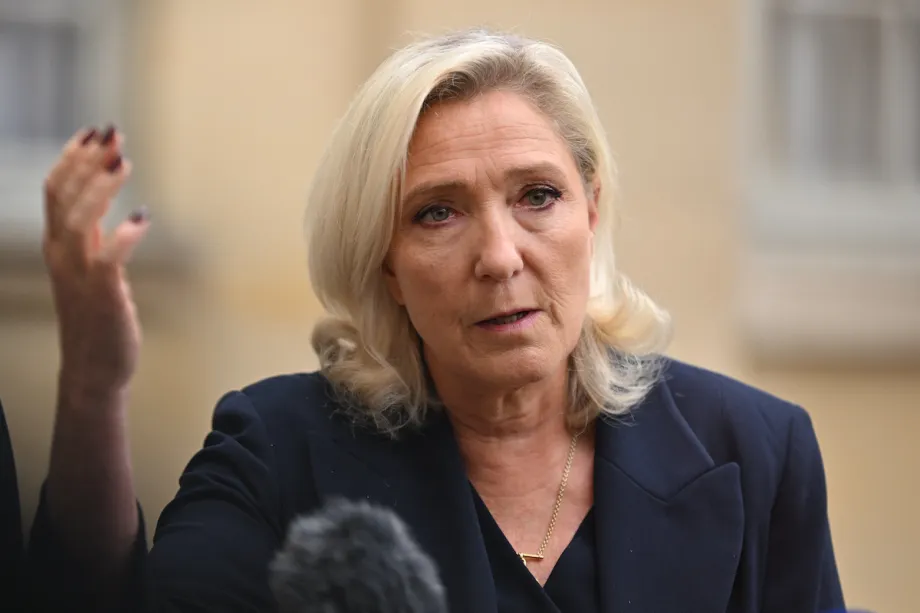
French far-right leader Marine Le Pen has sharply criticized the United States’ military action against Iran, calling it a “clear mistake” and warning of growing instability across the Middle East and beyond.
Her remarks come as the conflict—sparked by joint U.S. and Israel strikes—continues to escalate, with mounting casualties and increasing disruption to global energy markets.
Le Pen: U.S. Misjudged Iran’s Strength
Speaking to French media, Le Pen argued that Washington had fundamentally miscalculated the resilience of Iran’s leadership.
“The United States clearly made a mistake, thinking the Iranian regime would fall within a few days,” she said. “It has not fallen. The Iranian regime is extremely strong.”
Le Pen also questioned the strategic clarity of Donald Trump, describing his war objectives as “erratic” and lacking a clearly defined end goal.
Her comments reflect growing skepticism in parts of Europe over the direction and consequences of the conflict.
European Concerns Over War Strategy
Le Pen’s criticism aligns with broader unease among European political figures regarding the legality and effectiveness of the military campaign.
French President Emmanuel Macron has also raised concerns, reportedly describing the strikes as falling “outside the framework of international law.”
These differing views highlight divisions within Western alliances, particularly over how to handle Iran’s regional influence and nuclear ambitions.
Energy Crisis and Regional Impact
Le Pen emphasized that the war is not confined to Iran and Israel but is affecting the entire Gulf region.
The الأزمة has disrupted energy supplies, contributing to volatility in oil prices and creating ripple effects across global economies.
Countries dependent on imported energy—especially in Europe and Asia—are feeling the strain as supply chains face uncertainty.
The strategic importance of routes like the Strait of Hormuz has become even more apparent, with any disruption posing risks to nearly a fifth of the world’s oil supply.
Broader Geopolitical Commentary
Le Pen also touched on wider geopolitical tensions, referencing Europe’s energy dependencies and divisions within the European Union.
She pointed out that Hungary relies heavily on Russian energy supplies, while ongoing tensions involving Ukraine complicate regional energy flows.
In this context, she praised Hungarian Prime Minister Viktor Orbán, describing him as a “symbol of resistance” against European Union policies.
Her remarks underline how the Iran conflict is intersecting with existing political and economic fault lines in Europe.
Escalation Continues Across the Region
Since the start of hostilities on February 28, the conflict has expanded beyond initial targets.
Iran has launched retaliatory drone and missile strikes against Israel and U.S.-allied countries, including Jordan, Iraq, and Gulf states hosting American military bases.
The violence has resulted in significant casualties and widespread infrastructure damage, further destabilizing the region.
Global Markets and Aviation Disruptions
The الحرب has had immediate economic consequences, particularly in:
- Energy Markets: Oil prices have surged due to supply concerns
- Aviation: Flight routes have been disrupted across Middle Eastern airspace
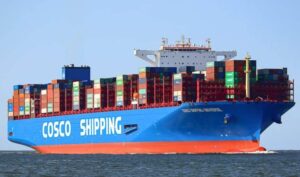
- Trade: Shipping delays and increased costs are affecting global supply chains
Investors remain cautious, with markets reacting sharply to each new development.
Short Analysis: Growing Western Divide?
Le Pen’s comments highlight a widening divide within Western political circles over the Iran conflict.
While the United States and its allies justify military action as necessary for security, critics argue that the strategy lacks clarity and risks long-term instability.
The اختلاف in perspectives could complicate coordinated international responses and weaken diplomatic efforts to resolve the crisis.
Global Impact: Why This Matters
The implications of Le Pen’s remarks—and the broader conflict—extend worldwide:
- Political Alliances: Strains within NATO and the European Union
- Energy Security: Continued volatility in global oil supply
- Diplomacy: Reduced chances of unified negotiations with Iran
- Public Opinion: Rising debate over military intervention
Conclusion
As the conflict with Iran intensifies, criticism from influential figures like Marine Le Pen underscores the growing complexity of the situation.
With no clear resolution in sight, the debate over strategy, legality, and global consequences is likely to intensify—both within Europe and across the international stage.