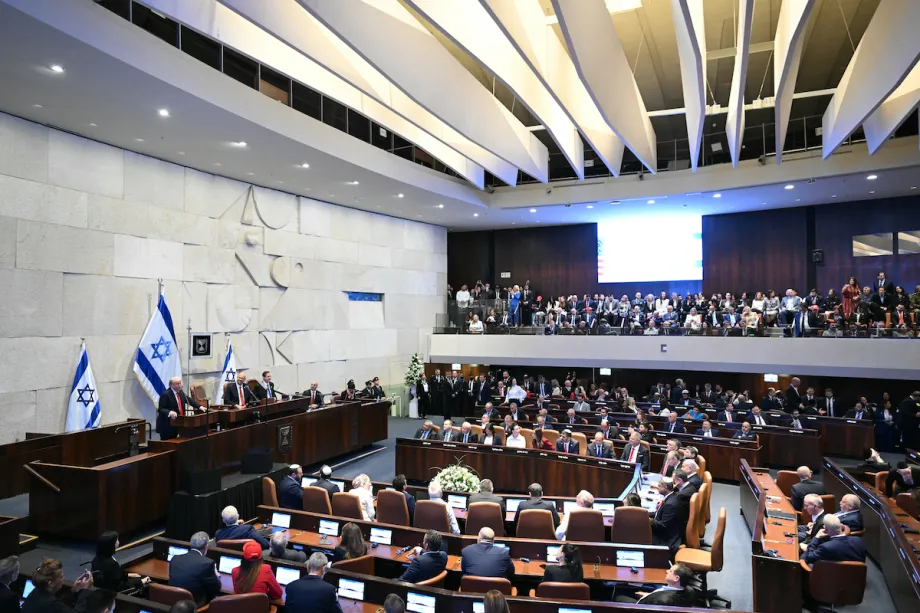
In a highly controversial and fast-tracked move, a key parliamentary committee in Israel has approved legislation that would legalize the death penalty for Palestinians convicted of carrying out deadly attacks against Israelis.
The decision by the Knesset National Security Committee late Tuesday clears the way for the bill to proceed to its final readings in the full parliament next week—marking a significant shift in Israel’s legal and security framework.
What the Proposed Law Would Do
The bill, if passed, would allow courts to impose the death penalty on individuals convicted of “intentionally causing the death of a person in a terrorist act.”
Key provisions of the legislation include:
- No requirement for a unanimous judicial verdict to impose capital punishment
- A strict timeline requiring execution within 90 days of sentencing
- A complete prohibition on pardons or sentence reductions
- Finality of verdicts with no scope for political or judicial review
Supporters argue the law is aimed at strengthening deterrence against attacks, while critics warn it raises serious legal and ethical concerns.
Fast-Tracked Despite Widespread Objections
The bill’s approval comes despite more than 2,000 formal objections submitted during the review process—highlighting the intensity of domestic and international debate.
Observers note that the pace of the legislation’s advancement has been unusually rapid for such a contentious measure, suggesting strong political backing within the current coalition.
Key Political Figures Behind the Bill
The committee overseeing the legislation is chaired by Tzvika Fogel, a member of the far-right political party Otzma Yehudit.
The party is led by Itamar Ben-Gvir, a prominent figure advocating tougher security measures.
The bill itself was introduced by Limor Son Har-Melech, also affiliated with Otzma Yehudit.
Legal and Human Rights Concerns
The proposed law has sparked immediate concern among legal experts and human rights organizations.
Critics argue that:
- The absence of a requirement for unanimous verdicts could increase the risk of wrongful executions
- The ban on pardons eliminates safeguards typically present in capital punishment systems
- The law may disproportionately target Palestinians, raising questions about discrimination and fairness
International organizations have long opposed the use of the death penalty, particularly in conflict settings where judicial processes may be contested.
Broader Context: Escalating Conflict
The legislative move comes amid ongoing violence between Israel and Palestinian groups, as well as wider regional tensions involving Iran and its allies.
Security concerns have intensified following months of attacks and counter-operations, with Israeli officials emphasizing the need for stronger deterrent measures.
At the same time, the broader Middle East conflict has already strained diplomatic relations and heightened scrutiny of military and legal actions across the region.
Potential International Reaction
If passed, the bill is likely to draw strong reactions from the international community.
Countries and organizations that oppose capital punishment may view the law as a step backward, potentially increasing diplomatic pressure on Israel.
It could also complicate relations with allies who emphasize adherence to international legal norms and human rights standards.
Short Analysis: Security vs. Legal Norms
The proposed legislation reflects a broader tension between national security priorities and international legal standards.
For supporters, the death penalty represents a tool for deterrence in a high-threat environment. For critics, it risks undermining the rule of law and escalating tensions further.
The outcome of the final parliamentary vote will be closely watched as an indicator of Israel’s policy direction amid ongoing conflict.
Global Impact: Why This Matters
- Human Rights Debate: Renewed focus on capital punishment policies
- Regional Stability: Potential to escalate tensions with Palestinian communities
- Diplomatic Relations: Possible strain with international partners
- Legal Precedent: Could influence similar debates in other conflict zones
Conclusion
The advancement of the death penalty bill by the Knesset National Security Committee marks a pivotal moment in Israel’s legislative and security landscape.
As the bill heads toward final votes, its implications—legal, political, and humanitarian—are set to resonate far beyond the region.