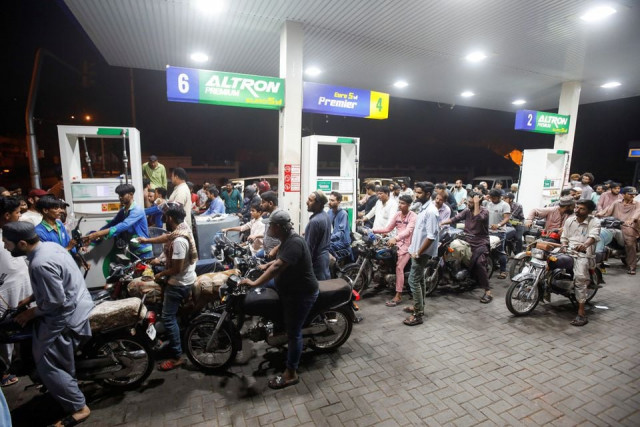
Pakistan could be heading toward another major fuel disruption as the All Pakistan Petrol Pump Owners Association has issued a stark warning of a nationwide shutdown if urgent industry concerns are not addressed.
The warning comes at a time when the country is already grappling with rising fuel costs and supply uncertainties linked to escalating Middle East tensions.
Industry Issues Trigger Shutdown Threat
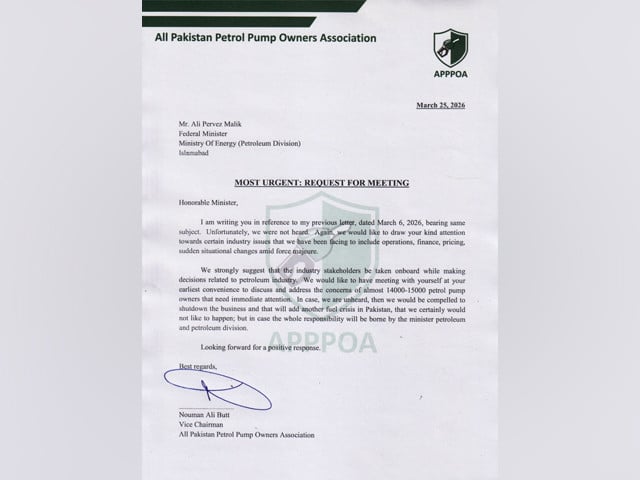
In a formal letter to Ali Pervaiz Malik, APPPOA Vice Chairman Nouman Ali Butt called for an immediate meeting to resolve critical issues affecting nearly 14,000–15,000 petrol pump owners across the country.
“If we are unheard, we would be compelled to shut down the business,” Butt warned, adding that such a move could trigger a fresh fuel crisis nationwide.
The association emphasized that its intention is not to disrupt supply but to seek urgent government intervention before the situation deteriorates further.
Key Concerns Raised by Petrol Pump Owners
The letter outlines a range of pressing challenges facing the petroleum retail sector, including:
- Operational difficulties and rising costs
- Financial strain due to fluctuating margins
- Pricing policies and lack of clarity
- Impact of sudden market changes and force majeure events
APPPOA also criticized the government for failing to consult industry stakeholders when making key decisions affecting the sector.
Fuel Prices and Economic Pressure
The crisis comes just weeks after the government sharply increased petrol and diesel prices by up to Rs55 per litre—approximately a 20% hike—amid global oil market volatility.
The surge was driven largely by geopolitical tensions involving Iran, the United States, and regional allies, which disrupted supply chains and pushed crude oil prices to multi-year highs.
The government’s pricing strategy—reportedly collecting higher-than-required revenue to subsidize diesel use—has further strained both consumers and fuel retailers.
Government’s Austerity Measures
In response to rising energy costs, Pakistan has introduced several austerity measures, including:
- Additional weekly holidays
- Reduction in free fuel allocations for officials
- Limits on protocol vehicles
- Proposed subsidized fuel for students
While these steps aim to reduce consumption, they have not addressed the structural concerns raised by petrol pump operators.
Risk of Nationwide Fuel Disruption
A shutdown by petrol pump owners could have immediate and severe consequences:
- Disruption of transport and logistics
- Impact on daily commuters and businesses
- Shortages affecting agriculture and public transport
- Increased inflationary pressure
Given Pakistan’s heavy reliance on imported fuel, any disruption in distribution could quickly escalate into a broader economic crisis.
Short Analysis: A Ticking Time Bomb for Energy Supply
The APPPOA’s warning highlights a critical vulnerability in Pakistan’s energy ecosystem—not just supply, but distribution.
Even if fuel imports remain steady, a breakdown at the retail level could paralyze the system. The situation underscores the need for coordinated policymaking that includes industry stakeholders.
Without swift action, the country risks repeating past fuel crises under even more challenging economic conditions.
Global Context: Impact of Middle East Tensions
The ongoing conflict in the Middle East has amplified Pakistan’s energy challenges, particularly due to disruptions in key routes like the Strait of Hormuz.
As oil prices remain volatile, countries dependent on imports—like Pakistan—face heightened exposure to global shocks.
The threat of a nationwide petrol pump shutdown by the All Pakistan Petrol Pump Owners Association signals a deepening crisis in Pakistan’s energy sector.
With tensions rising and economic pressures mounting, the government faces an urgent test: address industry concerns swiftly or risk a widespread fuel shortage that could impact millions.