Pakistan has intensified its diplomatic outreach as regional tensions continue to rise, with Deputy Prime Minister and Foreign Minister Ishaq Dar calling for urgent de-escalation and dialogue in high-level talks with international counterparts.
The latest diplomatic engagements come as the conflict involving the United States, Israel, and Iran continues to destabilize the region and raise global concerns over security and energy supplies.
High-Level Diplomatic Outreach Intensifies
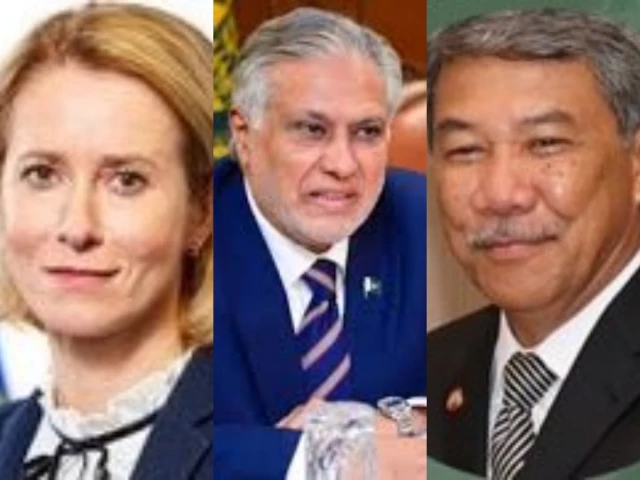
Dar held separate telephone conversations with Mohamad Hasan and Kaja Kallas, focusing on the rapidly evolving situation in the Middle East.
During these discussions, Pakistan emphasized the urgent need for:
- Immediate de-escalation of hostilities
- Renewed commitment to diplomatic engagement
- Peaceful resolution of disputes in line with international law
Both sides agreed that dialogue remains the only viable path toward long-term stability.
Pakistan’s Growing Diplomatic Role
Since the outbreak of the conflict, Pakistan has stepped up its diplomatic efforts, engaging with leaders across the Gulf, Europe, and Asia.
Officials say Islamabad is actively working to:
- Reduce regional tensions
- Encourage negotiations between conflicting parties
- Promote adherence to the United Nations Charter
This approach reflects Pakistan’s broader strategy of positioning itself as a mediator in global crises.
Talks with Malaysia: Shared Call for Peace
In his conversation with Malaysia’s foreign minister, both leaders reviewed recent regional and international developments.
They stressed that peaceful solutions must be prioritized, warning that continued escalation could have serious consequences not only for the Middle East but also for global stability.
Malaysia and Pakistan share a common stance on multilateral diplomacy, often advocating for conflict resolution through international cooperation.
Engagement with European Union Leadership
Dar’s discussion with EU High Representative Kaja Kallas further reinforced the international consensus on the need for diplomacy.
The European Union has been closely monitoring the situation, particularly due to its dependence on stable energy supplies and secure trade routes.
Both sides agreed to remain in close contact as the situation evolves, highlighting the أهمية of coordinated global efforts.
Context: Rising Regional and Global Stakes
The ongoing conflict has already triggered:
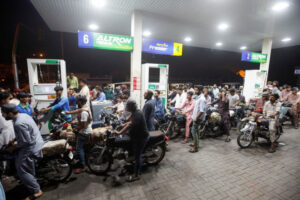
- Volatility in global oil markets
- Disruptions in key shipping routes like the Strait of Hormuz
- Increased military activity across the Middle East
For countries like Pakistan, which rely heavily on imported energy, the stakes are particularly high.
Diplomacy as a Strategic Priority
Pakistan’s leadership has consistently emphasized diplomacy as the cornerstone of its foreign policy response.
By engaging multiple stakeholders, Islamabad aims to:
- Prevent further escalation
- Safeguard its economic interests
- Contribute to global peace efforts
This strategy aligns with broader international calls for restraint and الحوار amid rising tensions.
Short Analysis: Pakistan’s Balancing Act
Pakistan’s diplomatic push reflects a careful balancing act—maintaining neutrality while actively promoting peace.
By engaging both regional and global actors, Islamabad is attempting to enhance its credibility as a mediator.
However, the success of these efforts will depend on the willingness of major powers to engage in meaningful negotiations.
Global Impact: Why This Matters
- Regional Stability: De-escalation could prevent a wider Middle East conflict
- Energy Security: Stability in routes like the Strait of Hormuz is crucial
- Diplomatic Momentum: Multilateral engagement may open pathways to negotiations
- Economic Implications: Reduced tensions could stabilize global markets
As tensions continue to rise, Pakistan’s diplomatic efforts—led by Ishaq Dar—highlight the growing أهمية of dialogue in resolving complex geopolitical conflicts.
With global stakes at their highest in years, the push for de-escalation may prove critical in shaping the next phase of the crisis.