The United Nations has issued one of its starkest warnings yet over the escalating conflict involving Iran, with Secretary-General Antonio Guterres declaring that the war has spiraled “out of control” and could trigger a far broader global crisis.
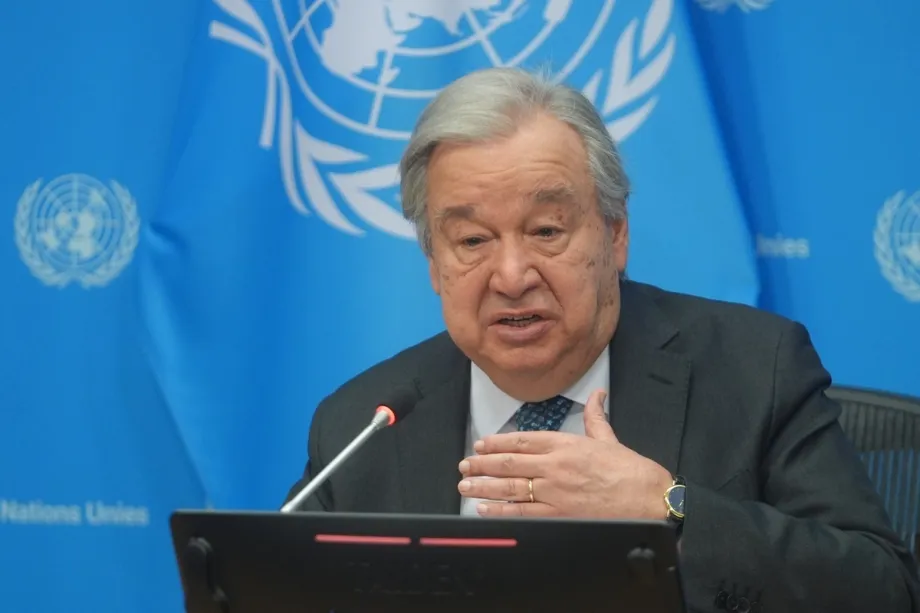
Speaking at a press conference at United Nations Headquarters, Guterres warned that the ongoing hostilities have exceeded even the worst expectations of world leaders, raising fears of a multi-front war with devastating humanitarian and economic consequences.
“Out of Control”: UN Sounds Global Alarm
“More than three weeks on, this war is out of control,” Guterres told reporters, emphasizing that the conflict has broken past previously assumed limits. He cautioned that the world is now “staring down the barrel of a wider war,” with human suffering intensifying and economic shocks rippling across continents.
The UN chief’s remarks reflect growing international anxiety as the confrontation between Iran, Israel, and the United States continues to expand, drawing in neighboring regions and threatening global stability.
Urgent Call for Diplomacy
Guterres urged all parties to halt military operations and return to negotiations, stressing the need to “stop climbing the escalation ladder and start climbing the diplomatic ladder.”
His appeal included a direct message to Washington and Tel Aviv, calling for an immediate end to hostilities as civilian casualties rise and infrastructure destruction accelerates. At the same time, he called on Iran to cease attacks targeting Gulf nations, arguing that these countries are not direct participants in the conflict.
The UN’s position underscores the urgency of diplomatic intervention at a time when military actions appear to be intensifying rather than slowing.
Strait of Hormuz Crisis Disrupts Global Economy
One of the most critical concerns highlighted by the UN chief is the disruption of the Strait of Hormuz, a vital maritime corridor that facilitates a significant portion of global energy and commodity trade.
Guterres warned that the prolonged closure of the strait is severely restricting the flow of oil, natural gas, and fertilizers at a crucial time for global agriculture. The waterway is responsible for roughly a quarter of the world’s oil shipments and a substantial share of liquefied natural gas and fertilizer exports.
The disruption has already sent shockwaves through global markets, contributing to volatility in energy prices and raising concerns about food security in multiple regions.
Expanding Conflict Zones Raise Alarm
Beyond the core confrontation, the conflict is increasingly spilling into neighboring countries. Iranian retaliatory strikes have reportedly impacted areas in Jordan, Iraq, and Gulf states hosting US military infrastructure.
Guterres also expressed concern over developments in Lebanon, urging Israel to halt military operations that are disproportionately affecting civilians. He warned against repeating patterns seen in other conflict zones, emphasizing the need to prevent further humanitarian crises.
UN Appoints Envoy to Lead Mediation Efforts
In a bid to de-escalate tensions, Guterres announced the appointment of Jean Arnault as his personal envoy to spearhead mediation efforts.
Arnault, an experienced diplomat with prior roles in conflict resolution, has been tasked with engaging all parties involved in the crisis. His mandate includes facilitating dialogue, supporting peace initiatives, and coordinating international efforts to bring an end to the hostilities.
The move signals the UN’s renewed push for diplomacy amid diminishing hopes for a quick resolution.
Mounting Human and Economic Costs
The war, which began with a joint offensive by the United States and Israel in late February, has already resulted in significant casualties and widespread infrastructure damage. Retaliatory strikes by Iran have further escalated the situation, contributing to a cycle of violence that shows little sign of slowing.
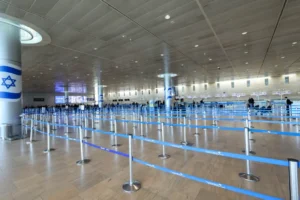
Global aviation, shipping, and financial markets have all been affected. Airlines are rerouting flights to avoid conflict zones, while shipping companies face delays and increased insurance costs. Meanwhile, investors are grappling with uncertainty as geopolitical risks intensify.
Analysis: A Defining Moment for Global Stability
The UN chief’s warning highlights a critical turning point. The Iran conflict is no longer a contained regional issue—it is rapidly evolving into a global crisis with far-reaching implications.
The disruption of the Strait of Hormuz alone poses a serious threat to energy security and economic stability worldwide. Combined with expanding military engagement across multiple countries, the risk of miscalculation or unintended escalation is rising sharply.
Diplomatic intervention now appears to be the only viable path to prevent further deterioration. However, with entrenched positions and ongoing hostilities, achieving a ceasefire will be a formidable challenge.
The coming days will be crucial in determining whether global powers can step back from the brink—or whether the conflict will deepen into a broader and more destructive war.