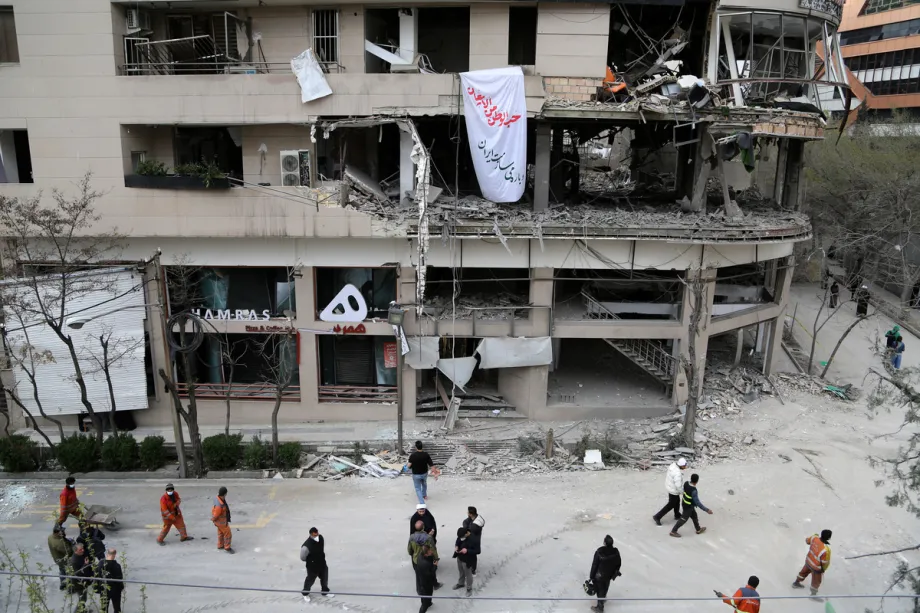
A building housing the Tehran office of Al Araby Television Network was struck in a reported joint US-Israeli air attack on Sunday, marking a concerning development for media safety amid the escalating Iran conflict.
The broadcaster confirmed the incident via social media, stating that all staff members were safe despite significant damage to the facility located in Tehran.
Media Facility Damaged in Airstrike
Video footage aired by Al Araby Television Network showed heavy structural damage to the second and third floors of the building where its office operates. The extent of the destruction highlights the intensity of the strike, though no casualties among staff were reported.
The attack raises fresh concerns about the risks faced by journalists and media organizations operating in active conflict zones.
Escalating Conflict Reaches Civilian Infrastructure
The strike comes amid ongoing military operations by the United States and Israel, which have continued air campaigns against Iran since late February.
The conflict has already resulted in significant casualties and widespread infrastructure damage, with strikes increasingly impacting urban areas and civilian-linked sites.
Analysts warn that attacks affecting media outlets could further complicate the conflict, drawing international scrutiny and raising legal and ethical questions.
Iran Retaliation Expands Regional Impact
Iran has responded with a series of drone and missile attacks targeting Israel as well as countries hosting U.S. military assets, including Jordan and Iraq.
These retaliatory actions have contributed to a widening regional confrontation, disrupting aviation, trade routes, and global markets.
Press Freedom Concerns Intensify
The targeting of a building housing a media office has heightened alarm among press freedom advocates. While it remains unclear whether the facility was the intended target, the incident underscores the vulnerability of journalists in conflict zones.
International organizations have repeatedly called for the protection of media personnel and infrastructure under international law, even during active hostilities.
Global Repercussions and Diplomatic Pressure
The incident is likely to add pressure on international actors to push for de-escalation. Attacks involving civilian-linked facilities can intensify diplomatic fallout and influence global perceptions of the conflict.
With tensions already high, any perceived expansion of targets beyond military objectives could complicate ongoing diplomatic efforts aimed at reducing hostilities.
Analysis: A Dangerous Signal for Media Safety
The strike on a building housing the Tehran office of Al Araby Television Network represents a troubling moment in the conflict. Even in the absence of casualties, such incidents send a chilling message about the safety of journalists operating in war zones.
As the conflict intensifies, the line between military and civilian infrastructure appears increasingly blurred. This raises the risk of further incidents involving non-combatant entities, potentially escalating international criticism and legal scrutiny.
The coming days will be critical in determining whether safeguards for civilian and media infrastructure can be upheld—or whether the conflict will continue to expand into more dangerous territory.