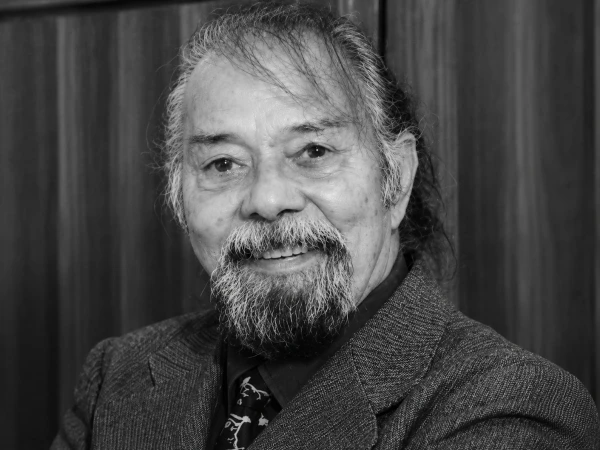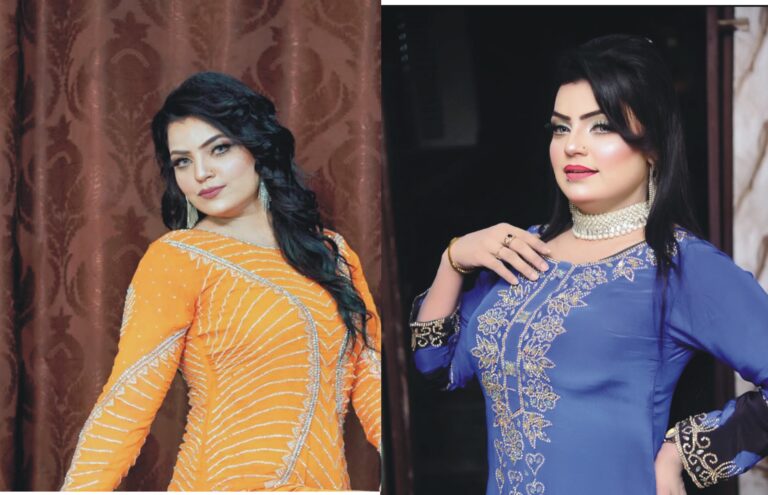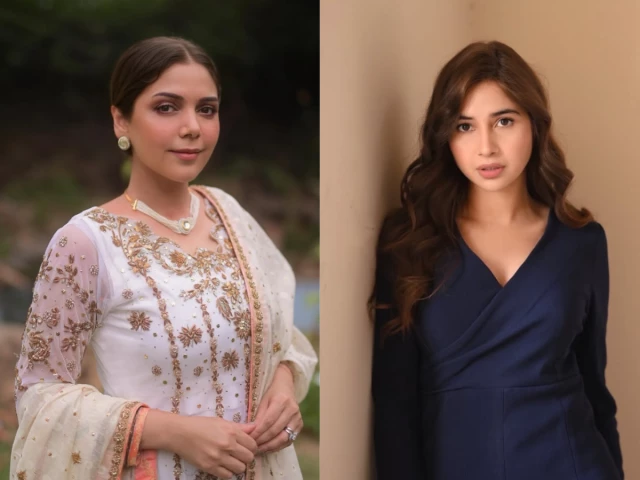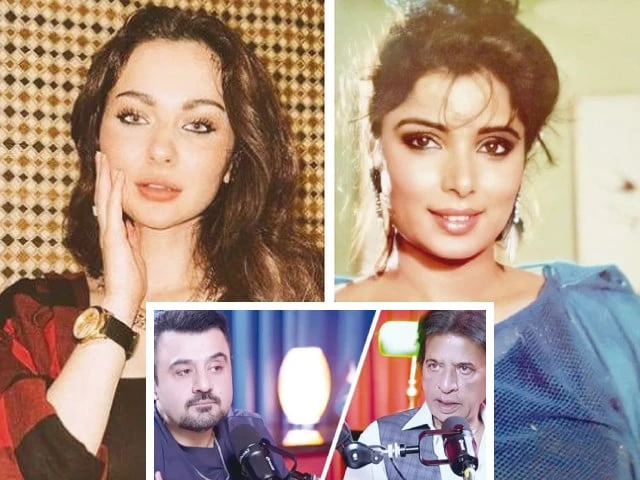
A nostalgic comparison between two generations of Pakistani cinema has sparked widespread discussion online after veteran actor Ghulam Mohiuddin and entertainer Ahmed Ali Butt likened modern-day star Hania Aamir to legendary actress Babra Sharif.
The comparison emerged during a recent interview in which Mohiuddin discussed Pakistan’s film industry, the newly announced Film City project, and the possibility of remaking the iconic 1975 romantic drama Mera Naam Hai Mohabbat.
When asked who could potentially recreate Babra Sharif’s timeless screen presence in a modern adaptation, Ahmed Ali Butt suggested Hania Aamir — calling her the “Gen Z Babra Sharif” because of her looks, expressions, and personality.
Mohiuddin agreed, saying the two actresses shared similarities in body language and sharp facial features.
A Legendary Comparison in Pakistani Cinema
The comparison immediately captured attention across social media platforms, where fans of both actresses debated whether Hania truly reflects the charm and cinematic aura of Babra Sharif.
For many Pakistanis, Babra Sharif remains one of the defining faces of the country’s golden era of cinema during the 1970s, 1980s, and 1990s.
She first rose to fame alongside Ghulam Mohiuddin in Mera Naam Hai Mohabbat, a tragic romantic drama that became a landmark success in Pakistani film history.
The film told the emotional story of a young woman secretly battling illness while hiding her condition from both her family and the man she loved.
The movie’s emotional narrative and memorable performances helped it win the Nigar Award for Best Film in 1975.
Hania Aamir’s Rise as a Modern Screen Favorite
Hania Aamir has emerged as one of Pakistan’s most recognizable Gen Z stars over the past decade.
She began her career with the 2016 comedy film Janaan before transitioning successfully into television.
Her breakthrough television role came in Titli, where her performance gained widespread popularity among younger audiences.
Since then, she has appeared in several commercially successful projects including:
- Anaa
- Na Maloom Afraad 2
- Parwaaz Hai Junoon
Known for her energetic personality, expressive acting style, and strong social media presence, Hania has built one of the largest fan followings among contemporary Pakistani celebrities.
Social Media Reacts to the Comparison
The comments from Mohiuddin and Ahmed Ali Butt quickly went viral online.
Fans praised the comparison as a tribute to Hania’s growing influence in the entertainment industry, while others debated whether any modern actor could truly replicate Babra Sharif’s cinematic legacy.
Some social media users pointed to similarities in facial expressions, charm, and emotional screen presence between the two actresses.
Others argued that Babra Sharif belonged to a unique cinematic era that cannot easily be compared to today’s television and digital entertainment environment.
Ghulam Mohiuddin Reflects on Pakistan’s Film Industry
Beyond the celebrity comparison, the interview also focused heavily on the future of Pakistani cinema.
Ghulam Mohiuddin revealed that he had spent years advocating for the recently announced Film City initiative backed by the Punjab government.
According to Mohiuddin, he played a significant role in shaping the proposal and helping gather support for the project.
The planned Film City has been presented as Pakistan’s first fully integrated media production hub, designed to support:
- Film production
- Television projects
- Digital media
- Visual effects
- Post-production facilities
Industry experts believe the initiative could help modernize Pakistan’s struggling entertainment infrastructure and attract greater international attention to local cinema.
Pakistan’s Entertainment Revival in Focus
The discussion around Film City reflects growing efforts to revive Pakistan’s long-declining film industry.
Once known for its thriving cinema culture, Pakistan’s film sector faced decades of decline due to political instability, censorship challenges, reduced investment, and competition from international media.
In recent years, however, Pakistani dramas, films, and streaming content have regained regional popularity, especially among younger audiences across South Asia and the Middle East.
Mohiuddin argued that institutional planning, investment, and industry cooperation would be essential for sustaining this revival.
Babra Sharif’s Legacy Still Influences New Generations
Even decades after her peak fame, Babra Sharif remains one of the most iconic figures in Pakistani cinema history.
Her performances helped define the emotional storytelling style of Pakistan’s classic film era, while her screen presence continues inspiring comparisons with modern actors today.
The fact that younger stars like Hania Aamir are now being measured against legends of the silver screen reflects how strongly Pakistan’s cinematic heritage still shapes contemporary entertainment culture.
Why the Comparison Resonates With Audiences
The “Gen Z Babra Sharif” comparison has resonated because it connects two very different eras of Pakistani entertainment.
Babra Sharif represented the glamour and emotional storytelling of Pakistan’s golden film age, while Hania Aamir symbolizes the modern digital-era celebrity — socially connected, globally visible, and deeply influential among younger audiences.
Although their careers exist in completely different media landscapes, both actresses share a strong emotional connection with audiences and a natural screen charisma that defines star power across generations.
The discussion also highlights a larger cultural shift: Pakistan’s entertainment industry is increasingly looking backward for inspiration while simultaneously trying to reinvent itself for a new global audience.