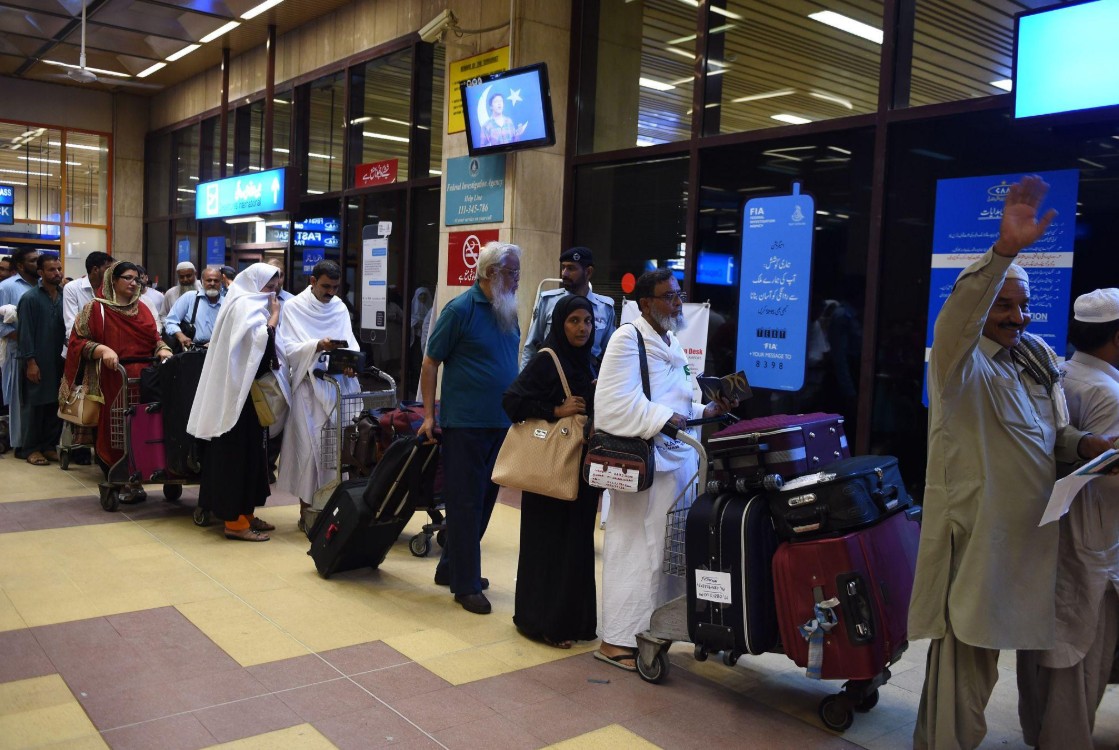
Authorities at Jinnah International Airport have introduced strict health screening measures for international passengers amid growing concerns over the spread of the Ebola virus disease.
The enhanced monitoring operation comes ahead of the expected return of thousands of Hajj pilgrims from Saudi Arabia following Eidul Azha, as health officials move to prevent any potential import of infectious diseases into Pakistan.
Enhanced Airport Screening Begins
According to Sindh health authorities, international passengers arriving in Karachi — particularly travellers from African countries where Ebola outbreaks have been reported — are now undergoing additional medical screening procedures.
Provincial Health Department focal person at Karachi airport, Dr Syed Zafar Mehdi, said specialized teams had been deployed to monitor incoming passengers during the Hajj operation.
Thermal Guns and Scanners Deployed
Airport medical teams are using:
- Thermal scanners
- Temperature screening devices
- Thermal guns
- Visual symptom assessments
to identify potentially infected passengers.
Officials said passengers showing symptoms such as:
- High fever
- Skin rashes
- Red spots on the body
- Signs of infectious illness
would immediately be referred for further medical evaluation.
Suspected Cases to Be Isolated
Health authorities confirmed that suspected Ebola patients would be transferred to the Sindh Government Infectious Diseases Hospital located in the NIPA area of Karachi.
Patients identified as high-risk would remain isolated until laboratory test results are completed.
Emergency ambulances have also been stationed at the airport to transport suspected infectious disease cases directly to treatment and isolation facilities.
Airport Staff Receive Specialized Training
Dr Mehdi stated that airport health personnel have received specific training to:
- Recognize Ebola symptoms
- Conduct screening procedures
- Handle suspected infectious disease cases
- Follow emergency response protocols
The Sindh Health Department reportedly finalized emergency preparations after recent international alerts regarding Ebola’s spread.
Hajj Return Flights Raise Health Concerns
The intensified precautions coincide with the large-scale return of Pakistani pilgrims from Saudi Arabia after Hajj.
Officials expect return operations to begin from the third day of Eidul Azha, significantly increasing passenger flow through Karachi airport.
Health authorities say mass international travel can increase the risk of rapid cross-border disease transmission, particularly during religious gatherings involving millions of people from across the world.
WHO Warns Ebola Outbreak Escalating
The latest measures also follow warnings from World Health Organization Director-General Tedros Adhanom Ghebreyesus, who said the current Ebola outbreak had already caused 220 suspected deaths.
Tedros warned global responders were struggling to contain the crisis quickly enough.
“We are urgently scaling up operations, but at the moment the epidemic is outpacing us,” he said.
The WHO has classified the outbreak as a Public Health Emergency of International Concern, increasing pressure on governments worldwide to strengthen surveillance and border health systems.
What Is Ebola Virus Disease?
Ebola virus disease is a severe and often fatal illness that spreads through direct contact with:
- Bodily fluids
- Infected blood
- Contaminated materials
- Infected animals or humans
Symptoms can include:
- Fever
- Fatigue
- Muscle pain
- Vomiting
- Bleeding complications
- Organ failure in severe cases
Ebola outbreaks have historically occurred mainly in parts of Africa, but international travel has periodically raised fears of global spread.
Pakistan Strengthens Preventive Measures
Health experts say Pakistan’s airport monitoring strategy reflects lessons learned from previous global health crises including:
- COVID-19
- Monkeypox outbreaks
- SARS-related scares
Authorities are increasingly prioritizing:
- Early detection
- Isolation capacity
- Passenger monitoring
- Emergency preparedness
Officials say current measures remain precautionary and no Ebola cases have been reported in Pakistan.
Public Health Monitoring Expanding Nationwide
Sindh authorities indicated that additional surveillance measures may also be expanded to:
- Major hospitals
- Border entry points
- Other international airports
The government has emphasized coordination between:
- Airport authorities
- Provincial health departments
- Infectious disease specialists
- Emergency response teams
Regional and Global Travel Risks Remain High
Public health specialists warn that modern international travel networks allow infectious diseases to spread rapidly across continents.
Religious events such as Hajj, which attract millions of pilgrims annually, create additional challenges for global disease surveillance systems.
As countries strengthen airport health protocols, experts stress that early identification and rapid isolation remain among the most effective tools for containing outbreaks before wider community transmission occurs.
Analysis: Pakistan Moves Early to Avoid Public Health Crisis
The decision to launch enhanced Ebola screening at Karachi airport reflects growing awareness among Pakistani authorities about the importance of preventive health security.
While no confirmed Ebola cases have emerged locally, officials appear determined to avoid repeating the delayed responses seen during previous international health emergencies.
The timing is especially significant because:
- Hajj travel increases passenger volume dramatically
- International disease outbreaks remain unpredictable
- Regional healthcare systems remain under pressure
Analysts say Pakistan’s focus on surveillance, isolation readiness, and airport screening signals a broader shift toward more proactive infectious disease management.
However, health experts caution that sustained preparedness, public awareness, and rapid testing capacity will remain essential if the country hopes to effectively manage any future imported health threats.