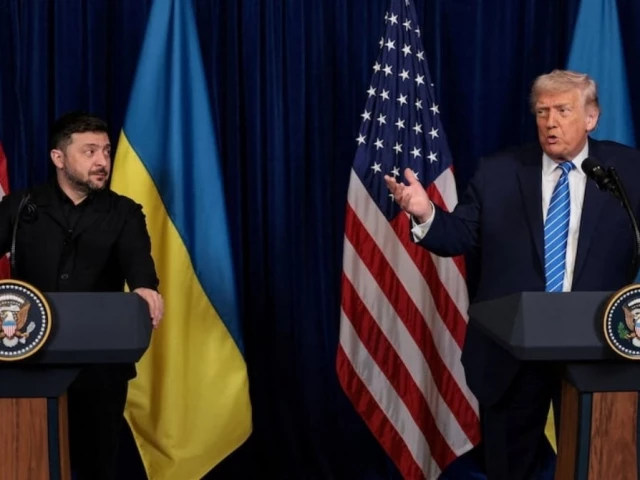
Volodymyr Zelensky has appealed directly to Donald Trump and the US Congress for additional air defence support as Russia intensifies missile threats against Ukraine and escalates its use of ballistic weapons.
In a letter seen by Reuters, Zelensky warned that Russian ballistic missiles remain Moscow’s “last major advantage on the battlefield” and urged Washington to accelerate deliveries of Patriot air defence systems and interceptor missiles.
Zelensky Requests More Patriot Systems
Ukraine’s president said Kyiv was prepared to purchase additional American-made Patriot systems and missile interceptors to strengthen the country’s air defence network.
“I ask for your help in protecting Ukraine’s skies from Russian missiles,” Zelensky wrote.
He stressed that:
- Ukraine urgently needs more Patriot interceptors
- Current delivery timelines are insufficient
- Russian ballistic missile attacks are intensifying
- Air defence shortages threaten civilian safety
Ballistic Missiles Remain Major Threat
Ukraine currently relies heavily on US-made Patriot systems to intercept advanced Russian ballistic missiles.
Throughout the war, Kyiv has repeatedly warned that:
- Interceptor stockpiles are limited
- Russia continues expanding missile attacks
- Civilian infrastructure remains vulnerable
Zelensky said Russia’s missile capabilities continue to undermine diplomatic efforts and prolong the war.
“As long as Russia relies on missiles, its interest in diplomacy is not genuine,” he said.
Russia Launches New Large-Scale Missile Attacks
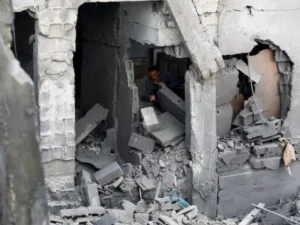
According to Ukrainian officials, Russia recently launched:
- 30 ballistic missiles in a single major strike
Ukraine’s air force reportedly intercepted only:
- 11 of those missiles
Zelensky additionally claimed Moscow used:
- Nuclear-capable Oreshnik intermediate-range ballistic missiles
He said one missile struck the Kyiv region while another reportedly landed in occupied territory in the Donetsk region.
Ukraine Says Air Defence Situation Worsening
Kyiv warned that the ongoing Middle East conflict involving Iran has complicated global missile supply availability and increased competition for advanced defence systems.
Since Trump returned to office, Ukraine has reportedly obtained Patriot interceptors through:
- NATO’s Prioritised Ukraine Requirements List (PURL) initiative
The system is largely financed by European allies, but Zelensky warned the pace of deliveries no longer matches battlefield realities.
“For us, for a nation fighting for its survival, there is hardly anything more painful to see than Patriot batteries with no missiles loaded,” he wrote.
Zelensky Makes Rare Direct Appeal to US Congress
In his nightly video address, Zelensky noted that it is unusual for a foreign leader to simultaneously address both the US president and Congress in a formal appeal.
However, he said the severity of the situation required:
- Immediate action
- Faster military assistance
- Stronger strategic coordination
“It is important that America hears Ukraine,” Zelensky said.
Trump Administration Balancing Pressure and Support
The renewed request places additional pressure on the Trump administration as Washington weighs:
- Military support for Ukraine
- Growing Middle East tensions
- Domestic political debates over foreign aid
- Expanding global security commitments
President Trump has repeatedly stated he wants to end the Ukraine war through negotiations while also maintaining pressure on Russia.
However, divisions remain inside Washington regarding:
- Long-term military aid
- Defence spending priorities
- America’s global strategic commitments
Patriot Systems Critical to Ukraine’s Defence
The MIM-104 Patriot remains one of the few systems capable of intercepting advanced Russian ballistic missiles.
Ukraine has used Patriots to defend:
- Kyiv
- Strategic infrastructure
- Energy facilities
- Military installations
But missile shortages continue limiting effectiveness against sustained Russian attacks.
Russia Intensifies Pressure Ahead of Potential Talks
Analysts say Moscow’s increasing reliance on ballistic missile strikes may be intended to:
- Exhaust Ukrainian air defences
- Increase pressure on civilians
- Strengthen leverage before negotiations
- Undermine morale
The war is now well into its fifth year, with both sides facing mounting economic and military pressures.
Global Security Concerns Continue Growing
The Ukraine conflict remains one of the world’s most significant geopolitical crises, with consequences including:
- Global energy disruption
- Food supply instability
- NATO-Russia tensions
- Expanding military spending worldwide
The growing overlap between:
- The Ukraine war
- Middle East instability
- Global defence supply shortages
has also complicated international military planning.
Europe Faces Pressure to Increase Support
European allies continue financing significant portions of Ukraine’s defence requirements.
However, military analysts warn that:
- Interceptor production remains limited
- Air defence demand is increasing globally
- Western stockpiles face strain from multiple crises
This has heightened urgency around coordinated defence manufacturing and supply strategies.
Analysis: Ukraine Signals Growing Concern Over Air Defence Capacity
Zelensky’s unusually direct appeal reflects growing anxiety inside Kyiv over Ukraine’s long-term ability to defend itself against increasingly sophisticated Russian missile attacks.
The request also highlights how global conflicts are becoming interconnected:
- Middle East instability affects defence supply chains
- NATO resources face simultaneous pressure
- Strategic priorities are increasingly competing
For Ukraine, maintaining air defence capability is now central not only to military survival but also to preserving civilian infrastructure and public morale.
For Washington, the challenge lies in balancing:
- Support for Ukraine
- Gulf security commitments
- Domestic political divisions
- Strategic competition with China and Russia
Analysts say the coming months could prove critical in determining whether Ukraine can sustain effective missile defence coverage as Russia continues escalating long-range strike operations.